Entertainment news and discussion on TalkFuse.
How to get sulfur in Palworld
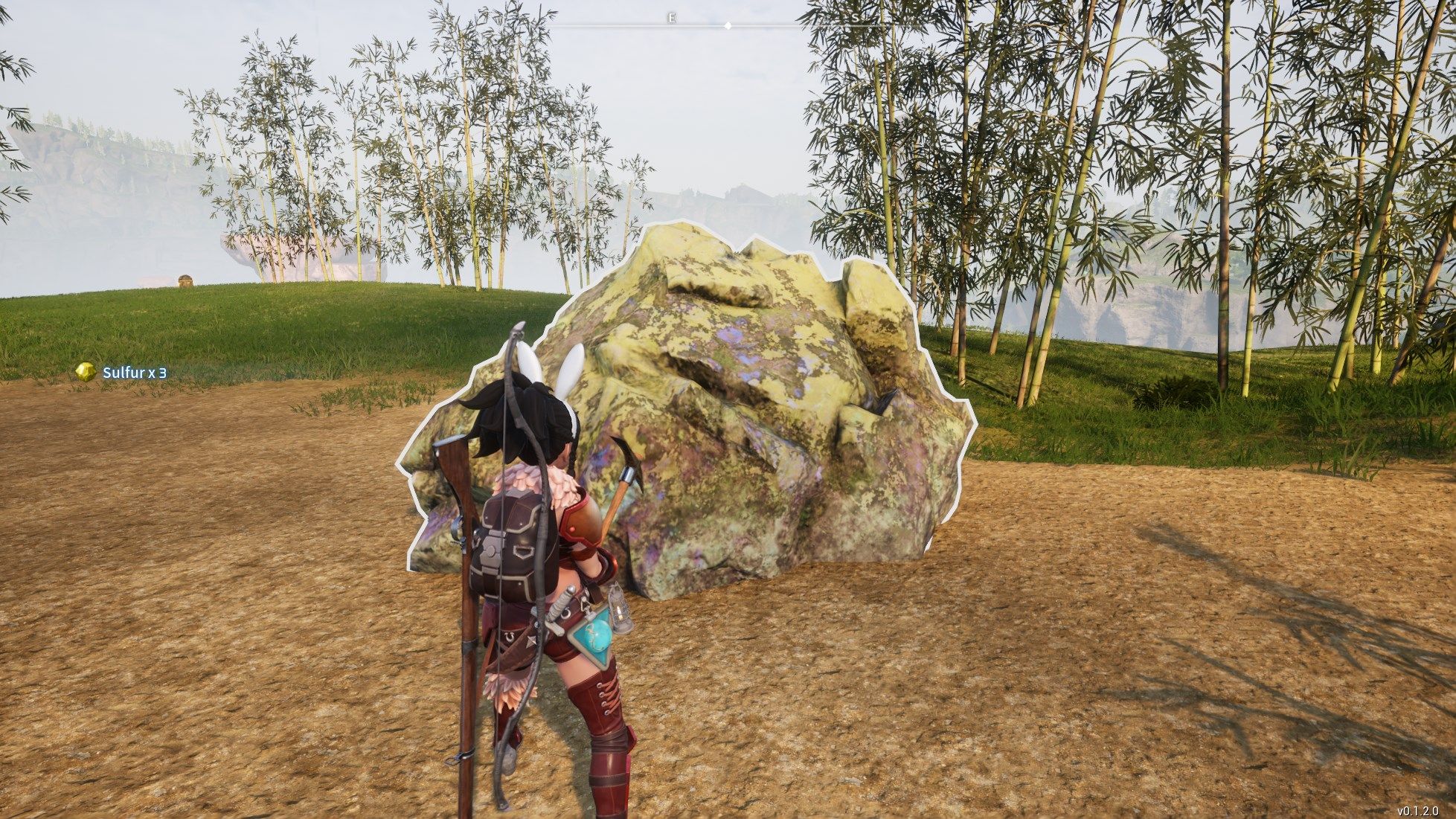
Palworld players need sulfur to craft gunpowder and ammunition, but the resource can only be gathered from specific mining nodes until players reach a high enough level to automate its production. Knowing the exact locations of these deposits saves time, since sulfur is concentrated in only two accessible early-game areas rather than being scattered across the whole map.
The guide, updated for Palworld's 1.0 release, pinpoints sulfur nodes in the desert's Anubis Dunes and the bamboo grove to its west, giving precise map coordinates for around eight easily reachable deposits. Any pickaxe can mine it, though a metal pickaxe speeds things up, and Pals like Cattiva help by boosting carrying capacity. Once a player hits level 46, they can unlock a placeable mining site (costing five ancient technology points plus various materials, including 100 sulfur) that then yields an unlimited supply automatically; further deposits also exist in the more dangerous Mount Obsidian volcano region for later-game farming.
In short
- Palworld guide lists sulfur deposit locations for crafting gunpowder and ammo.
- Best early nodes are in Anubis Dunes and the bamboo grove.
- Level 46 unlocks a placeable site for unlimited sulfur mining.
Explained simply
Palworld is a video game where players collect creatures and manage resources to progress. Sulphur is one of the key resources in the game, needed to craft gunpowder and ammunition that are essential for gameplay.
Players need significant quantities of sulphur throughout the game, but early on it must be gathered manually from mining sites. The resource is concentrated in just two areas of the game map—the desert's Anubis Dunes and an adjacent bamboo grove—rather than scattered across the entire world, which makes gathering it more efficient.
Once players reach a certain level of progression, they can build an automated mining facility that produces sulphur continuously. This is important because the game requires large, ongoing quantities of the resource, and automation eventually replaces the need for manual gathering.