Science news and discussion on TalkFuse.
How to see July’s full Buck Moon as it rises in the night sky
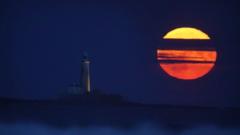
The UK will see July's full Moon, known as the Buck Moon, light up the night sky this week, peaking at 15:36 BST on 29 July. Although the exact moment of full illumination will occur while the Moon is below the horizon for UK observers, it will still appear full to the naked eye overnight on Tuesday and Wednesday, offering skygazers a good viewing opportunity.
The Moon takes its name from the time of year when male deer, or bucks, grow new antlers, and is also called the Thunder Moon or Hay Moon after other seasonal associations. Forecasts suggest clear skies for much of central, southern and eastern England, while Scotland, Wales and Northern Ireland may see more cloud, particularly in western Scotland. It is the second of three full Moons this summer, with further sky events to follow, including the Perseid meteor shower peaking on 12-13 August, a total solar eclipse over parts of Spain and Portugal on 12 August (partial in the UK), and a partial lunar eclipse on 28 August.
In short
- Buck Moon peaks 15:36 BST on 29 July, visible overnight Tue-Wed
- England likely to have clearest skies; Scotland may see more cloud
- Perseid meteor shower and solar eclipse follow in August
Explained simply
The full Moon appearing in July carries a traditional name: the Buck Moon, given because it rises when male deer grow their new antlers. Each month's full Moon has its own folk name, a practice dating back centuries, connecting the lunar cycle to natural events happening on Earth. These names helped people track the seasons and understand the rhythm of the natural world around them.
The Buck Moon is also known as the Thunder Moon or the Hay Moon, each name reflecting different seasonal characteristics of July. These alternative names show how different aspects of summer—from weather patterns to farming activities to animal behaviour—were all linked to the same lunar event. The variety of names demonstrates how intimately connected people once were to natural cycles.
Full Moons occur roughly once each month when the Moon is positioned opposite the Sun in its orbit around Earth, creating full illumination of the side facing our planet. This regular and predictable event means full Moons can be observed from anywhere on Earth with clear skies and without any special equipment. Throughout history, cultures have marked these moments as significant points in their yearly calendar.