Health news and discussion on TalkFuse.
How to train your brain to embrace exercise and stick to a fitness routine
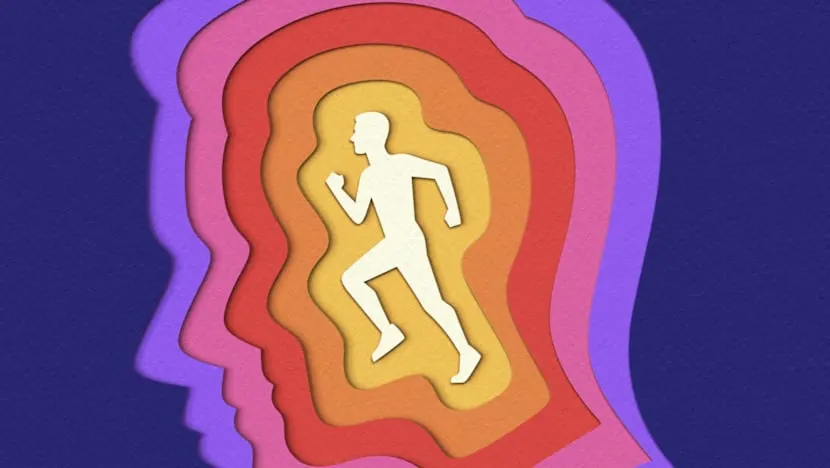
Psychologists say how people think about exercise can influence whether they keep it up: seeing movement as enjoyable or welcome may make it easier to attend sessions than focusing only on health recommendations. The research suggests that feeling capable and identifying as an active person can also support other healthy behaviours.
A 2021 study found that people encouraged to focus on fun, relaxation and social connection were less likely to skip exercise classes. In a 2023 study of 162 moderately active adults, participants whose trackers understated their steps by 40 per cent reported worse self-esteem and mental health, and showed poorer health measures and diet after five weeks; those given accurate or inflated counts reported or showed improvements. Experts suggest building an exercise identity through active friends or groups and making activity easier to start, for example by laying out workout clothes in advance.
In short
- A positive view of exercise may help people stick with it.
- Understated step counts were linked to poorer wellbeing.
- Social support and simple routines can encourage activity.
Explained simply
Exercise is physical activity such as walking, running or taking a class. People may take it up for many reasons, including enjoyment, social contact or health, but keeping a routine can be difficult when getting started feels like a chore.
Psychologists study how people’s thoughts and expectations about exercise relate to their habits. Feeling capable and seeing activity as part of who you are may help people keep moving and can be linked with other healthy behaviours.
Researchers have also examined how feedback, such as step counts from a fitness tracker, affects people’s confidence and wellbeing. Friends, groups and simple preparations can make activity easier to begin, while individual experiences vary.