Politics news and discussion on TalkFuse.
How Trump and Republicans lost the 2026 midterm elections, according to AP Voter Poll
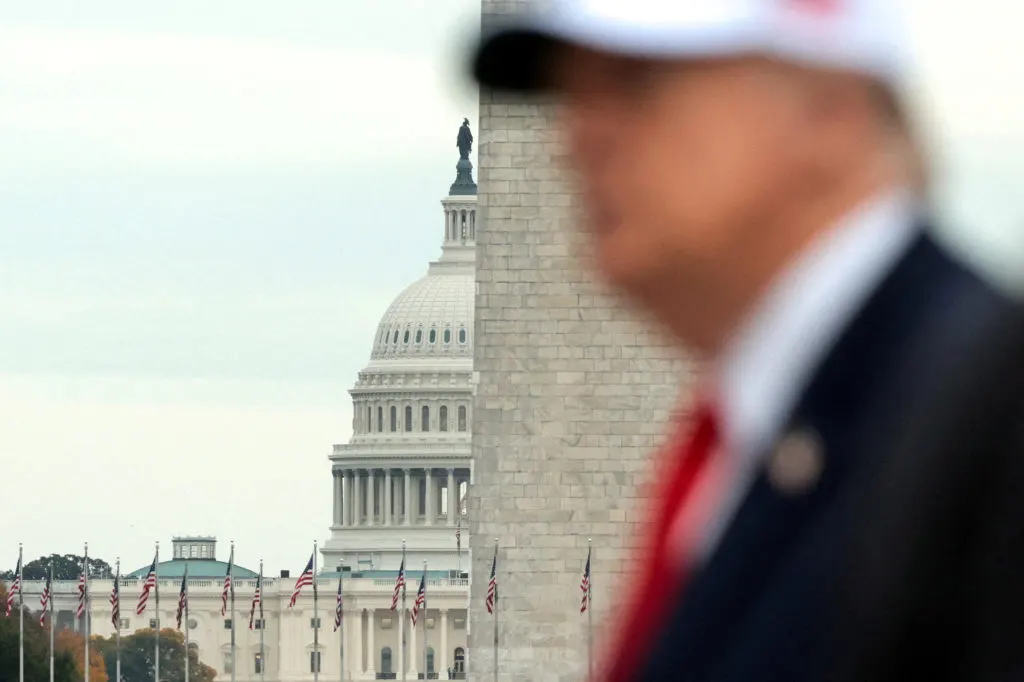
The AP Voter Poll suggests that voter frustration with Donald Trump and the rising cost of living contributed to Republican losses in the 2026 midterm elections. Many voters felt Trump had failed to deliver on his promise to lower prices and focused more on his own interests than theirs, while his endorsements also put forward candidates who struggled.
About six in ten voters said they were very concerned about everyday costs, and roughly two-thirds said Trump’s policies had made the economy worse; about eight in ten of that group voted for a Democratic candidate. In Texas, around two in ten voters said inflation caused severe hardship, and most backed James Talarico for Senate. The poll also found that about seven in ten voters thought Congress was not doing enough to check the president, while Democrats retained only a relatively slim advantage on key issues.
In short
- Cost-of-living pressures helped Democrats win votes.
- Many voters blamed Trump’s policies for worsening the economy.
- Voters expect Congress to check presidential power.
Steelman: both sides, in good faith
The strongest fair case each way — we don't pick a winner.
The case for
The results can be read as a judgement that Republicans failed to meet voters’ expectations on affordability and presidential accountability. When many voters said costs were a serious concern and believed Trump’s policies had worsened the economy, it was reasonable for them to favour candidates promising a different approach; struggling Republican nominees may also have reflected doubts about the quality of Trump’s endorsements.
The case against
The poll records voters’ perceptions and associations, but does not by itself establish that Trump’s policies caused economic hardship or that frustration with him drove the losses. Republicans could argue that high costs have multiple causes, that voters may weigh other issues or local candidates differently, and that Democrats’ slim advantage on key issues suggests no broad endorsement of their programme.
Explained simply
Midterm elections take place halfway through a US president’s four-year term. Voters choose members of Congress and, in some states, governors and other officials; these contests can affect how easily a president advances policies.
Donald Trump is a Republican, and his party’s candidates included people he had endorsed. Democrats are the main opposing party. The AP Voter Poll asked voters about their views and choices, including the cost of living and the president’s economic policies.
Everyday costs such as food, housing and energy can shape how voters judge the economy and the party in power. Congress also writes laws and can scrutinise the president, so voters’ views of its role help explain the stakes of midterm elections.