Entertainment news and discussion on TalkFuse.
How U2 dismantled everything they held sacred and saved their career with the fearless, futuristic Achtung Baby
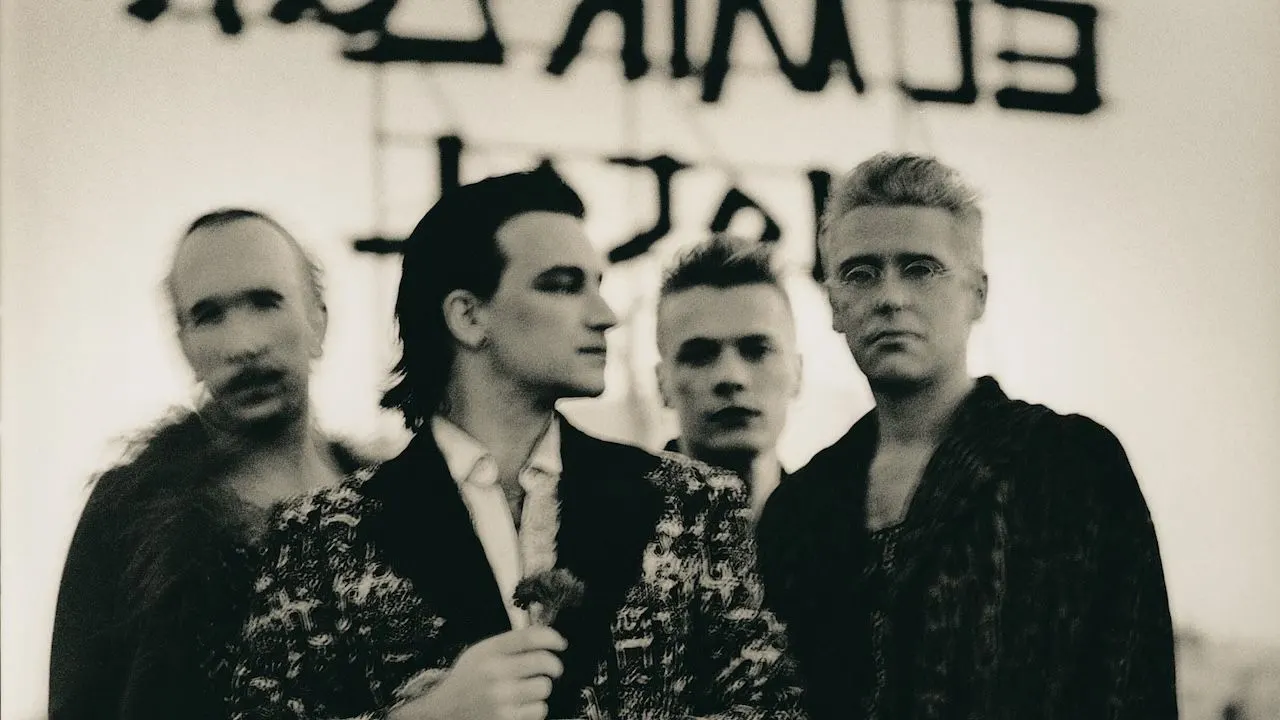
After the grand, roots-oriented image of The Joshua Tree era left U2 feeling creatively spent, the band reinvented its sound and identity to keep its career alive. Their 1991 album *Achtung Baby* embraced electronic beats, industrial textures and alternative rock, deliberately challenging what listeners expected from U2.
The change began with tense, unproductive sessions at Berlin’s Hansa studio in 1990, during the reunification of East and West Germany, and gained momentum after The Edge developed the chords for “One”. Producer Brian Eno later joined the band in Ireland, where songs including “Zoo Station” and “The Fly” took shape. Released on 18 November 1991, the album followed the band’s 25-million-selling *The Joshua Tree* and arrived amid acclaimed records by artists including Nirvana and Metallica.
In short
- U2 rebuilt their sound and image with *Achtung Baby*.
- Berlin sessions began amid tension and creative uncertainty.
- The album was released on 18 November 1991.
Explained simply
U2 are an Irish rock band whose late-1980s success was closely associated with The Joshua Tree, an album built around a broad, roots-influenced rock sound. After that period, the band faced the challenge of finding a new musical direction while meeting expectations shaped by their earlier work.
Achtung Baby marked a shift towards electronic sounds, industrial textures and alternative rock. The band worked with producer Brian Eno, and the album’s songs developed through sessions in Berlin and Ireland. Its reinvention matters because it showed how an established band could change its sound and public image while continuing its career.