HPE storage reuses AI inference cache to speed multi-agent workloads
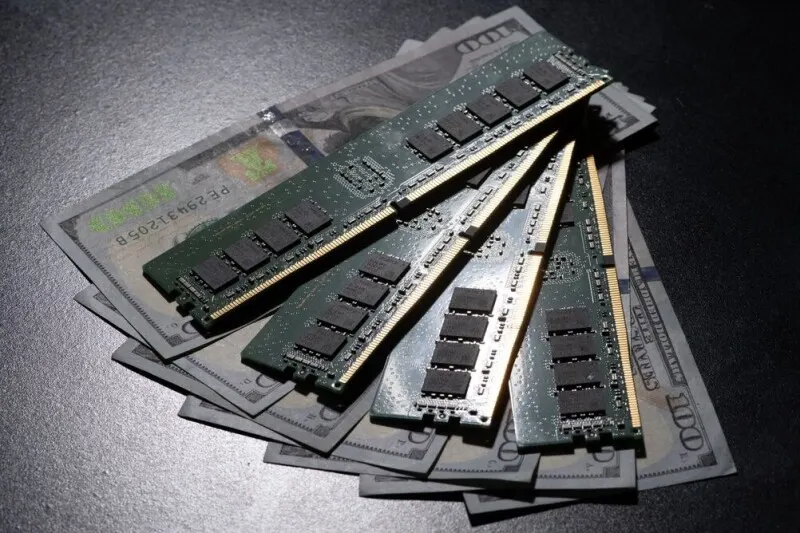
HPE is positioning its Alletra MP X10000 storage system as a way to retain AI inference cache that would otherwise be removed from scarce GPU memory. Reusing this stored state can reduce repeated calculations, potentially cutting response times and improving accelerator use in multi-agent workloads.
In testing validated by Kamiwaza, using NVIDIA H200 GPUs and the Nemotron 70B model with more than 30 concurrent agents, cache offload delivered up to 20 times faster time to first token and 17 times higher effective inference throughput than running without it. The gains depend on factors such as context length, concurrency, cache hit rates and data transfer overhead, so they are not guaranteed for every workload.
In short
- HPE storage can retain AI inference cache outside GPU memory.
- A Kamiwaza-validated test reported up to 20 times faster first tokens.
- Results depend on workload and cache reuse.
Steelman: both sides, in good faith
The strongest fair case each way — we don't pick a winner.
The case for
Moving inference cache to storage could help multi-agent systems retain useful state when GPU memory is scarce, avoiding repeated calculations and making accelerators more productive. The reported tests show substantial gains in a demanding setup, and even workload-dependent improvements could make larger or more responsive deployments practical.
The case against
The results come from a specific test configuration, and the benefits depend on cache hits, context length, concurrency and transfer overhead; other workloads may see smaller gains or none. Storing and retrieving cache also adds system complexity and resource demands, so teams would need broader comparisons to establish whether it improves overall performance and cost in their own deployments.
Read the full article at the source →
Originally published by The Register as “HPE puts storage to work on AI’s expensive memory problem”.