World news and discussion on TalkFuse.
Lawmakers press ahead with Nvidia hearings after Huang’s reinstatement raises concerns
Developed over time first seen 1 day ago
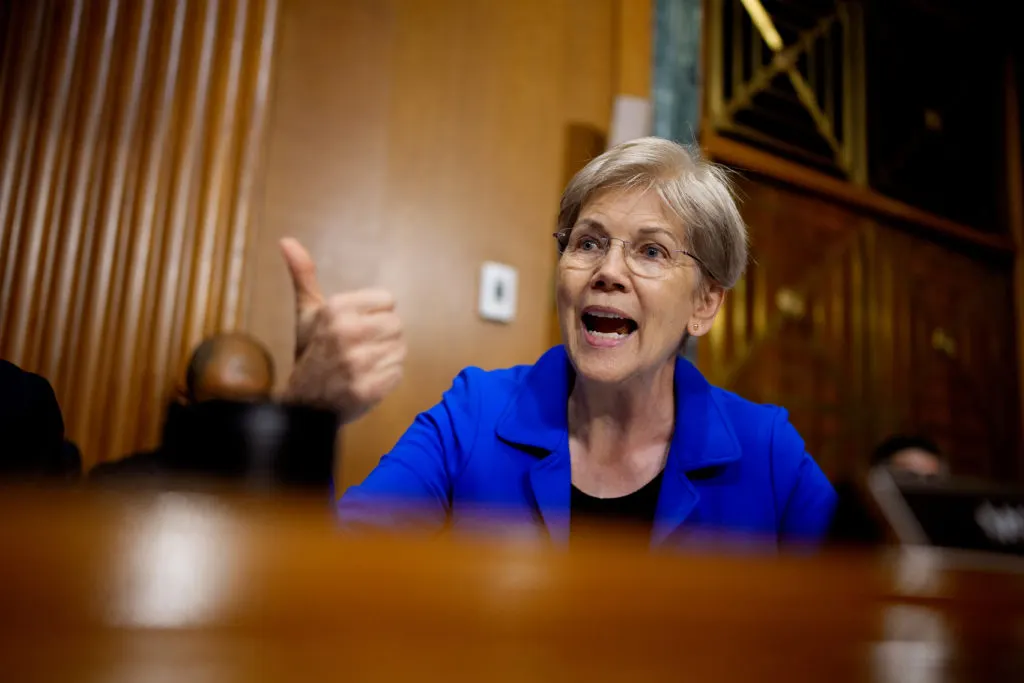
Nvidia’s board reinstated chief executive Jensen Huang after President Donald Trump said it had done what his administration wanted. The decision prompted bipartisan concern in Congress about Trump’s influence over the company and possible national security risks, as lawmakers press ahead with hearings and investigations.
Senator Tim Scott said Huang would testify publicly before the Senate Banking Committee on 3 December, and Huang was also expected to be interviewed by three House committees. Lawmakers are examining whether Nvidia chips reached China in breach of US export controls; senators cited reports of approvals for hundreds of thousands of advanced AI chips, including for companies linked to China’s military. The scrutiny follows Huang’s acknowledged relationship with a Chinese businesswoman whom US officials suspected of spying.
- Sources
- 3
- Outlets
- 3
- Left · Centre · Right
- 0 · 3 · 0
In short
- Congress questioned Trump’s role in Huang’s reinstatement.
- Huang was due to face Senate and House questioning.
- Lawmakers are investigating Nvidia chip exports to China.
How this story developed
- 17 hours ago Lawmakers from both parties sharpened their questions about Trump’s role in the board’s decision, as scrutiny continued over reported approvals for hundreds of thousands of advanced Nvidia chips for China, including companies linked to its military.
- 23 hours ago Senator Tim Scott announced that Huang would give public evidence to the Senate Banking Committee on 3 December, while three House committees were also expected to interview him the following week.
- 23 hours ago Nvidia’s board reinstated chief executive Jensen Huang after President Donald Trump said it had met his administration’s wishes, prompting bipartisan concern about political influence and national security as Congress pursued hearings and investigations.
Full account
Jensen Huang’s return as Nvidia chief executive has prompted a bipartisan push in Congress for answers about the company’s dealings with China and the Trump administration’s part in the board’s decision. President Donald Trump said he had pressed the board to reinstate Huang, and later said the US government had no evidence that Huang had acted unlawfully. Lawmakers from both parties said those assurances did not resolve their concerns.
The Senate Banking Committee’s Republican chairman, Tim Scott, said Huang would give public testimony on 3 December. He is also expected to take part in a closed-door interview on 1 December with three House committees, according to the reports. Lawmakers said the reinstatement would not cancel those appearances. They want to examine Nvidia’s compliance with US export controls and whether advanced AI chips have reached China in breach of restrictions.
Some lawmakers focused on Huang’s reported ties to a Chinese businesswoman whom US officials have suspected of being a spy. Members of Congress said it remained unclear whether the relationship posed a national security risk. They also questioned why Trump intervened in the board’s decision and what role administration officials played. Several called for a briefing or further investigation, while Democratic lawmakers said they would seek scrutiny of officials, including Commerce Secretary Howard Lutnick, who has ties to Nvidia.
The dispute is feeding debate over legislation to limit China’s access to advanced computing technology. Senator Tom Cotton urged passage of the Chip Security Act, which would require chipmakers to track advanced processors and alert the government if they suspect prohibited users have obtained them. Senator Pete Ricketts backed the Match Act, which would press US allies to restrict sales and servicing of chipmaking equipment bound for China. Senator Elizabeth Warren argued that Huang’s return made it more urgent to pass export control measures and said Nvidia should answer questions about its compliance.
The reports describe different strands of the congressional response. The Associated Press emphasises the coming leadership changes in Congress and investigations into the administration, alongside Huang’s testimony and House interview. The second report gives more detail on the proposed Chip Security and Match Acts and their potential effects on chipmakers and equipment suppliers. CNBC’s account highlights criticism of the White House’s national security assurances, including calls for a prompt briefing and concerns that the president’s involvement could create an appearance of improper influence. Across the reports, lawmakers’ criticism spans both parties, though Democrats are especially focused on the administration’s role and Republicans are also pressing for hearings, briefings and tighter controls on technology exports.
Where outlets differ
From the full account, which is AI-written from the sources:
The Associated Press says Huang is expected to sit for an interview with three House committees next week; the second report gives the date as 1 December and describes it as a closed-door interview.
The Associated Press foregrounds incoming Democratic control of Congress and scrutiny of Commerce Secretary Howard Lutnick. The second report centres on the details and implications of two bills, while CNBC stresses lawmakers’ objections to the White House’s assurances and the president’s involvement.
The reports attribute different proposals to lawmakers: Cotton’s Chip Security Act would track advanced processors and flag suspected diversions, while Ricketts’s Match Act targets allied countries’ sales and maintenance of chipmaking equipment destined for China.
Steelman: both sides, in good faith
The strongest fair case each way — we don't pick a winner.
The case for
Congressional hearings are a legitimate way to establish whether export controls were followed and whether national security risks were properly assessed. Given the reported scale and sensitivity of chip approvals, and questions about political influence over a major technology company, public testimony could help lawmakers clarify the facts and strengthen accountability.
The case against
The hearings risk turning unresolved allegations and a reported personal relationship into grounds for suspicion before the evidence is established. Nvidia and its chief executive should be judged on verified conduct, while export-control decisions should be assessed through established processes; politically charged scrutiny could blur those standards and discourage legitimate technology trade.
Explained simply
Nvidia is a US technology company best known for making graphics processors, which are also used to power artificial intelligence systems. Its chief executive, Jensen Huang, leads the company as it sells advanced chips around the world, including to firms in China.
The US restricts exports of some advanced technology to China over concerns about military use and national security. Congress, the part of the US government that makes laws and investigates public matters, can question company leaders and examine whether export rules were followed.
The dispute also touches on how government decisions and personal relationships may affect a major company. Any findings could influence US export policy and the availability of advanced computing chips.
Coverage · 3 sources
Bias meters
From 3 rated sources.
Asia Business Companies Government Politics World
Read the full article at the source →
Originally published by PBS NewsHour as “Huang’s reinstatement at Nvidia sparks fury in Congress as lawmakers move forward with hearings”.