Business news and discussion on TalkFuse.
Huawei convicted of trade secret theft and bank fraud, cleared of racketeering
Developed over time first seen 24 hours ago
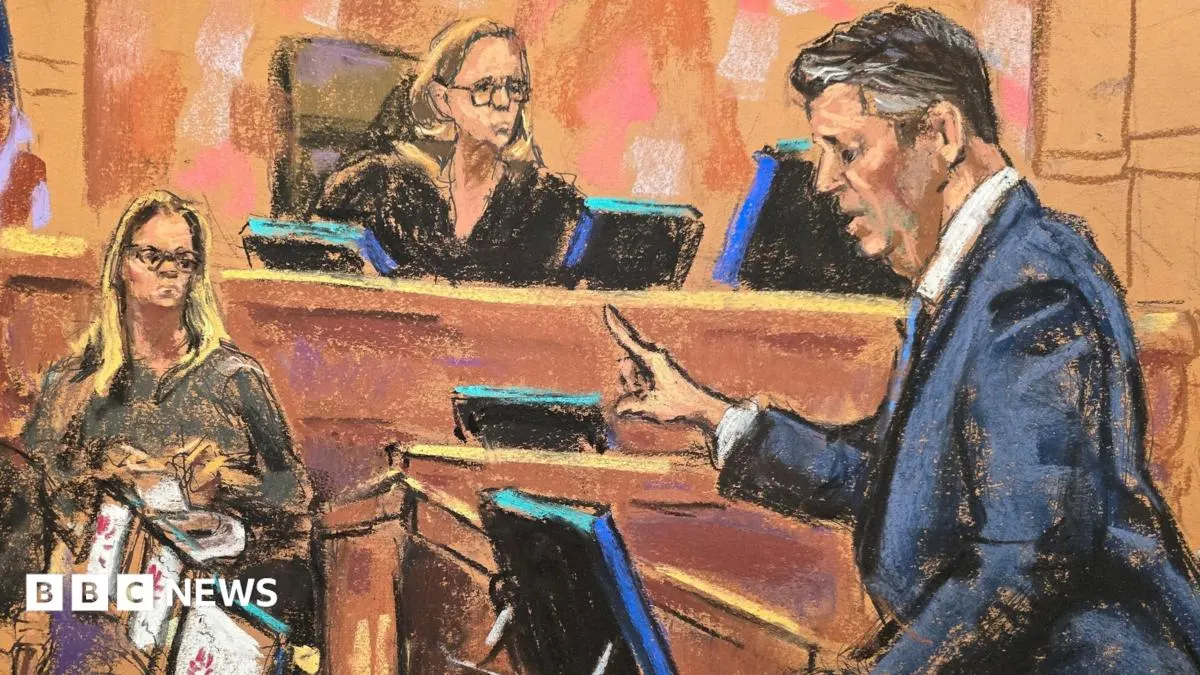
Huawei was convicted in a US court of conspiring to steal trade secrets and committing bank fraud, but jurors rejected the more serious racketeering charge. The split verdict matters because prosecutors alleged the company operated as a criminal enterprise, while Huawei’s defence called that claim an overreach.
The Brooklyn jury found Huawei guilty on 10 of 12 counts, including conspiracy to violate US sanctions, after a two-month trial. Prosecutors said the company misled banks about its business in Iran and stole rivals’ technology; Huawei argued its growth came from innovation and hard work. Charges were announced in 2019, following executive Meng Wanzhou’s arrest in Canada in 2018. Sentencing is planned for September 2027, and Huawei expects to appeal.
- Sources
- 3
- Outlets
- 3
- Left · Centre · Right
- 0 · 1 · 1
In short
- Huawei was convicted on 10 of 12 counts.
- Jurors rejected the racketeering charge.
- Sentencing is planned for September 2027.
How this story developed
- 16 hours ago No further change was reported: the Brooklyn jury’s split verdict and the planned 2027 sentencing remained the latest developments.
- 17 hours ago The verdict also included convictions on 10 of 12 counts, including conspiracy to violate US sanctions, while sentencing was set for September 2027 and Huawei said it expected to appeal.
- 23 hours ago Huawei was found guilty in a landmark US trial of conspiring to steal trade secrets and commit bank fraud, but jurors acquitted it of racketeering conspiracy.
Full account
Huawei has been convicted on 10 of 12 counts in a US federal case involving allegations of trade-secret theft, fraud and sanctions evasion, while jurors rejected the more sweeping accusation that the company operated as a racketeering enterprise. The verdict followed a trial in Brooklyn lasting about 11 weeks, or two months, according to the different accounts.
Prosecutors argued that Huawei had repeatedly used deception and stolen technology to strengthen its position, including concealing business connected to Iran from banks and taking information from rival firms. The allegations included the theft of Cisco router code and Quintel antenna technology, as well as an attempt to obtain a circuit board developed by CNEX. The BBC account foregrounded the prosecution’s claim of a long-running pattern of misconduct; the second report supplied more detail about the companies and technology named in the case.
Huawei’s defence said the firm grew through its own work and innovation, and challenged the prosecution’s portrayal of it as a criminal organisation. After the verdict, defence lawyer Brian Heberlig described the racketeering charge as an overreach and said the company was pleased the jury had rejected it. Huawei said the acquittal supported its position that the allegations lacked a factual basis, while expressing disappointment with the other findings. The company is expected to pursue an appeal, and sentencing is scheduled for September 2027.
The case began after senior Huawei executive Meng Wanzhou was detained in Canada in 2018. She remained there for three years before reaching an agreement with US prosecutors that allowed her to return to China; the US prosecution of Huawei continued. The reports describe the outcome differently in emphasis: both stress the racketeering acquittal, while the second also highlights the guilty verdicts and says Huawei was acquitted of obstructing justice. It further says a substantial financial penalty has been set, whereas the BBC account focuses on the forthcoming sentencing and appeal.
Where outlets differ
From the full account, which is AI-written from the sources:
Source 1 says the trial lasted two months; Source 2 describes it as 11 weeks.
Source 1 says the jury convicted Huawei of conspiracy to violate US sanctions and bank fraud, among other counts. Source 2 lists conspiracy to steal trade secrets, defrauding the US, bank fraud and evading Iran sanctions, and additionally reports an acquittal on obstruction of justice.
Source 1 reports sentencing is planned for September 2027 and quotes the defence expecting an appeal. Source 2 says a heavy financial penalty has been set but does not give a sentencing date.
Source 1 centres the prosecution and defence arguments and Huawei’s response to the racketeering acquittal. Source 2 adds specific alleged technology thefts, witness numbers, and comments on Huawei’s US market restrictions and business in China.
Centre outlets 1
Only here: convicted, secret, theft, cleared, racketeering
Right-leaning outlets 1
Only here: chinese, telecom, giant, found, guilty
Every side used: huawei, trade, bank, fraud
Headline columns compared word for word; nothing in them is AI-written.
Steelman: both sides, in good faith
The strongest fair case each way — we don't pick a winner.
The case for
Prosecutors’ case is that Huawei used deceptive banking practices and unlawfully obtained rivals’ technology, giving it an unfair advantage and undermining sanctions that banks were expected to enforce. On this view, the guilty verdicts show that a company’s scale and global reach do not excuse conduct that can damage competitors and public trust.
The case against
Huawei’s strongest case is that its global operations and large workforce reflect genuine innovation, and that prosecutors’ accusations should not be allowed to turn commercial success into evidence of criminality. The jury’s acquittal on the racketeering conspiracy charge also supports caution about portraying Huawei as a criminal enterprise, while the company can argue that the remaining convictions do not establish that its rise depended on stolen technology.
Explained simply
Huawei is a Chinese technology company that makes telecommunications equipment and consumer devices, and operates in many countries. The US case focused on accusations that it took technology from rival firms and misled banks about business linked to Iran, where US sanctions restrict certain dealings.
The case also grew out of wider US concerns about Huawei’s activities and compliance with sanctions. Senior executive Meng Wanzhou was arrested in Canada in 2018 at the request of US authorities; she was released three years later under an agreement with US prosecutors. The case matters because it touches on how companies compete, how sanctions are enforced and the strained economic relationship between the US and China.
Coverage · 3 sources
Bias meters
From 2 rated sources, 1 unrated.
Read the full article at the source →
Originally published by BBC Business as “Huawei found guilty of stealing trade secrets but acquitted of racketeering”.