Science news and discussion on TalkFuse.
Huge fly-tip grew undetected over several months
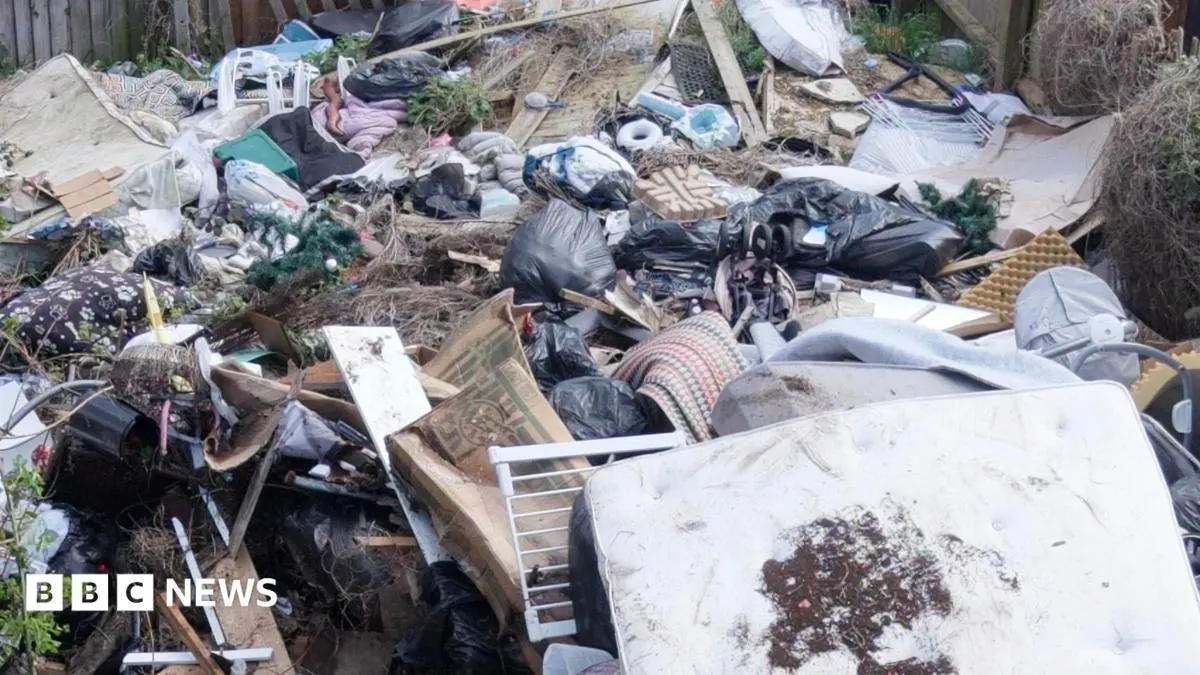
Two people in South Wigston dumped household rubbish over garden fences on business-owned land for several months, creating a 20-tonne fly-tip. The waste went undetected because its location meant the business’s employees could not readily see it; the case highlights how fly-tipping can persist and leave others to bear the cost of clearing it.
After gathering evidence with the business, Oadby and Wigston Borough Council issued each of the two offenders a £600 fixed penalty notice, and cautioned a third person. The council also fined a resident £600 after their rubbish was found in a lay-by off Gartree Road in Oadby: the resident had paid a rogue operator to remove it, but the council said people remain responsible for ensuring their waste goes to a licensed operator.
In short
- A fly-tip in South Wigston reached 20 tonnes over several months.
- Two people each received a £600 penalty.
- Residents remain responsible for checking waste operators are licensed.
Explained simply
Fly-tipping is the illegal dumping of rubbish, often on land that is not meant for waste disposal. Clearing it can be costly, and the expense may fall on the landowner or local council.
Oadby and Wigston Borough Council is the local authority responsible for dealing with waste offences in the area. People who pay someone to take away their rubbish still need to check that the operator is licensed, as they may be held responsible if it is dumped illegally.
Businesses can also face practical difficulties spotting rubbish on parts of their land that staff do not regularly see. This can allow dumped waste to build up before anyone discovers it.