Huge queues form for petrol in Tehran after US announced ‘economic asphyxiation’ sanctions on Iran
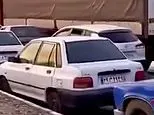
Long queues formed at petrol stations in Tehran on Tuesday after the United States unveiled a fresh wave of sanctions aimed at forcing Iran into submission amid a war that has stalled militarily six months in. US Treasury Secretary Scott Bessent announced the measures, describing them as a campaign of "economic asphyxiation" designed to "sever every economic lifeline" sustaining the Iranian government, with Washington also pressing other countries to cut ties with Tehran or risk being isolated themselves.
The new sanctions target Iran's digital assets, technology, gold, aviation and shipping sectors, alongside 60 individuals, companies and vessels accused of helping Iran generate oil revenue, procure weapons and conduct cyber operations, hitting entities as far afield as the UAE, Hong Kong, China, Singapore and Europe. China, a major buyer of Iranian oil, said it opposed the move and vowed to protect its interests, while Tehran dismissed the threat, predicting "another defeat" for Washington. The pressure comes as Iran, already suffering high inflation and unrest after a deadly government crackdown on protests earlier in the year, faces renewed fears of fresh demonstrations, with US President Donald Trump separately condemning recent executions linked to the protests as a "humanitarian crisis."
- US imposes sweeping new sanctions to economically pressure Iran amid stalled war
- Long petrol queues formed in Tehran as residents brace for impact
- China opposes sanctions; Iran predicts US will suffer "another defeat"
New here? Start with this
The sanctions are US restrictions on people, companies and industries accused of helping Iran earn money, obtain weapons or carry out cyber operations. They can limit access to US financial systems and make it harder for businesses in other countries to deal with Iran.
Iran’s government is led by the country’s supreme leader, while its elected president and officials manage many day-to-day affairs. The United States has imposed sanctions on Iran for years over disputes including its nuclear programme and regional activities; Iran rejects the pressure, and China, a major buyer of Iranian oil, opposes the latest measures.
The restrictions matter because Iran’s economy is already under strain from high inflation and political unrest. They may affect trade and daily life, while also adding to tensions between Washington and Tehran and testing the willingness of other countries to keep doing business with Iran.
Both sides, in good faith
The strongest fair case each way — we don't pick a winner.
The case for
Supporters of the sanctions argue they represent necessary economic pressure to compel the Iranian government to abandon regional destabilisation, nuclear proliferation, and support for militant groups without military escalation. They contend that diplomatic engagement has repeatedly failed to achieve results, that the Iranian government bears responsibility for civilian suffering through its policy choices, and that strong measures are required when other approaches have been exhausted.
The case against
Opponents of the sanctions argue that deliberately targeting an economy's every economic lifeline constitutes collective punishment of civilians who exercise no control over government policy. They contend that comprehensive economic sanctions cause demonstrable humanitarian suffering—fuel shortages, inflation—whilst historical evidence suggests such measures rarely change authoritarian government behaviour, and that sustained diplomatic and negotiated engagement would better serve both regional stability and human welfare.