Technology news and discussion on TalkFuse.
Cambridge Dictionary selects ‘human’ as its 2026 word of the year
Developing story first seen 5 hours ago
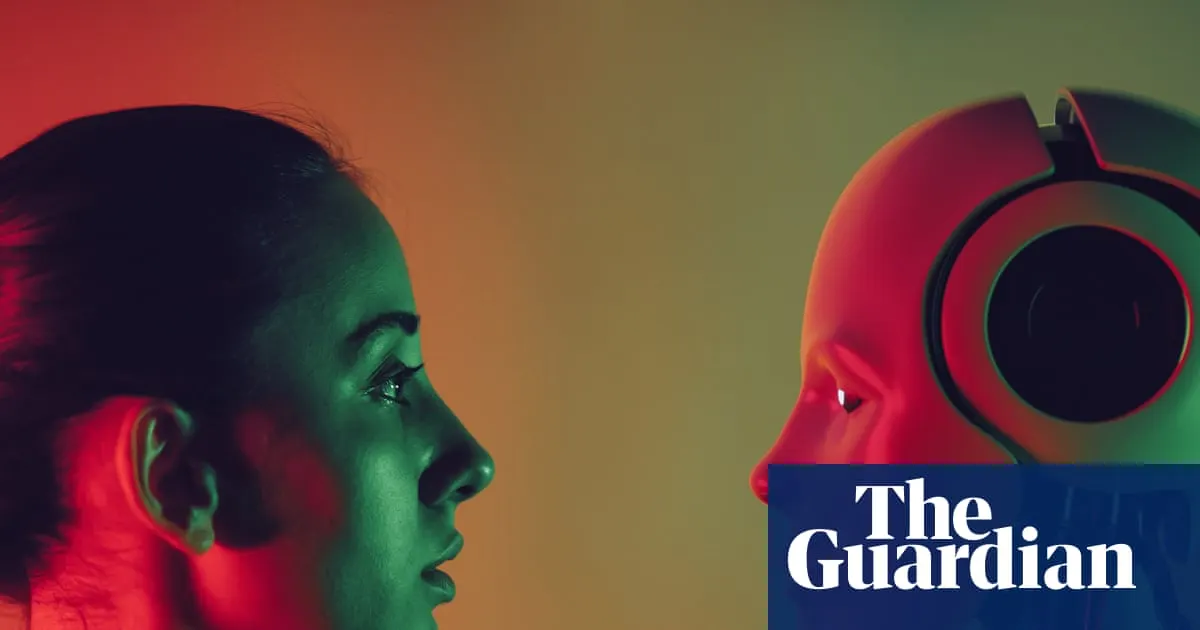
Cambridge Dictionary has named “human” its word of the year for 2026, reflecting how artificial intelligence is prompting fresh debate about what distinguishes people from machines. The dictionary says the word’s meaning and use have become more important as chatbots and other AI systems change how people think and talk about human qualities.
It defines “human” as having people’s qualities, faults and feelings, as opposed to those of gods, animals or machines. Editor Colin McIntosh said terms such as “human-made” increasingly distinguish people’s work from AI, while Cambridge academic Rachel Adams said the question of what it means to be human remains unsettled. Shortlisted words included the AI-related “agent” and “analogues”, as well as “wholesome”.
- Sources
- 3
- Outlets
- 3
- Left · Centre · Right
- 1 · 1 · 1
In short
- Cambridge Dictionary chose “human” as its 2026 word of the year.
- AI has sharpened debate about what makes people distinct.
- “Agent”, “analogues” and “wholesome” were also shortlisted.
How this story developed
- 2 hours ago The update adds that “looksmaxxing” and “aura farming” have joined the dictionary, while “agent”, “analogues” and “wholesome” were shortlisted alongside “human”.
- 2 hours ago Cambridge Dictionary named “human” its 2026 word of the year, citing debate over what separates people from machines as AI becomes more prominent.
Full account
Cambridge Dictionary has selected ‘human’ as its 2026 word of the year, pointing to renewed debate about what distinguishes people from increasingly capable artificial intelligence. The dictionary defines the adjective as having the qualities, faults and feelings associated with people, in contrast with gods, animals or machines. Its editors say the term has taken on added importance as chatbots and other AI systems become part of everyday life.
Colin McIntosh, a Cambridge Dictionary editor, said AI was changing how people talk about being human. He linked the choice to concerns about handing over thinking tasks to machines, from work by leading mathematicians to teaching young children. The dictionary also noted more use of compounds such as ‘human-made’ to identify work or qualities produced by people rather than AI.
The choice comes amid wider arguments over whether machines could ever be conscious and how their capacities compare with the human mind. Evolutionary biologist Richard Dawkins has described feeling that an AI system seemed human, while sceptics stress the differences between an evolving brain and a system built by people. Cambridge academic Rachel Adams said questions about human identity have persisted for millennia, even as the answers change. Bill Gates, commenting on the selection, said AI should be judged by how much it improves people’s lives.
Other shortlisted words included ‘agent’, for AI that can make decisions or act with limited human control, and ‘analogue’, referring to things outside digital technology. ‘Wholesome’ was also in contention. The reports place the choice in a run of dictionary selections shaped by AI: Cambridge previously chose ‘hallucinate’, while other recent picks have included ‘AI’, ‘slop’ and ‘vibe coding’. Cambridge’s new dictionary entries also reflect online culture, including ‘looksmaxxing’ and ‘aura farming’.
Where outlets differ
From the full account, which is AI-written from the sources:
The first report gives more attention to the philosophical debate around AI and consciousness, quotes Rachel Adams, and includes ‘wholesome’ among the contenders. The second foregrounds AI anxiety as a cultural backlash, gives the word’s Latin origin and historical use, and includes Bill Gates’s comment and comparisons with other dictionaries’ recent choices.
The reports use slightly different descriptions of ‘analogue’: the first presents it as relating to non-digital activities, while the second describes objects or experiences that do not involve the internet or digital technology. They also vary in how they describe ‘agent’, with the second stressing decision-making as well as operating without human control.
Left-leaning outlets 1
Only here: selects
Centre outlets 1
- 'Human' is Cambridge Dictionary Word of the YearBBC Entertainment
Right-leaning outlets 1
Only here: chooses, response, fears
Every side used: cambridge, dictionary, human, word
Headline columns compared word for word; nothing in them is AI-written.
Explained simply
Artificial intelligence (AI) systems can now produce writing, images and other work that people once made themselves. This has prompted discussion about which qualities, such as feelings or creativity, distinguish people from machines.
Cambridge Dictionary records the meanings and use of English words. Its definition of “human” refers to the qualities, faults and feelings associated with people, in contrast with machines, animals or gods.
The choice reflects how language changes as new technology becomes part of everyday life. Terms such as “human-made” can signal that people created something, while debate continues over what those differences mean.
Coverage · 3 sources
Bias meters
From 3 rated sources.
Read the full article at the source →
Originally published by The Guardian as “‘Human’ wins Cambridge dictionary’s word of the year”.