World news and discussion on TalkFuse.
Hundreds more criminals freed under Labour early release scheme today
Developing story first seen 2 hours ago
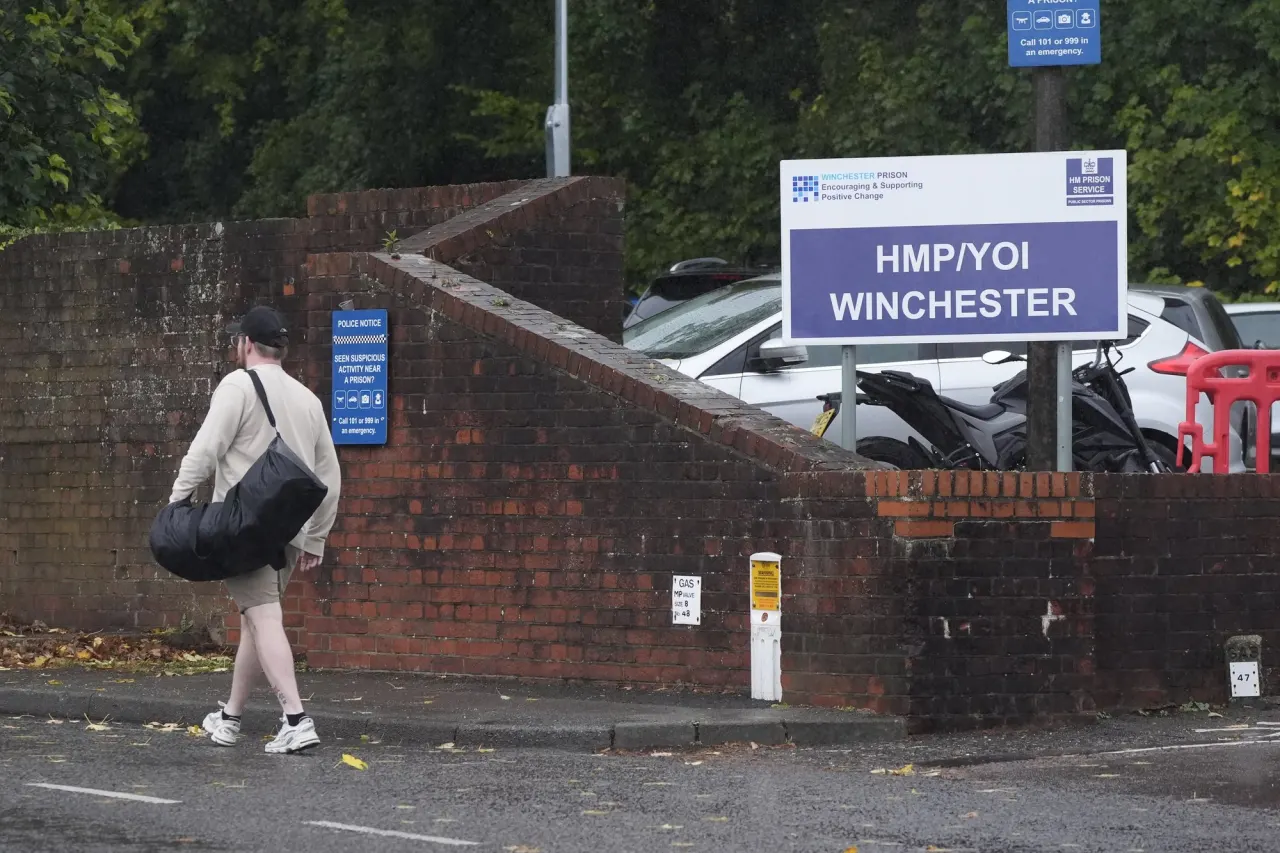
About 650 prisoners are due to be released in the third wave of Labour’s early release scheme, adding to thousands already freed since it began on 1 October. The releases are intended to ease pressure on prisons, but include people convicted of burglary, fraud and some violent offences, keeping public safety and supervision in focus.
Eligible prisoners serving fixed-term sentences will serve a third of their term in custody rather than half. Around 5,000 releases are planned over the next year, down from 6,000 after exemptions were added for rapists and the most serious child sex offenders; murderers serving life sentences, people convicted of manslaughter and terrorists are also excluded. England and Wales had 86,982 prisoners on Monday, and officials say released prisoners are presumed to receive GPS tags, but recall figures have not been published.
- Sources
- 2
- Outlets
- 2
- Left · Centre · Right
- 0 · 0 · 2
In short
- Around 650 prisoners are due for early release in the third wave.
- The scheme aims to ease pressure on prisons.
- Recall figures for licence breaches have not been published.
How this story developed
- 18 minutes ago About 650 prisoners in England and Wales are due to be released early in the third wave of Labour’s scheme, which began on 1 October.
- 30 minutes ago About 650 prisoners are due to be released in the third wave of Labour’s early release scheme, adding to thousands already freed since it began on 1 October.
Full account
Around 650 people serving prison sentences are due to be released across England and Wales today in the third stage of Labour’s early release programme. The scheme applies to fixed-term prisoners who have served a third of their sentence, rather than the usual half, and is intended to relieve pressure on overcrowded prisons. Those eligible in this phase have sentences of up to three years and two months.
The reports say at least 1,350 prisoners were released in the first two stages, which began on 1 October. The programme is due to widen in monthly stages, eventually covering some people serving sentences of 12 years or more. Ministers have reduced the planned total from about 6,000 releases to 5,000 after excluding rapists and the most serious child sex offenders. The scheme also excludes murderers serving life sentences, terrorists and people convicted of manslaughter; one report says the manslaughter exemption followed concern about the possible release of the men who killed Pc Andrew Harper.
The accounts describe a range of offences among those eligible, including affray, burglary and fraud, as well as some cases involving wounding, grievous bodily harm with intent or lower-level firearms offences. One report cites a police chief’s warning that officers are already arresting two or three people a week who were released early and are either recalled or suspected of further offending. It also reports more than 100 tagging breaches a day in London, while alleging that most people arrested over breaches are quickly bailed back into the community.
Political responses feature prominently in both reports. Reform UK figures criticised successive governments over prison capacity; Sarah Pochin said her party would deport foreign national offenders if it entered government. A separate report quotes Reform’s home affairs spokesman arguing that the releases put victims and the public at risk. One account also recounts the case of a man who, after an earlier release, said he expected to steal again; the other describes a Wandsworth prisoner smiling as he left and reports that another man was accused of shoplifting the day after release.
Where outlets differ
From the full account, which is AI-written from the sources:
The reports give slightly different prison population figures and reference dates: one says 86,982 on Monday, while the other gives 87,033 the previous day and says prisons were at almost 98 per cent capacity, with 1,951 places vacant.
The first report focuses on the planned scale, offence exemptions and criticism from Reform UK’s home affairs spokesman. The second gives more attention to scenes outside HMP Wandsworth, Reform MP Sarah Pochin’s comments, police claims about recalls and tagging breaches, and individual cases. The supplied text of the second report ends mid-sentence, so its account of the shoplifting case is incomplete.
Steelman: both sides, in good faith
The strongest fair case each way — we don't pick a winner.
The case for
Supporters argue that reducing custody for eligible prisoners is a necessary response to overcrowding, which can undermine safety, rehabilitation and the effective running of prisons. With exclusions for the most serious offences and presumed GPS monitoring after release, they say a staged scheme can relieve pressure while keeping safeguards in place.
The case against
Critics argue that releasing people earlier, including some convicted of violent crimes, burglary and fraud, may expose the public to avoidable harm and weaken confidence in sentencing. They also point to the lack of published recall figures and uncertainty about supervision as reasons to question whether the safeguards are sufficient.
Explained simply
Prisons in England and Wales have faced pressure from overcrowding, which can make it harder to manage people in custody and provide safe conditions. The government’s early release scheme is intended to free space by shortening the time some people serve in prison.
Under the scheme, eligible people serving fixed-term sentences can be released after serving a third of their sentence rather than half. It excludes people convicted of murder, manslaughter and terrorism, as well as rapists and the most serious child sex offenders; those released are expected to be supervised, including through GPS tags.
The policy affects the balance between prison capacity and the time people spend in custody, while raising questions about public safety and how well people are monitored after release. The Ministry of Justice oversees prisons and the scheme, while probation services supervise people returning to the community.
Coverage · 2 sources
Bias meters
From 2 rated sources.