Typhoon Champi triggers mass cancellations and closures in Taiwan
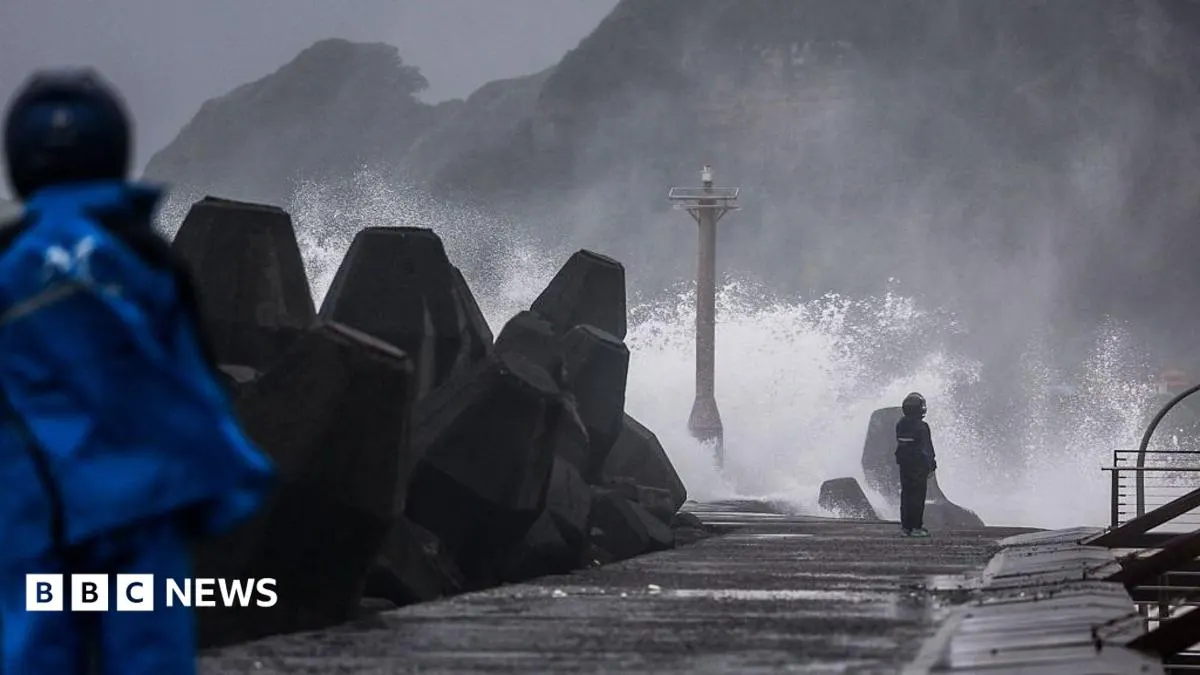
Typhoon Champi brought widespread disruption as it passed close to Taiwan’s north-east coast, prompting school and office closures and the cancellation of hundreds of flights across East Asia. Forecasters expected severe rain and winds through Saturday, although they said the storm’s eye was likely to pass without making landfall; its path could still change.
Authorities reported one death after a person was swept away by waves, 171 injuries and the evacuation of about 1,000 people. Taiwan suspended work and classes in nearly all of its 22 counties and cities, and closed its stock exchange. Champi had recorded gusts of 191km/h on Friday, after reaching peak sustained winds of 298km/h earlier in the week; Japan reported power cuts affecting nearly 8,400 households and more than 160 flight cancellations.
In short
- Champi disrupted travel and daily life across East Asia.
- Taiwan forecast up to 90cm of rain through Saturday.
- One person died, 171 were injured and 1,000 evacuated.
Explained simply
Taiwan is an island in East Asia, where typhoons—powerful tropical storms—can bring destructive winds, heavy rain and dangerous seas. They often disrupt transport and daily life even when their centre stays offshore, and their tracks can shift as they approach.
Taiwan’s local authorities manage public safety measures such as closing schools and offices, while airlines and other services respond to weather and safety conditions. Nearby Japan and other parts of East Asia can also be affected as storms move across the region.
Typhoons matter because strong winds, flooding and large waves can threaten lives, damage infrastructure and cut power. Closures and cancellations are intended to reduce people’s exposure to danger, but they can also interrupt travel, work and business.
Read the full article at the source →
Originally published by BBC World as “Hundreds of flights cancelled as Typhoon Champi shuts Taiwan”.