Taliban detain 443 people in crackdown on grooming and clothing rules
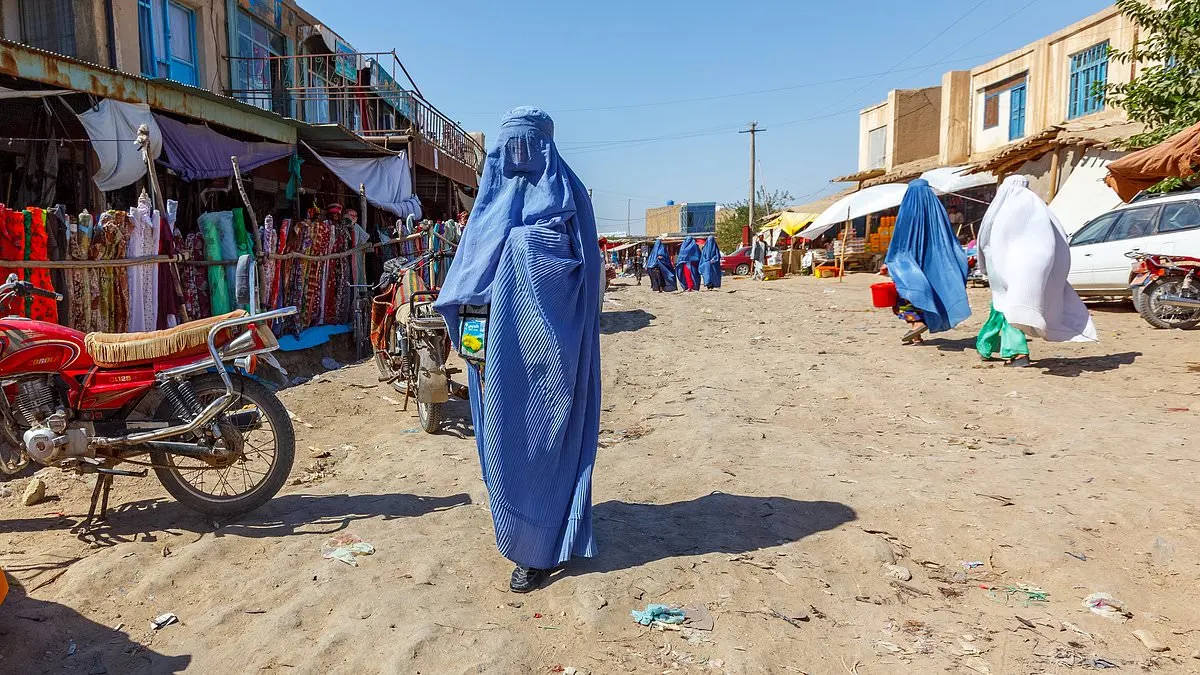
Taliban morality police detained at least 443 people between July and September in a crackdown on alleged breaches of rules governing appearance and behaviour. The cases show how the authorities are enforcing restrictions on men’s grooming and women’s clothing, including rules affecting children.
The UN report cited two barbers held for a month over “Western” haircuts and trimmed beards, and more than 50 cases involving women or girls accused of breaking face-covering requirements. These included 10 women detained in Herat for not wearing chadors, a 13-year-old held overnight over hijab rules, and a man detained because his 12-year-old daughter was not wearing a burqa. The report also recorded enforcement over missed prayers and music, against a backdrop of wider restrictions on women and girls since the Taliban returned to power in 2021.
- Taliban morality police made at least 443 arrests from July to September.
- Detentions included barbers, women and girls.
- The crackdown enforced rules on dress, grooming, prayers and music.
New here? Start with this
The Taliban, an Islamist movement that returned to power in Afghanistan in 2021, governs through rules covering public life as well as government and security. Its morality police are responsible for enforcing rules on conduct and appearance.
The rules include requirements affecting how men style their hair and beards and what women and girls wear in public. A chador is a garment that covers the head and body, while a burqa covers the face as well; hijab rules set requirements for modest dress and covering.
These enforcement cases sit within wider restrictions on women’s and girls’ lives, including limits on education and work. They matter because they show how rules set by the authorities are applied to people in everyday settings, including children.
Both sides, in good faith
The strongest fair case each way — we don't pick a winner.
The case for
Supporters of the rules may argue that religious authorities have a duty to uphold their interpretation of Islamic standards for public conduct and dress, and that consistent enforcement protects community norms. They may see limits on appearance, music and prayer attendance as part of maintaining a religious social order, even when enforcement is strict.
The case against
Critics may argue that detaining people over grooming, clothing, music or prayer imposes severe penalties for personal choices and violates basic freedoms. They may be especially concerned that women, girls and children face coercion and unequal restrictions, with enforcement extending into family life.
Art Business Culture Markets World
Read the full article at the source →
Originally published by Daily Mail as “Hundreds of people including children are detained by Taliban for ‘Western’ haircuts, trimmed beards and failing to wear the burqa”.