Science news and discussion on TalkFuse.
Hundreds of seagrass shoots found in estuary
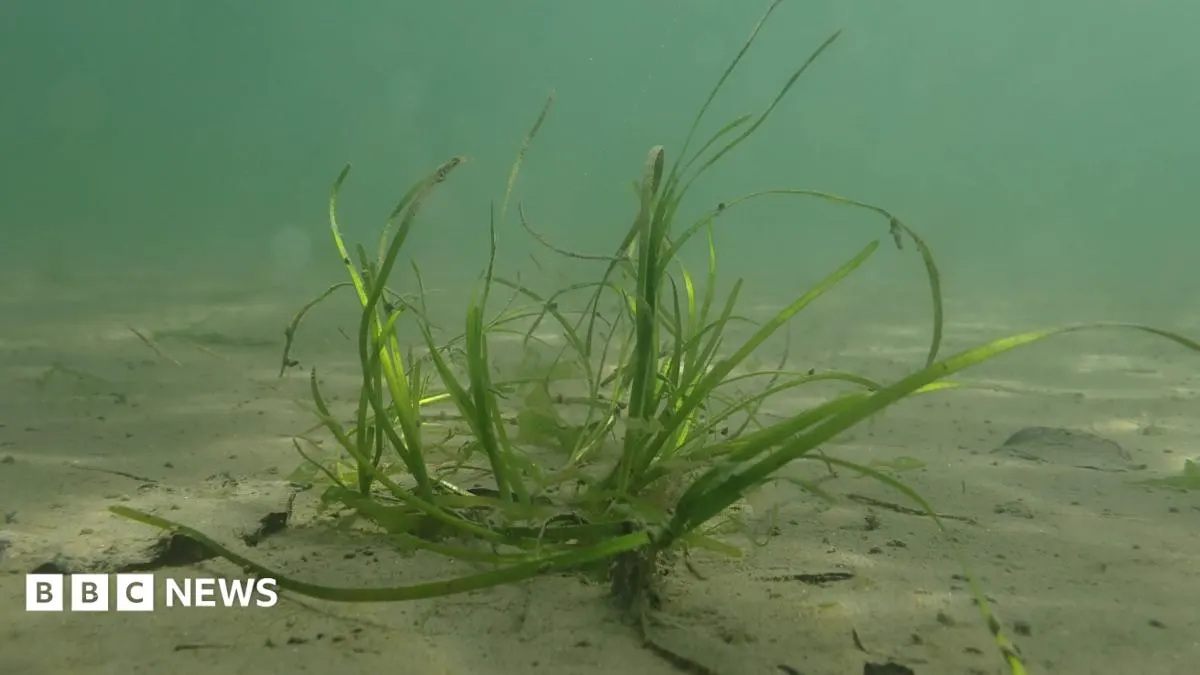
More than 430 seagrass shoots have been found in Cornwall’s Fowey Estuary, raising hopes that restoration can help bring back a vital marine habitat. The growth appeared after an uncertain start to the trial, when only six seedlings had emerged by late April.
Cornwall Wildlife Trust recorded the shoots in 50 seabed patches during summer surveys. Volunteers planted seeds collected from a meadow in Torpoint in autumn 2025; further planting is planned in the Fowey and Helford estuaries, with monitoring in spring 2027. Seagrass supports marine life, improves water quality, stores carbon and helps limit coastal erosion, but mainland Britain has lost up to 92% of its meadows over the past century.
In short
- More than 430 seagrass shoots have emerged in the Fowey Estuary.
- The shoots were found across 50 seabed patches.
- Further planting and monitoring are planned.
Explained simply
Seagrass is a flowering plant that grows on the seabed in shallow coastal waters. Its underwater meadows provide habitat for marine life, help improve water quality and store carbon.
Cornwall Wildlife Trust is leading restoration work in the Fowey Estuary, using seeds collected from a seagrass meadow near Torpoint. The work is part of wider efforts to restore seagrass in Cornwall’s estuaries, where the habitat could also help reduce coastal erosion.
Seagrass meadows have declined sharply across mainland Britain over the past century. Their recovery may benefit wildlife and coastal environments, though restoration takes time and needs ongoing monitoring.