World news and discussion on TalkFuse.
Hungary lifts block on further progress for Ukraine, Moldova EU membership bids
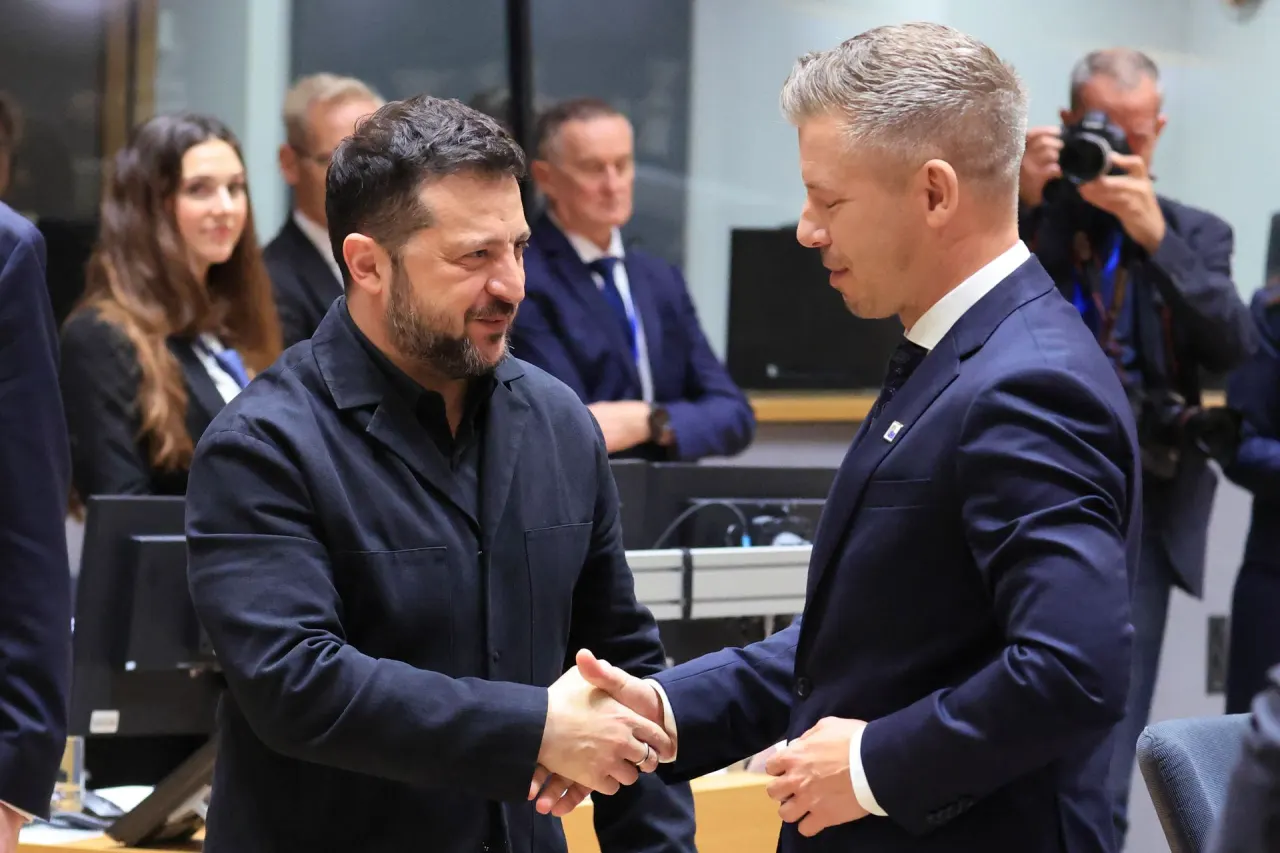
Hungary has withdrawn its objection to Ukraine and Moldova opening the final two EU accession clusters, covering agriculture and the green agenda. The move clears a hurdle in the membership process, though several EU approvals are still needed before the clusters can formally open.
The EU’s 27 ambassadors and national ministers must first adopt a common position, followed by an intergovernmental conference. All six clusters are expected to be open by December, after which attention will turn to rule of law and anti-corruption benchmarks. Moldova is reported to have essentially completed the required work, while Ukraine still needs reforms; EU officials hope it can make the necessary progress by June 2027.
In short
- Hungary has dropped its objection to two accession clusters.
- Formal EU approvals are still required before they open.
- Ukraine’s rule of law reforms remain a key hurdle.
Steelman: both sides, in good faith
The strongest fair case each way — we don't pick a winner.
The case for
Opening the clusters would keep Ukraine and Moldova’s accession moving and recognise progress towards EU standards, including on agriculture, the environment and governance. Supporters may argue that a credible path to membership can encourage further reform and strengthen stability and cooperation in Europe.
The case against
A cautious approach can protect the EU’s standards and ensure that accession follows verified reforms rather than political urgency. Given the remaining approvals and Ukraine’s outstanding work on rule of law and anti-corruption, critics may argue that opening clusters now risks creating expectations before candidates have met the requirements.
Explained simply
EU membership is a process in which a country must align its laws and institutions with the bloc’s rules. The negotiations are divided into six groups of policy areas, known as clusters, which are assessed before membership can be agreed.
Ukraine and Moldova applied to join the EU after Russia’s full-scale invasion of Ukraine in 2022, and both were recognised as candidates. Hungary is one of the EU’s 27 member states, so its objections can affect whether the bloc agrees to move negotiations forward.
Opening all the clusters would allow detailed talks across the remaining policy areas, but it would not guarantee membership. The countries must meet EU standards, including on the rule of law and corruption, and member states must approve each major step.