Hunter Schafer Reveals She Had Gender-Affirming Bottom Surgery
Developed over time first seen 1 day ago
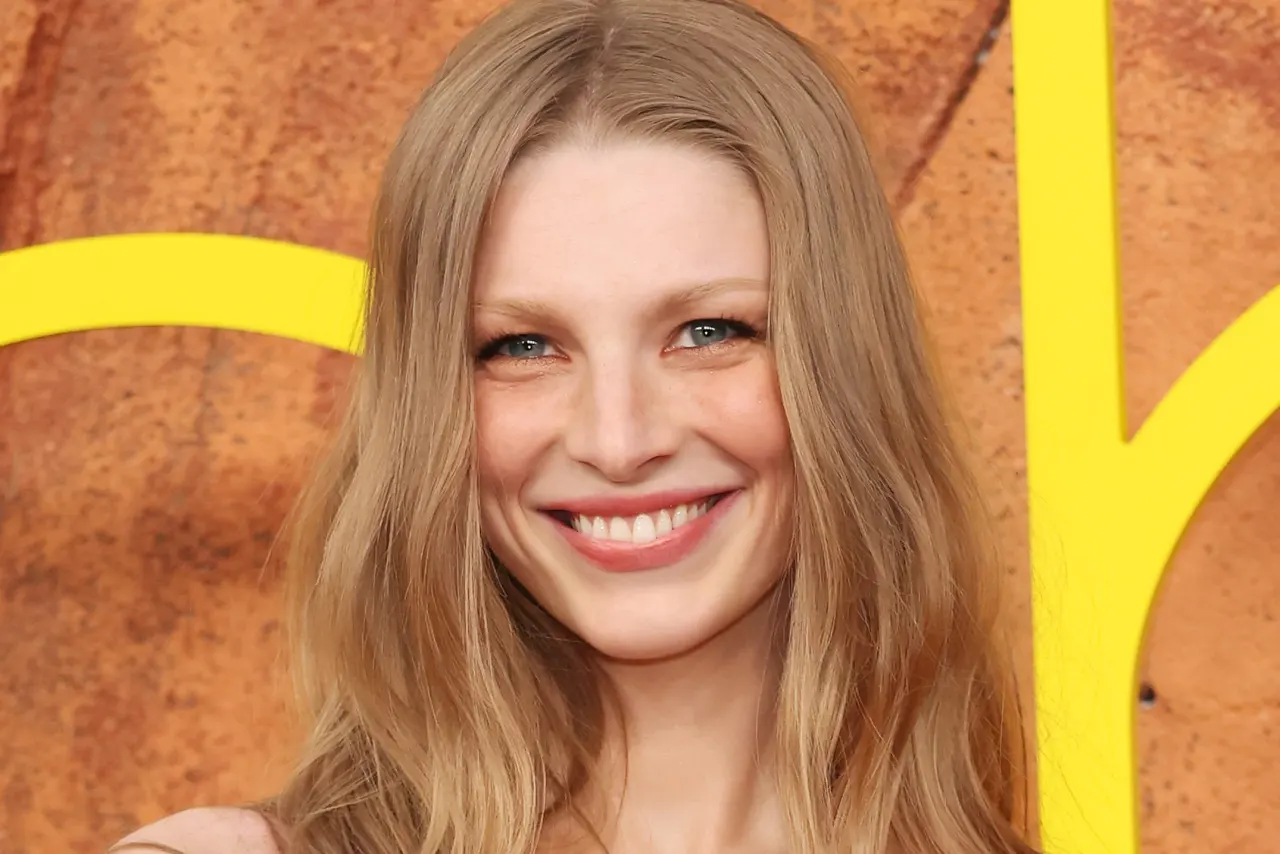
Hunter Schafer has revealed that she had gender-affirming bottom surgery in December, describing the operation as “amazing” and saying she is pleased with the result. She said her decision followed a period of exploring a gender-expansive identity and considering how it fitted with her everyday experience and how she wanted to present herself.
Schafer said she now identifies as a woman, while describing self-discovery and change as part of queerness. During recovery in early 2026, she stayed in a large apartment with visits from friends and family and was told to limit herself to 150 steps a day. She has previously said she wants her acting work to be recognised beyond her trans identity, while acknowledging the responsibility she feels as a prominent trans figure.
- Hunter Schafer says she had bottom surgery in December.
- She described the operation as “amazing”.
- Her recovery included a 150-step daily limit.
New here? Start with this
Hunter Schafer is an American actor and model known for playing Jules Vaughn in the television series Euphoria. She is transgender and has spoken publicly about her experiences, bringing attention to questions of gender identity and representation.
Gender-affirming surgery is a medical procedure some transgender people choose as part of their transition; people’s choices and experiences vary. Ideas about gender can be personal and change over time, and a person’s identity does not depend on having surgery.
Full account
Hunter Schafer has said she underwent gender-affirming bottom surgery in December, describing the operation as a positive experience. In an interview with Elle, the actor said she felt happy with the result. Schafer, known for playing Jules in Euphoria, spoke about the decision as part of a wider reflection on how her understanding of her gender has changed over time.
Schafer said she had previously tried to make her earlier body feel right, valuing what she called the gender-expansive possibilities of that experience. Over time, she found that this ideal did not always fit her everyday life or how she wanted to present herself. She described her identity as having felt more fluid before settling on a clearer sense of herself: “I’m a woman. I’m a girl.” She also spoke of a continuing tension between queer ideas of possibility and how they play out in the world around her.
She described a demanding recovery, saying she rented a large flat so friends and family could visit while she was required to lie down. Her doctor limited her to 150 steps a day. The Elle profile also looks ahead to her role opposite Michelle Yeoh in the Amazon series Blade Runner 2099, and revisits Schafer’s earlier comments about not wanting her trans identity to eclipse discussion of her acting career.
The news prompted a public response from fellow trans artist Kim Petras, who criticised hostile online reactions to Schafer’s disclosure. Petras said such comments reflected the way trans women are fetishised and treated as less valuable when they choose surgery. Her intervention shifted attention from Schafer’s personal account to the broader response it received. Schafer has previously spoken about wanting to be recognised for her work as well as her identity, while acknowledging that she has deliberately navigated how often the subject is foregrounded.
Where outlets differ
The first report centres on Schafer’s own account: her changing understanding of gender, the reasons she chose surgery, recovery and career. The second foregrounds Petras’s criticism of negative online commentary and adds context from her own experience of prejudice, as well as a medical expert’s comments about regret and eligibility. The reports use different terminology: the first generally says “bottom surgery”, while the second also identifies the procedure as vaginoplasty. The supplied accounts do not give a URL for either original report; links below point to accessible coverage of the story.