HyperX’s first open-back gaming headset brings the bass
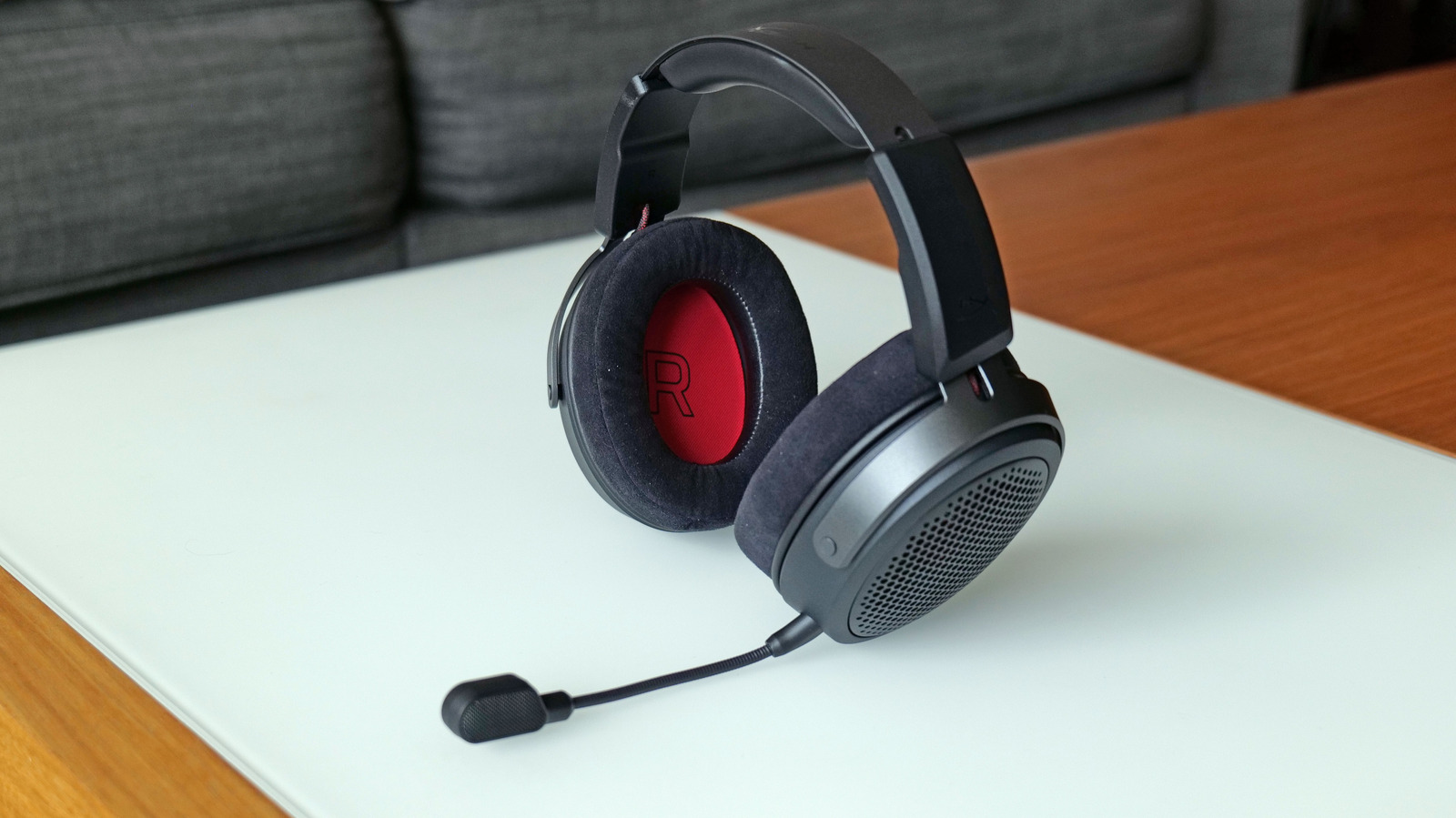
HyperX has launched the Cloud Alpha Air, its first open-back gaming headset, priced at $150. The move addresses a common trade-off with open-back designs, which typically sacrifice bass response for a more spacious soundstage, by pairing plush earpads with a "Bass Tube" intended to preserve strong low-end audio for effects like footsteps and explosions.
In hands-on impressions, the headset delivered a controlled, deep bass rumble without overwhelming mids and highs, alongside a comfortable, sturdy build featuring a metal headband and ultrasuede earcups. It has 34-ohm impedance, customisable EQ via HyperX's NGENUITY app, and ships with multiple cables, a USB-A/C adapter and a carry bag, though it is only available wired for now. HyperX also announced new colourways for its Cloud III S, Cloud III Wired and Cloud Flight 2 headsets, plus a new lightweight mouse, the 47-gram Pulsefire Haste 3 Pro, priced at $130.
- HyperX launches its first open-back headset, the $150 Cloud Alpha Air
- Bass Tube design aims to keep strong bass despite open-back soundstage
- Currently wired-only; HyperX also refreshed other headsets and a new mouse
New here? Start with this
HyperX is a well-known brand of gaming accessories, including headsets, keyboards and mice, and it regularly launches new products aimed at PC and console gamers. Headsets in this space generally come in two styles: "closed-back", which seals in sound and boosts bass but can feel less spacious, or "open-back", which lets air flow through the earcups for a wider, more natural sound but usually loses some bass punch. Understanding this trade-off is key to why a new open-back model from HyperX is notable.
Bass response matters in gaming because low-frequency sound often carries cues players rely on, such as footsteps, explosions or engine rumble, alongside music and effects. Manufacturers have long tried to find ways to keep that bass strong even in open-back designs, which is the specific problem this product is said to address. Pricing, comfort, build quality and software features like adjustable sound settings are typical factors reviewers and buyers weigh when judging whether a headset is worth its cost.
More broadly, HyperX operates in a competitive gaming peripherals market alongside brands such as Logitech, Razer and SteelSeries, where companies frequently refresh existing product lines with new colours or minor updates and occasionally release entirely new designs. This context helps explain why a "first" of its kind from an established brand, alongside other smaller product updates, is being reported as a notable moment for the company's lineup.