World news and discussion on TalkFuse.
‘I agree with the president’: incoming senator Abdul El-Sayed seeks to help Trump end military aid to Israel
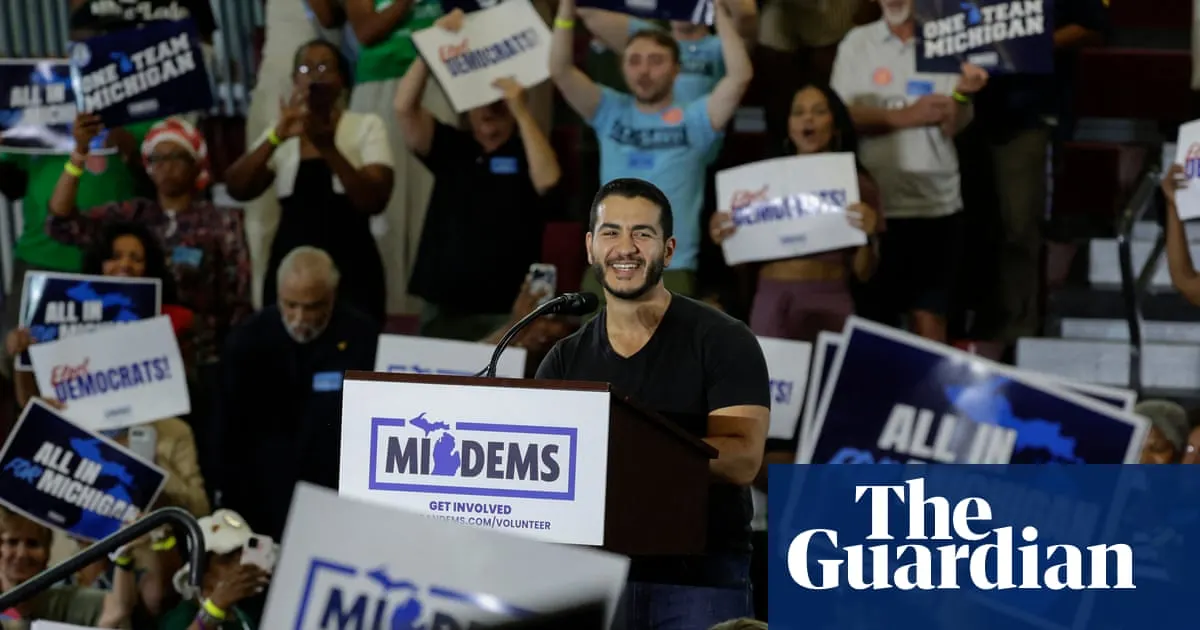
Michigan senator-elect Abdul El-Sayed says he agrees with Donald Trump that unconditional US military aid to Israel should end, and wants Congress to change its approach to the relationship. His comments point to a possible area of cooperation with the incoming president, despite their political differences, and come as Trump has said aid to Israel will end under an agreement with Benjamin Netanyahu.
El-Sayed also wants the US to apply international law to Israel and stop defending it at international institutions. He called for the Democratic caucus to stop receiving money from Aipac, which spent heavily against his campaign. He has secured a meeting with Vice-President JD Vance, who previously attacked him, and says his priorities include resisting Medicaid cuts, proposing Medicare for All and advancing voting and union rights legislation.
In short
- El-Sayed backs ending unconditional military aid to Israel.
- He wants Congress to change its approach to Israel.
- He has secured a meeting with JD Vance.
Steelman: both sides, in good faith
The strongest fair case each way — we don't pick a winner.
The case for
Ending unconditional military aid could give the US greater leverage to press Israel to comply with international law and make decisions consistent with US interests. Supporters may argue that applying the same standards at international institutions and reducing the influence of lobbying money would make policy more accountable, while cooperation across party lines could help achieve change.
The case against
Opponents may argue that US military aid supports Israel’s security and helps deter threats, so ending it could weaken an important partnership or reduce US influence over Israeli decisions. They may also see continued support and diplomatic backing as justified by shared interests and the need to protect an ally, while viewing a broad change in policy as risky amid regional tensions.
Americas Elections Government Middle East Politics World