I became a mother after surviving FGM aged six – it turned my life around
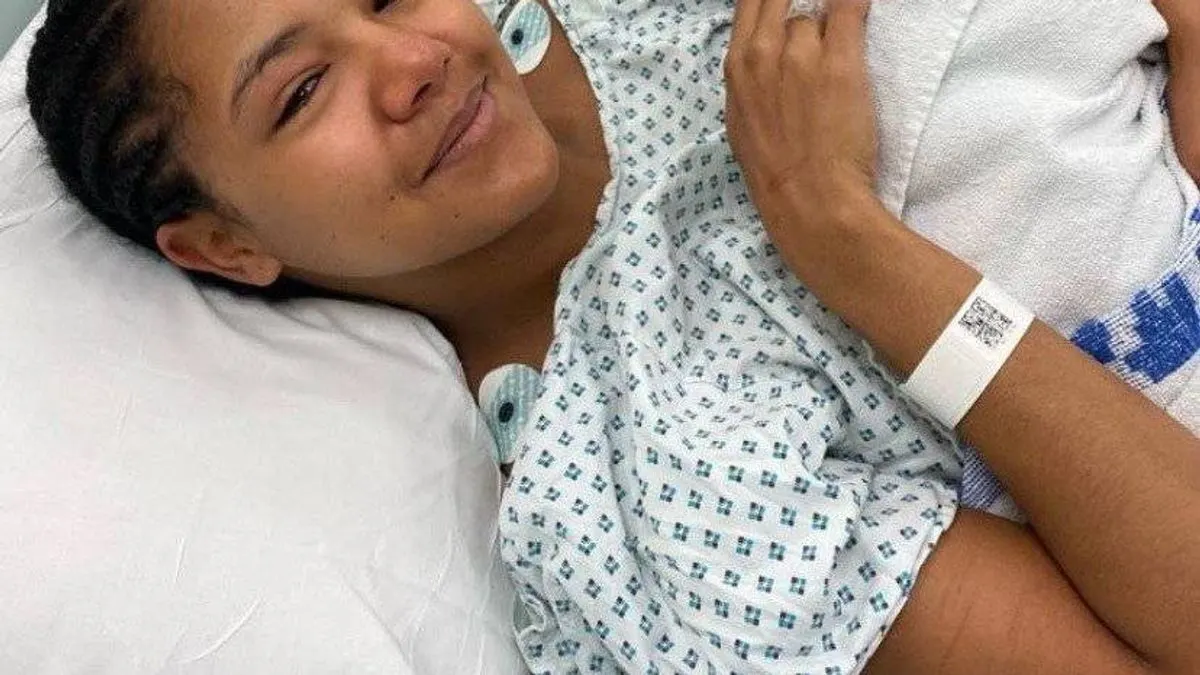
Amani Abdallah says she underwent female genital mutilation in Sudan when she was about six or seven, leaving her with lasting pain and difficulty urinating. After becoming a mother in 2023, she chose to have deinfibulation surgery, which she says has allowed her to urinate normally and have sex without discomfort; she has since spoken publicly to help protect other girls.
The 26-year-old nursing student moved to the UK aged 10 and only recognised what had happened during a school biology lesson. She had type 3 FGM, which narrows the vaginal opening, and recalls developing an infection that her family feared might kill her. FGM has been illegal in the UK since 1985, while Sudan, where the practice was widespread, outlawed it in 2020.
In short
- Amani Abdallah had FGM in Sudan as a young child.
- Motherhood prompted her to have deinfibulation surgery.
- She now speaks out to help protect other girls.
Explained simply
Female genital mutilation, or FGM, refers to procedures that alter or injure the external female genitals for non-medical reasons. Type 3 FGM involves narrowing the vaginal opening and can cause lasting health problems, including pain and difficulty urinating.
Amani Abdallah says she underwent FGM as a young child in Sudan, then moved to the UK aged 10. Deinfibulation is an operation that opens the narrowed area; some women choose it to address health problems or discomfort.
FGM has been illegal in the UK since 1985, and Sudan banned it in 2020. The practice has been the subject of efforts to protect girls and support women affected by it.