Entertainment news and discussion on TalkFuse.
“I could hardly move”: the “crazy” 1967 Beatles song that came from John Lennon being “very paranoid”
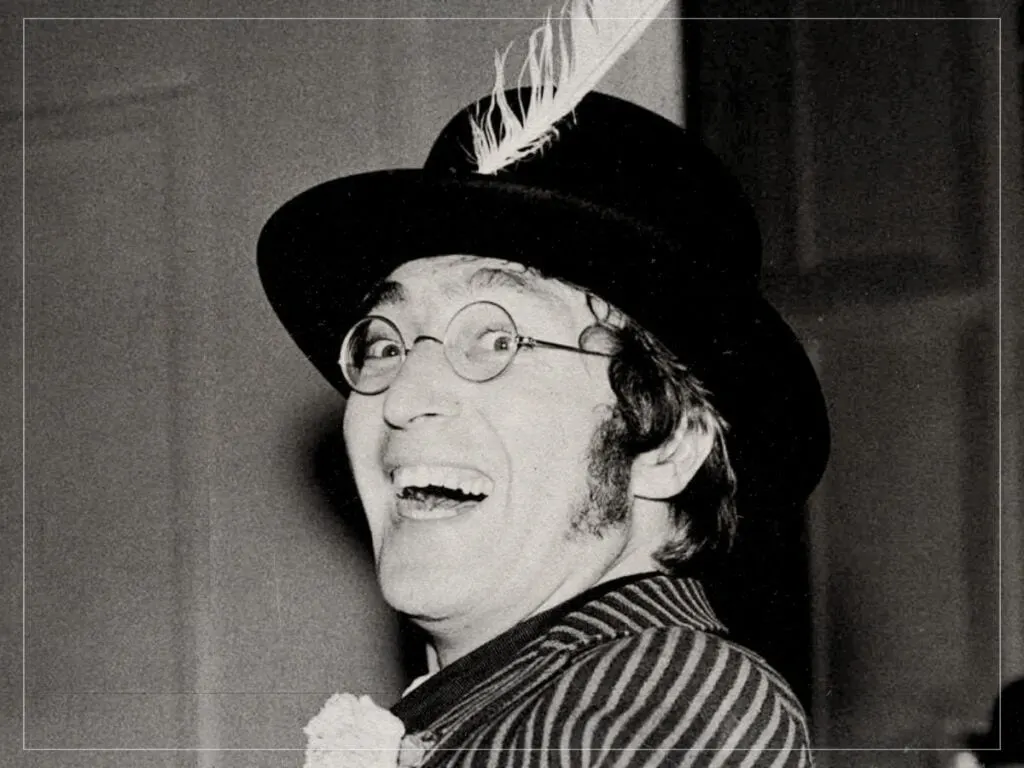
The article revisits the origins of The Beatles' 1967 track "Being for the Benefit of Mr Kite!", which John Lennon once described as emerging from a period of intense paranoia during the making of Sgt. Pepper's Lonely Hearts Club Band. The song stands out among several Beatles tracks noted for anxious or paranoid undertones, and its unusual creation story adds context to why the track's surreal, dreamlike quality has endured as one of the album's more curious entries.
Lennon told Rolling Stone in 1970 that he wrote the song quickly under pressure to complete the album, admitting he "was very paranoid in those days" and "could hardly move". The lyrics were drawn from a Victorian circus poster advertising Pablo Fanque's Circus Royal, which Lennon had bought in an antique shop, though the song was later banned by the BBC over false associations between the character "Henry the Horse" and heroin—a claim Lennon firmly denied in a 1980 interview. Despite never being performed live by The Beatles, Paul McCartney began covering the song in his solo concerts from 2013 onwards, calling it a "crazy, oddball song" and recalling fond memories of co-writing it with Lennon.
In short
- Lennon said paranoia shaped 1967's "Being for the Benefit of Mr Kite!"
- Lyrics came from a Victorian circus poster, not drug references
- Paul McCartney started performing the song live from 2013
Explained simply
Sgt. Pepper’s Lonely Hearts Club Band is a 1967 Beatles album made as the group moved away from touring and focused on studio recordings. John Lennon and Paul McCartney wrote most of the songs together, though they often began with ideas from one or the other.
“Being for the Benefit of Mr Kite!” takes much of its wording from a Victorian poster for Pablo Fanque’s Circus Royal, which Lennon found in an antique shop. Its imagined circus scenes and unusual sound make it one of the album’s more distinctive tracks.
The Beatles never performed it live as a group. The BBC later banned the song because it suspected a reference to heroin in the phrase “Henry the Horse”, an interpretation Lennon rejected; Paul McCartney began performing it in his solo concerts decades later.
Entertainment Music Offbeat Weird & Viral