Culture news and discussion on TalkFuse.
“I didn’t like it”: The 1982 Pink Floyd album the band disowned
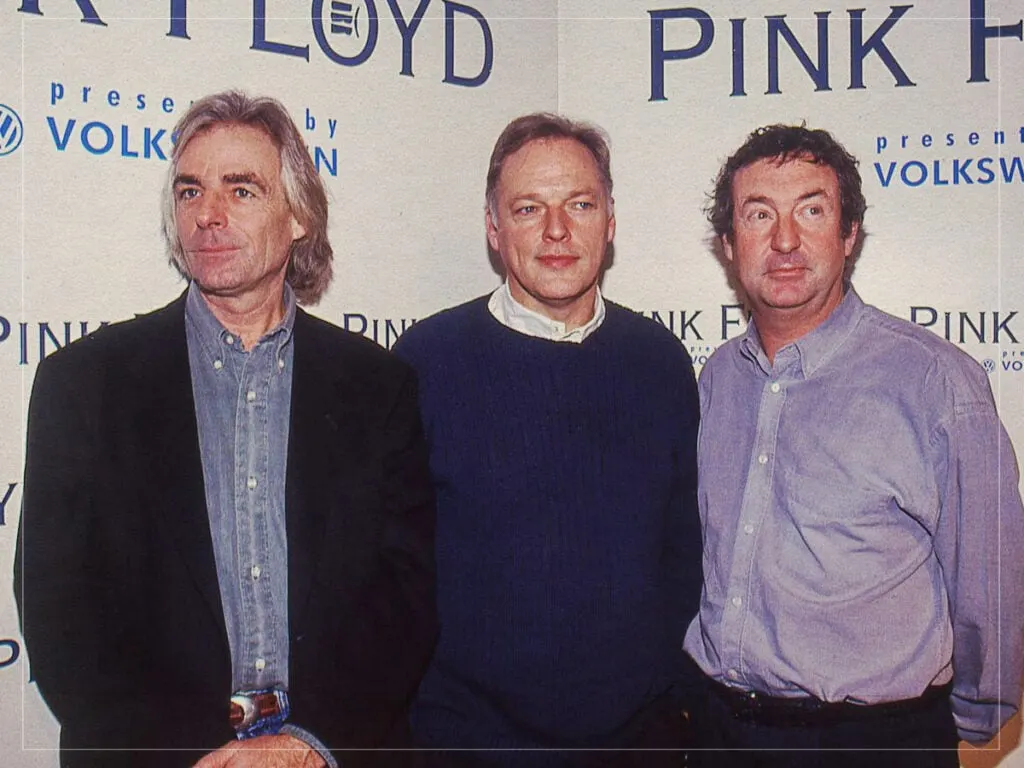
The article examines Pink Floyd’s 1982 album *The Final Cut*, portraying it as a divisive release that several band members came to dislike or distance themselves from. It matters because the record marked the group’s growing internal fracture and foreshadowed Roger Waters’s departure from Pink Floyd.
The album was largely driven by Waters’s politically charged writing, with David Gilmour reportedly unhappy with both its direction and the absence of stronger new musical material. Released after *The Wall*, it was commercially successful but is often regarded as closer to a Waters solo project than a collaborative Pink Floyd album.
In short
- *The Final Cut* exposed Pink Floyd’s internal divisions.
- Roger Waters dominated the album’s creative direction.
- David Gilmour later expressed dislike for it.
Steelman: both sides, in good faith
The strongest fair case each way — we don't pick a winner.
The case for
The Final Cut can be defended as a coherent, ambitious work: Roger Waters used the band’s established sound to explore war, grief and political disillusionment, giving the album a strong thematic identity. Its commercial success suggests that this approach resonated with many listeners, and its closeness to Waters’s vision need not diminish its artistic value.
The case against
The album can also be seen as a departure from the collaborative balance that had helped define Pink Floyd. David Gilmour’s reported objections to its musical direction and lack of stronger new material support the view that it offered too little shared musical development, making the band name feel less representative of a collective effort.
Explained simply
Pink Floyd's *The Final Cut*, released in 1982, was one of rock music's most successful but contentious albums. The record followed the band's 1979 mega-album *The Wall* and was shaped largely by frontman Roger Waters's politically charged songwriting.
The album created tension within the band because different members held opposing views about its direction and musical content. Guitarist David Gilmour was unhappy with the work and the lack of fresh musical material he felt the album contained, whilst other members also came to distance themselves from the record.
*The Final Cut* ultimately proved important to Pink Floyd's history because it exposed deep rifts between the band members. The album's fractious creation and the members' subsequent disavowal of it foreshadowed Roger Waters's departure from the group, which would come just a few years later.