Yayoi Kusama’s art reshaped recognition of neurodivergent artists
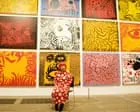
Yayoi Kusama, the Japanese artist who has died aged 97, is remembered as a pioneering figure whose openly discussed mental health struggles and neurodivergence shaped her work. Her hallucinations and compulsive perceptions of dots, flowers and infinity became central to art that influenced the New York avant garde and pop art, while helping broaden recognition of neurodivergent artists.
Kusama described making art as essential to managing pain, anxiety and fear, and voluntarily entered a Tokyo mental-health facility in the 1970s while continuing to work nearby. Her repetitive dot and flower motifs, alongside immersive mirror-and-light installations, translated sensory overload into widely celebrated experiences; Tate Modern extended her Infinity Mirror Rooms exhibition from 2022 until 2024 because of demand. The article links her legacy to growing recognition for disabled and autistic artists, including 2025 Turner Prize winner Nnena Kalu.
In short
- Kusama turned hallucinations and fear into influential, immersive art.
- Her openness helped challenge stigma around mental illness and neurodivergence.
- Her legacy resonates with today’s recognised neurodivergent artists.
Explained simply
Yayoi Kusama was a Japanese artist whose work became known internationally from the 1960s onwards. She spent time in New York, where her paintings and performances became part of the experimental art scene, and later became especially known for rooms filled with mirrors, lights and repeated patterns.
Kusama said that making art helped her cope with distressing perceptions and feelings. She chose to live in a mental-health facility in Tokyo while continuing to work nearby, and often used dots, flowers and repeated forms in her art.
Her career has prompted discussion about how mental health, disability and neurodivergence shape artists’ lives and work. That context matters to wider debates about recognition and opportunities for disabled and autistic artists.
Art Asia Culture Health Mental Health World
Read the full article at the source →
Originally published by The Guardian as “‘I fight pain and fear with art’: how Yayoi Kusama blazed a trail for neurodivergent artists”.