World news and discussion on TalkFuse.
“I had an A&R guy at one label tell us that we were the next U2.” The story behind Helmet’s Meantime, the alt.rock masterpiece that even Beavis and Butthead thought was “cool”
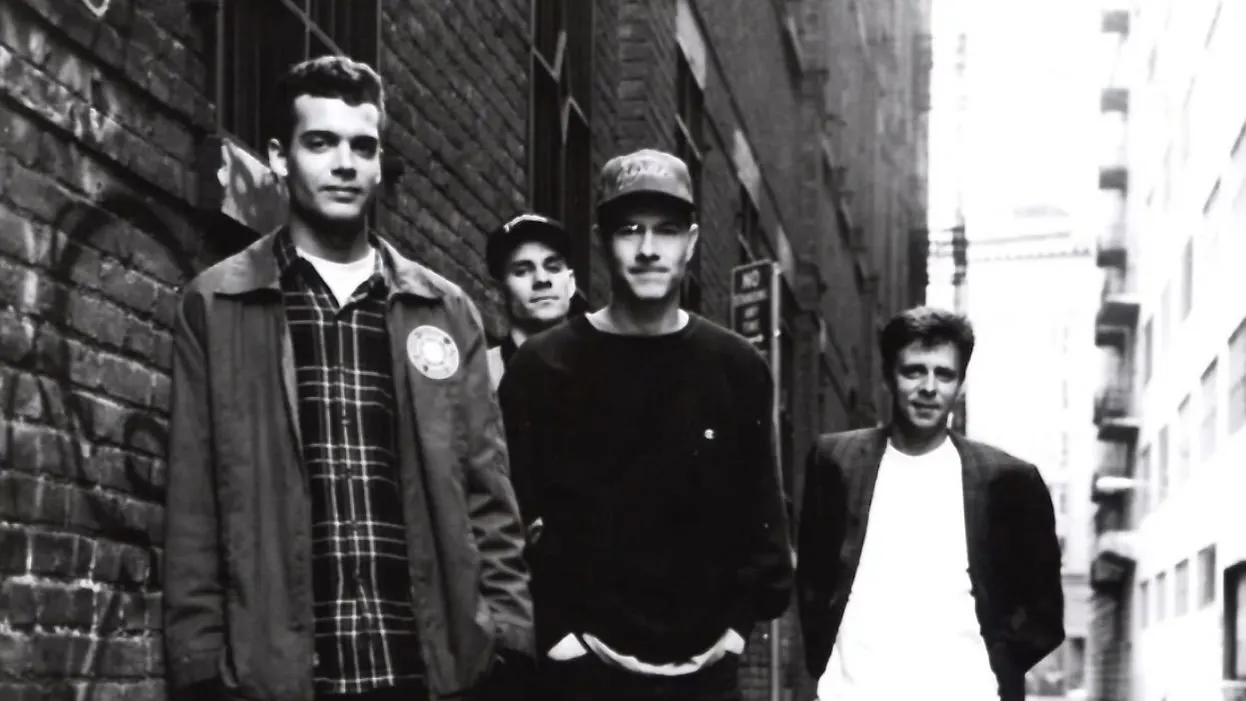
Helmet's 1992 album Meantime marked a pivotal moment for the New York alt.rock band, cementing their unlikely status as one of the most hyped acts of the post-Nirvana major-label feeding frenzy. Their brief, semi-mocking but ultimately approving appearance on MTV's Beavis and Butthead, discussing their single "Unsung", became a symbolic marker of the band's mainstream arrival, even as the group themselves remained sceptical of the industry's exaggerated expectations for them.
The band's rise stemmed from genuine commercial promise: their 1990 debut Strap It On sold around 40,000 copies on the independent label Amphetamine Reptile, enough to sustain the label through the decade. This success sparked a bidding war reportedly involving as many as 22 record labels, ultimately won by Interscope Records with a reported one million dollar signing fee, secured partly because their interest predated the wider post-Nirvana gold rush. Frontman Page Hamilton later recalled being told by an A&R executive that Helmet were "the next U2", a comparison he found absurd given the band's very different musical identity.
In short
- Helmet's Meantime capped an unlikely early-90s major-label bidding war.
- Beavis and Butthead's on-air approval symbolised the band's mainstream breakthrough.
- Interscope won a 22-label bidding war with a reported $1m signing fee.
Steelman: both sides, in good faith
The strongest fair case each way — we don't pick a winner.
The case for
The industry's substantial investment in Helmet reflected legitimate market signals. Their 40,000 independent sales represented exceptional performance for an avant-garde rock band, their distinctive musicianship merited artistic confidence, and their cross-demographic appeal—evidenced by reaching mainstream audiences through Beavis and Butthead—justified major-label commitment during a genuine moment of rock music's commercial viability.
The case against
The label enthusiasm exemplifies the speculative excess of the post-Nirvana gold rush rather than rational analysis. A $1 million signing fee for a band with 40,000 indie sales, driven by 22-label competitive bidding and comparisons to U2, reflects industry groupthink untethered from commercial reality. The band's own public skepticism about 'exaggerated expectations' confirms that even the artists themselves recognised the gap between the hype and realistic potential.
Explained simply
Helmet were a New York rock band led by singer and guitarist Page Hamilton. Their 1990 debut album, Strap It On, came out on independent label Amphetamine Reptile and sold about 40,000 copies, giving the band a growing audience and attracting interest from major record labels.
The early 1990s brought a surge of attention to alternative rock, particularly after Nirvana’s success. Helmet’s record deal with Interscope was reportedly worth one million dollars, and the band were presented with ambitious comparisons to established acts such as U2. Their later appearance on MTV’s Beavis and Butt-Head, discussing the song “Unsung”, reflected how a band with a distinctive sound was reaching a much wider audience.