‘I Have a Personal Vendetta Against Filler Content’ – How The Blood of Dawnwalker Makes Its Open World Feel Meaningful
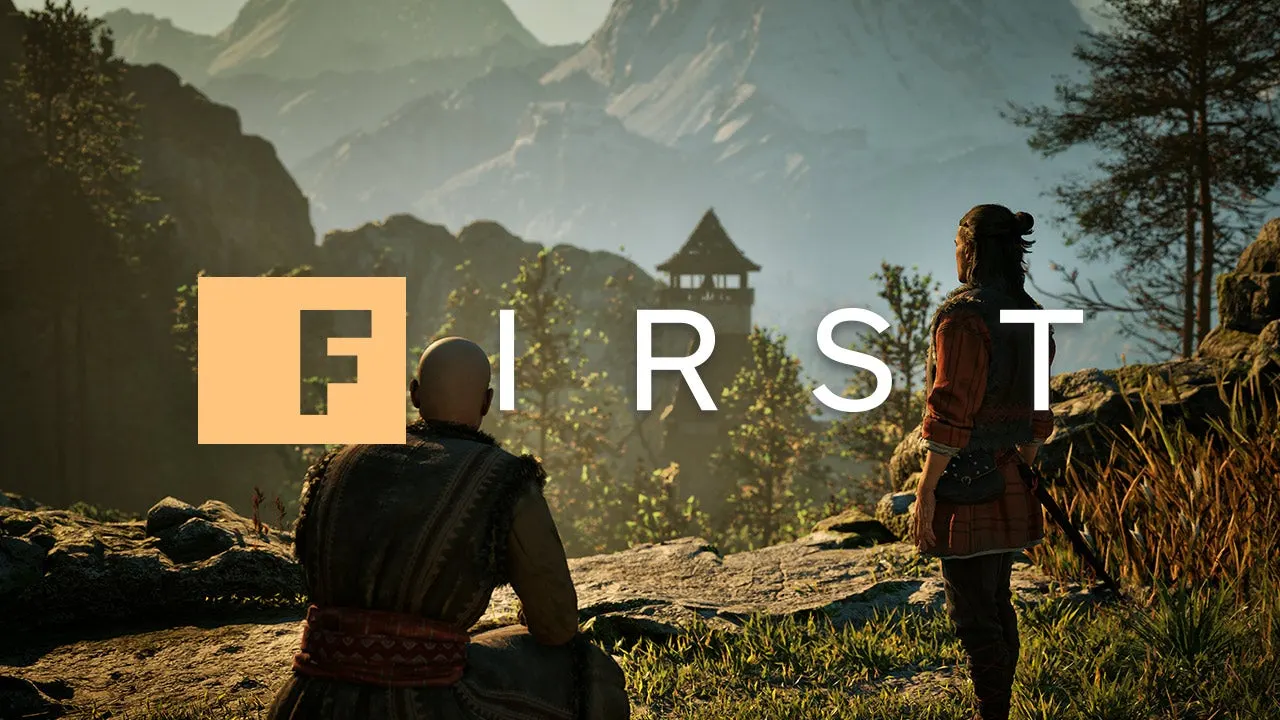
The Blood of Dawnwalker, an upcoming open-world RPG from Rebel Wolves, is being designed by developers determined to avoid repetitive "filler content" that plagues many games in the genre. Studio founders Konrad and Mateusz Tomaszkiewicz, both veterans of The Witcher 3, say every quest and activity in the game's world should connect meaningfully to its story, lore or characters rather than simply offering experience points or loot, building on the design philosophy they honed at CD Projekt Red.
The game is set in the valley of Vale Sangora, a world inspired by Eastern European history and folklore rather than any single historical period, according to narrative director Jakub Szamalek. Players follow Coen, a young man newly cursed with vampirism whose family is abducted by the vampire lord Brencis, forcing him to leave his village and explore the wider valley, including a grand Gothic cathedral in the capital city. The developers emphasise that gameplay and narrative teams worked closely together so that exploration, quest branches, and systems like anger and infamy tied to the ruling Vampire Court all feel purposeful rather than like a checklist of repeatable tasks.
In short
- Rebel Wolves wants to avoid open-world "filler content" in Blood of Dawnwalker
- Witcher 3 veterans lead design, prioritising meaningful, connected quests
- Story follows Coen across Vale Sangora after his family's vampiric abduction
Steelman: both sides, in good faith
The strongest fair case each way — we don't pick a winner.
The case for
A story-led approach can make an open world feel more coherent: quests and activities that reveal character, lore or consequences may reward curiosity more richly than tasks included mainly to extend playtime. Close collaboration between narrative and gameplay teams could also help exploration and systems such as anger and infamy feel connected to the world and its conflicts.
The case against
Some players value optional, repeatable activities for the freedom, pacing and steady rewards they offer, even when those tasks do not advance the main story. A strict focus on narrative significance could make a world feel less spontaneous or leave fewer low-pressure ways to explore, practise and progress; whether this design avoids that trade-off is not yet clear from developers’ intentions alone.
Explained simply
The Blood of Dawnwalker is an upcoming open-world role-playing game from studio Rebel Wolves that aims to distinguish itself by eliminating repetitive "filler content" commonly found in games of its type. Rather than filling the game world with generic tasks that exist primarily to reward players with experience or items, the developers say every quest and activity they include will serve the game's story, setting or characters in some meaningful way.
The game is set in Vale Sangora, a fictional valley drawing inspiration from Eastern European history and folklore. Players take on the role of Coen, a young man who becomes cursed with vampirism and must venture from his village to rescue his family after they are abducted by a powerful vampire lord named Brencis. The world includes various locations such as a grand Gothic cathedral in the region's capital city.
Rebel Wolves was founded by Konrad and Mateusz Tomaszkiewicz, veterans of The Witcher 3, one of the most acclaimed role-playing games released in recent years. The studio's approach reflects lessons learned from their previous work, with gameplay and narrative designers collaborating to ensure that even systems like a character's infamy level feel purposeful rather than like routine checklists.