New releases, music videos and album news — indie, rap, rock and pop. Always covering Ren, Chris Webby, Sam Tompkins, bbno$, CHINCHILLA, Muse, Yungblud and more.
“I have nothing against 50 Cent, but what does that even mean?!” AFI were told to collaborate with 50 Cent in the mid-2000s
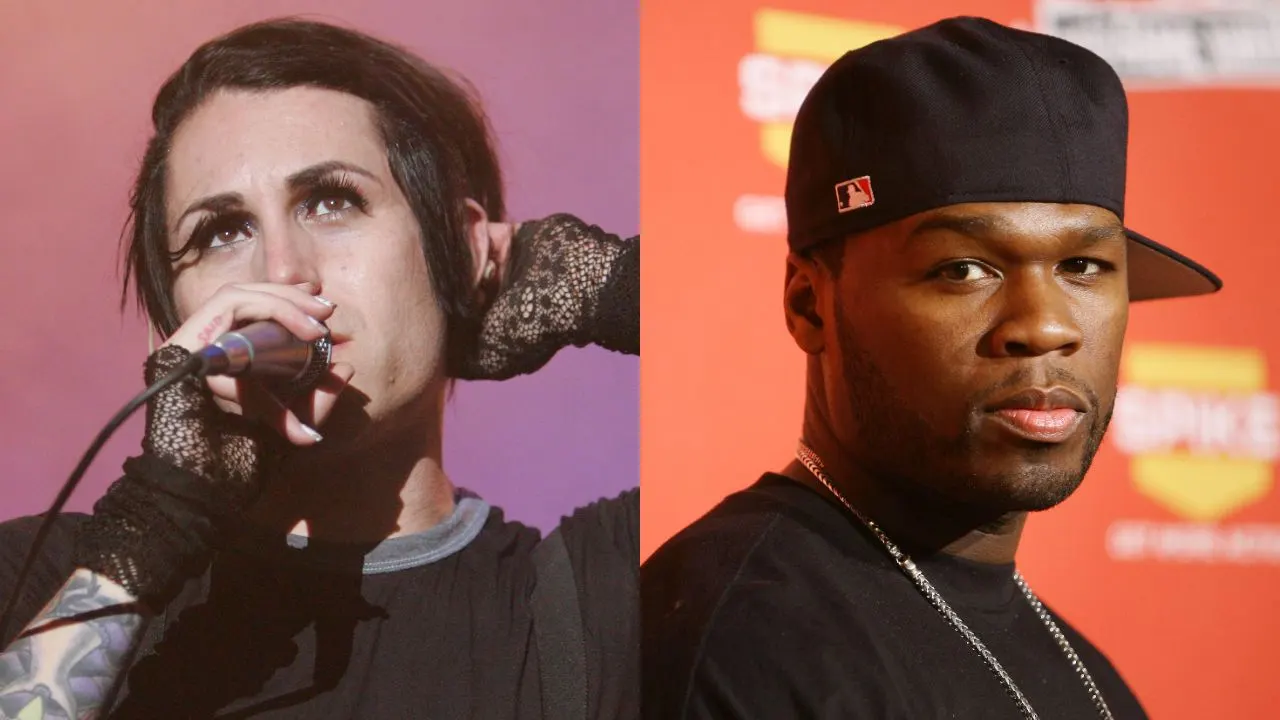
AFI singer Davey Havok says the band were encouraged to collaborate with 50 Cent during the mid-2000s, after their label situation changed from DreamWorks to Interscope. The proposed pairing was intended to attract the attention of Interscope head Jimmy Iovine, illustrating the commercial pressure AFI faced despite their established goth-punk identity.
Havok told Metal Hammer that an A&R representative was determined to make Iovine notice AFI, particularly as Iovine had publicly said that rock was dead. Because 50 Cent was then a major priority for Iovine, the collaboration was suggested, although Havok said he had nothing against the rapper and questioned what such a partnership would mean creatively.
In short
- AFI were urged to collaborate with 50 Cent.
- The idea aimed to win Jimmy Iovine’s attention.
- Davey Havok questioned the creative logic.
Steelman: both sides, in good faith
The strongest fair case each way — we don't pick a winner.
The case for
A collaboration could have helped AFI reach listeners beyond its established audience and gain the attention of influential label executives. In a commercial music industry, experimenting across genres can be a reasonable way to build opportunities, provided both artists have a genuine creative role.
The case against
AFI had a distinct goth-punk identity, and pairing the band with a major rap star chiefly to impress an executive risked making the collaboration feel commercially driven rather than artistically meaningful. Havok’s question reflects a reasonable concern that an ill-fitting partnership could dilute the band’s sound without serving either artist’s creative aims.
Explained simply
AFI are a goth-punk band who built an established following through their distinctive music and image. In the mid-2000s, when they moved to Interscope Records, the label's executives encouraged them to collaborate with 50 Cent, the hugely successful hip-hop artist. The proposal seemed an odd pairing given the two acts' vastly different musical styles.
The idea came from a desire to impress Jimmy Iovine, head of Interscope Records, who had publicly stated that rock music was dead. 50 Cent was a major commercial priority for Iovine at the time, so label staff believed that a collaboration would help get AFI noticed. The suggestion reflected the commercial thinking that drove record label strategy during that period.
The situation highlights the tension between artistic identity and commercial calculation that rock bands experienced in the early 2000s. Record labels frequently pushed established acts towards collaborations and commercial ventures that conflicted with their existing musical identity. Such pressures were a common challenge for rock artists at that time.