Leonard Peltier freed after nearly 50 years as new film revisits his case
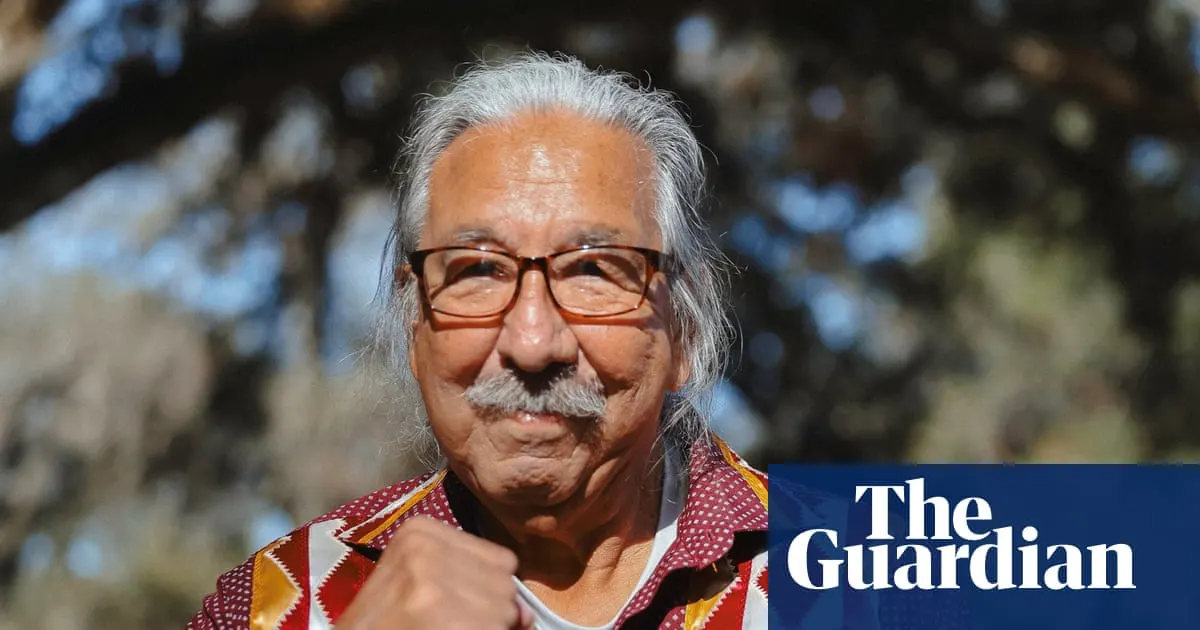
Leonard Peltier, an Indigenous activist and leader of the American Indian Movement, was released after serving nearly 50 years in prison when President Biden commuted his sentence in January 2025 with just 14 minutes remaining in his presidential term. Imprisoned since 1975 for allegedly killing two FBI agents during a shootout at Pine Ridge reservation in South Dakota – charges he has consistently denied – Peltier's case became emblematic of systemic injustice against Native Americans, with the original trial widely considered corrupt and railroaded.
A new Netflix documentary, "Free Leonard Peltier," directed by David France and Jesse Short Bull, chronicles his decades-long fight for justice and situates his case within the broader history of Indigenous resistance, from his childhood experiences with forced Native boarding schools to the American Indian Movement's 1972 occupation of the Bureau of Indian Affairs building. Though the commutation allows Peltier to serve his remaining consecutive life sentences under house arrest rather than in prison, it stops short of a full pardon – a bittersweet victory hard-won over more than half a lifetime, released on Netflix for Indigenous Peoples' Day in the US.
- Leonard Peltier, Indigenous activist, freed after 49 years when Biden commuted his sentence.
- Imprisoned for alleged killings he denied; trial widely seen as corrupt and unjust.
- New Netflix documentary explores his decades-long fight and Indigenous activism history.
New here? Start with this
Leonard Peltier is an Indigenous activist and longtime leader of the American Indian Movement, an organisation that emerged to fight for Native American rights from the 1960s onwards. In 1975, he was imprisoned for his alleged involvement in the deaths of two FBI agents during a confrontation at the Pine Ridge Indian Reservation in South Dakota – charges which he has consistently denied.
Peltier's case has become a symbol of injustice within the American legal system, particularly regarding how Native Americans have been treated. The original trial that convicted him has been widely criticised as corrupt and unfair, with legal experts and campaigners questioning whether he received adequate legal representation or a genuinely fair hearing.
His imprisonment occurred against the backdrop of decades of conflict between the US government and Indigenous peoples, including the forced removal of Native children to boarding schools where their cultures were suppressed. The American Indian Movement, which Peltier helped lead, emerged as a prominent voice against these systemic injustices, organising high-profile protests including the occupation of government buildings to demand Native rights.
Both sides, in good faith
The strongest fair case each way — we don't pick a winner.
The case for
Those supporting the commutation argue that the substantial evidence of trial irregularities and the documented corruption of Peltier's original trial, coupled with systemic injustice against Native Americans in the legal system, justified presidential intervention. They contend that after 50 years of Peltier maintaining his innocence whilst incarcerated for what many legal experts consider a fundamentally compromised conviction, the commutation represents a necessary, albeit incomplete, correction of a grave miscarriage of justice.
The case against
Those opposing the commutation argue that it undermines the finality and integrity of the legal process by second-guessing a conviction reached through formal trial proceedings. They emphasise concern for the FBI agents' families and contend that if trial flaws were genuinely evident, proper remedies should have been pursued through appellate review or pardon procedures during an active presidency, rather than through commutation as an outgoing president departs office, which risks setting a troubling precedent.
Americas Culture Entertainment Government Politics TV World
Read the full article at the source →
Originally published by The Guardian as “‘I just wasn’t going to give up’: the fight to free the longest-serving political prisoner in the US”.