Entertainment news and discussion on TalkFuse.
I Love Handhelds, But I’m Worried the RAM Crisis is Going to Kill Them
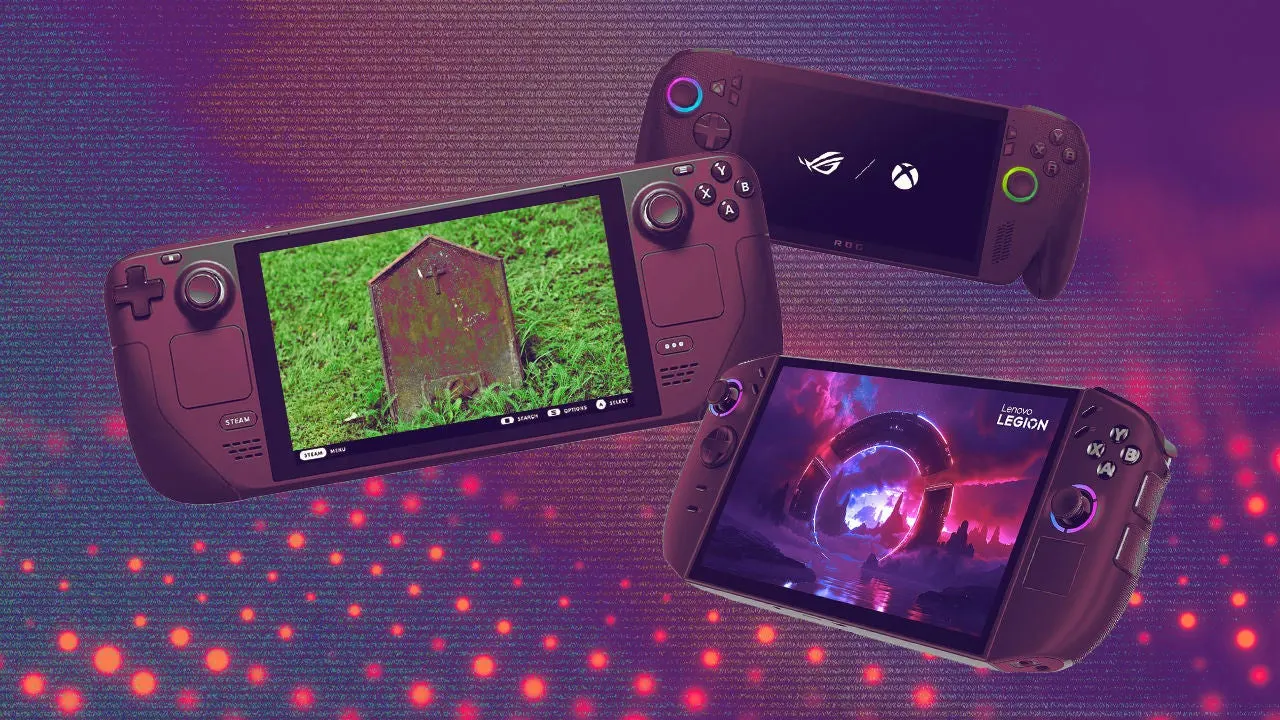
Handheld gaming PCs have improved rapidly in performance and usability, but their rising prices risk making them difficult to justify. The writer argues that a developing RAM shortage could worsen this problem, potentially slowing the market and making powerful portable devices less accessible.
The Steam Deck made it easier to play existing PC games on the move, although demanding titles often required low settings and delivered around 30–40 frames per second. Newer devices such as the Xbox Ally X and MSI Claw 8 EX AI+ offer stronger performance, but the latter costs $1,799; meanwhile, AMD’s Z2 Extreme brought only incremental gains, with the Legion Go 2 sometimes slower than the older ROG Ally X.
In short
- Rising memory costs could make handheld PCs unaffordable.
- New models offer better performance but steep prices.
- Recent AMD improvements have been relatively modest.
Steelman: both sides, in good faith
The strongest fair case each way — we don't pick a winner.
The case for
The convergence of rising component costs and potential RAM shortages threatens the value proposition of handheld gaming PCs just as the category is establishing itself. With premium devices now approaching £1,500, they risk becoming luxury items rather than mass-market alternatives to home consoles, restricting market growth to a narrow enthusiast base. Fewer customers mean developers invest less in optimisation, creating a vicious cycle that undermines long-term viability. The category needs broad accessibility to sustain its momentum and justify software support.
The case against
Rising prices reflect genuine technological advancement and necessary manufacturing costs, not market failure. Handheld gaming PCs are in an early adoption cycle where enthusiasts with higher purchasing power naturally drive innovation and competition. Component costs, including RAM, typically decline as markets mature and manufacturing scales—the original Steam Deck cost £399, and competitive pressure will ultimately restore affordability. Constraining prices through concern about accessibility would only slow the category's healthy development.
Explained simply
Handheld gaming PCs are portable computers designed to play games made for PC, with built-in screens and controls. Valve’s Steam Deck helped bring them to a wider audience by making it easier to take an existing PC game library on the move, though newer and more demanding games can require reduced graphics settings.
Other manufacturers, including Microsoft’s Xbox hardware partner and MSI, have since released more powerful models. Their higher prices can make the extra performance harder to justify, while newer processors have not always delivered a clear improvement over older devices. A shortage of memory chips, known as RAM, could add to costs and make these handhelds less affordable.
Entertainment Gaming Space Technology