World news and discussion on TalkFuse.
US election gains lift renewable shares as federal risks ease
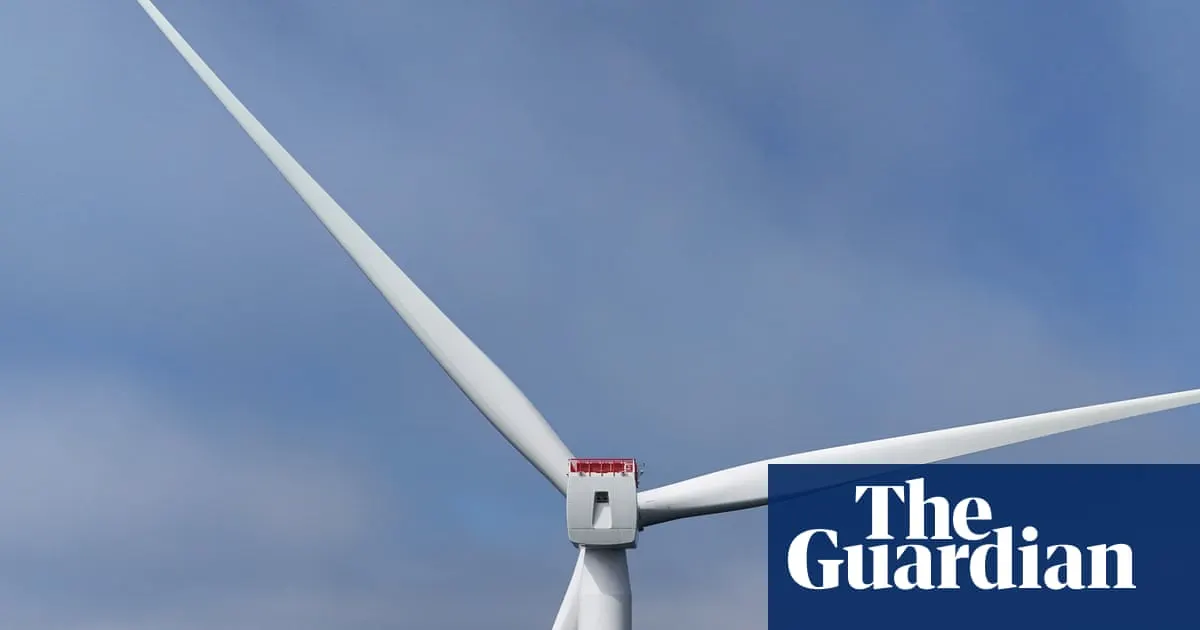
Democrats’ gains in the US midterm elections lifted renewable energy shares, as investors saw less chance of further federal interference in clean energy projects. The result could offer some relief to developers facing hostility from Donald Trump’s administration, including Ørsted, whose offshore wind projects have been targeted by stop-orders.
Ørsted’s market value rose almost 10% before closing nearly 5% higher; EDP Renewables and Engie gained more than 3%, while RWE added about 1%. Ørsted has lost more than 70% of its market value since Trump returned to the White House in 2025. US renewable projects have 388 gigawatts of capacity and directly employ more than 400,000 people, but generated about 30% of US electricity this year. Analysts said a Democratic-led Congress could help protect wind and solar tax credits and scrutinise offshore wind lease buybacks, though it is too early to call the result a turning point.
In short
- Midterm results buoyed renewable energy shares.
- Ørsted rose nearly 5% by the close.
- A Democratic Congress may protect clean energy incentives.
Steelman: both sides, in good faith
The strongest fair case each way — we don't pick a winner.
The case for
Democratic gains may reduce the risk of further federal obstacles to renewable projects and help preserve tax credits, giving developers and investors greater certainty. Supporters can also argue that protecting a sector with substantial planned capacity and hundreds of thousands of direct jobs supports investment and employment while expanding clean electricity.
The case against
Investors may be reading too much into an election result that does not by itself guarantee policy changes or prevent federal action, and analysts say it is too early to call this a turning point. A cautious approach could stress that renewable projects still face policy and commercial risks, and that protecting tax credits or leases should be weighed against the costs to taxpayers and competing energy priorities.
Explained simply
The United States holds midterm elections halfway through a president’s term. Voters choose members of Congress, which makes federal laws and can influence government spending and policy.
Renewable energy comes from sources that are naturally replenished, such as wind and sunlight. Companies including Ørsted, EDP Renewables, Engie and RWE build and operate projects that generate electricity from these sources.
US government decisions matter to these companies because tax credits can help make projects financially viable, while permits and leases allow them to be built. Wind and solar projects also contribute to electricity supply and provide jobs across the country.
Americas Business Climate Elections Politics Science Software Technology World
Read the full article at the source →
Originally published by The Guardian as “‘I never understood wind’: midterms spark hope for renewables after Trump’s hostility”.