Entertainment news and discussion on TalkFuse.
“I said, ‘Turn off my guitar.’ I wish I’d done it more often”: Steve Howe is amazed how well Yes’ Siberian Khatru turned out
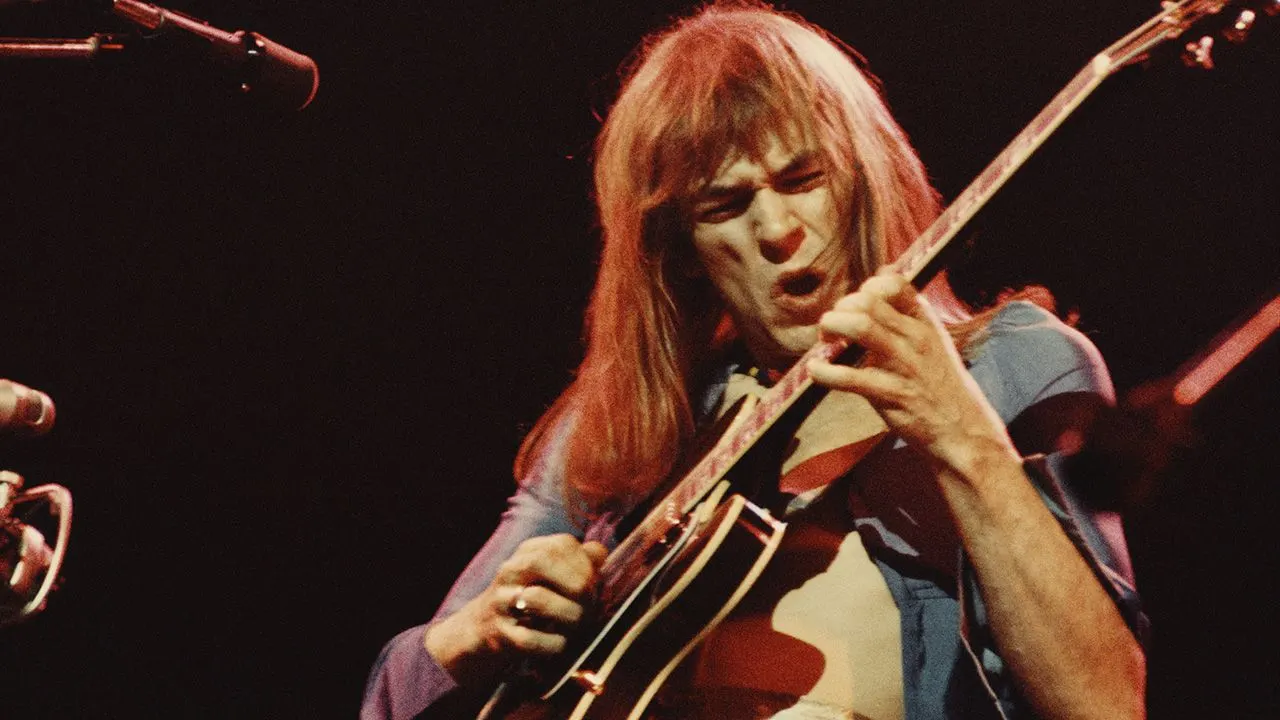
Steve Howe says Yes’s nine minute song ‘Siberian Khatru’ came together through a dense, collaborative process, with the band combining riffs and ideas into a tightly arranged track. The guitarist remains surprised that its many intricate parts worked so well, and sees it as an example of Yes learning how to reshape ideas and make room for one another.
The song appeared on the band’s 1972 album *Close to the Edge* and was built from contributions including a main riff credited by Howe to drummer Bill Bruford and a harpsichord solo by Rick Wakeman. Howe also recalls recording his second solo with his guitar turned off, playing around the theme he could hear instead; he later wished he had tried that approach more often.
In short
- Howe marvels that Yes’s complex ‘Siberian Khatru’ worked so well.
- Bill Bruford supplied the song’s main riff, Howe says.
- Howe recorded a guitar solo without hearing his instrument.
Explained simply
Yes are an English progressive rock band, known for long songs with changing sections and intricate instrumental parts. Their 1972 album Close to the Edge is one of their best-known records, and “Siberian Khatru” is its closing track.
The song brought together ideas from several band members, including guitarist Steve Howe, drummer Bill Bruford and keyboard player Rick Wakeman. Their work on it reflects how the group arranged and reshaped musical ideas together, giving each part room within a tightly structured song.
The track matters as an example of the elaborate sound Yes developed in the early 1970s. It also shows how the band’s collaborative approach could turn separate riffs and instrumental passages into a single, extended composition.