World news and discussion on TalkFuse.
“I sued their asses and won!” Gamer wins legal battle to get hacked Xbox account back after they were told to rebuy all their digital games
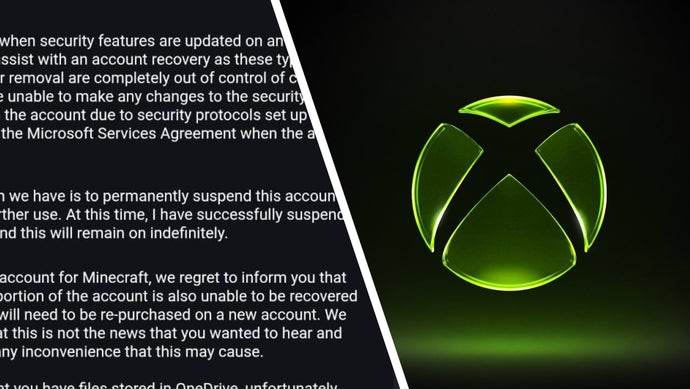
A gamer in Brazil has won a legal case against Microsoft after the company suspended their Xbox account, and access to all associated digital games, following a hack. The user, known on Reddit as Ordo_Liberal, said Microsoft's support team confirmed the account had been compromised but claimed it could not be recovered, leaving the player told to re-purchase their entire games library. A Brazilian court has now ordered Microsoft to restore the account and pay compensation, highlighting the tension between digital ownership and platform-holder policies.
According to the report, a Microsoft support agent said the fraud team had found "unauthorised access" and altered security details, but that permanently suspending the account was "the only option", despite the user having two-factor authentication enabled. Using a free public defender in Brazil's consumer-friendly legal system, the gamer took Microsoft to court; after roughly three months and a failed settlement stage in which Microsoft reportedly offered nothing and filed a 300-page defence, the court ordered Xbox to restore the account within 15 days and pay around $400 in "moral damages". The player said Microsoft appeared with 12 lawyers, and that daily fines apply for non-compliance, with a potential criminal case if the order is ignored. The article notes this comes as Microsoft plans to lay off thousands from its Xbox division and move four studios, including Double Fine and Ninja Theory, off its roster.
In short
- Brazilian court orders Microsoft to restore hacked Xbox account and pay $400.
- Player had been told to re-buy all their digital games.
- Microsoft brought 12 lawyers; daily fines apply for non-compliance.
Steelman: both sides, in good faith
The strongest fair case each way — we don't pick a winner.
The case for
Consumers purchase digital games with the expectation of genuine ownership. When an account is compromised through no fault of the owner—especially one with two-factor authentication enabled—the platform bears responsibility for recovery or compensation. Microsoft's outright refusal to restore access, despite confirming the breach and the user's ownership, transforms digital purchases into conditional rentals that vanish without recourse. A court rightly found this unjust, establishing that platforms must provide meaningful remedies rather than simply telling customers to repurchase.
The case against
Restoring severely compromised accounts poses legitimate technical and fraud risks. When attackers have altered security details, verifying safe restoration requires ensuring they retain no hidden access, linked fraudulent payments, or chargeback leverage. Microsoft's protocols prioritise preventing further fraud harm and protecting the broader platform, which serves all players' interests. Whilst individual cases deserve sympathy, platforms must maintain rigorous recovery standards; permitting restoration without full certainty of threat elimination creates systemic security risks that ultimately affect the entire user community.
Explained simply
When a gamer's Xbox account in Brazil was hacked, Microsoft's support team said the account could not be recovered and must be permanently closed. This left the player unable to access any of their digitally purchased games, with no option other than to buy them all again from scratch. The situation raised a question many gamers face: when you buy a digital game, what exactly do you own?
Rather than accept this outcome, the player took Microsoft to court using Brazil's consumer protection system. A Brazilian court has now ruled in the player's favour and ordered Microsoft to restore the account and provide compensation. This outcome highlights a growing tension between how video game companies manage access to their services and what consumers expect when they purchase digital content.
The case matters because it concerns a fundamental issue in modern gaming: whether buying a digital game amounts to a genuine purchase or merely a temporary licence that a company can revoke. As the industry shifts increasingly towards digital distribution, such disputes may become more common. Legal decisions in countries with strong consumer protections, like Brazil, can influence how companies worldwide approach digital ownership and account security.
Americas Cybersecurity Entertainment Gaming Technology