“I think it’s opportunism”: the 2004 backlash Clint Eastwood refused to sanction
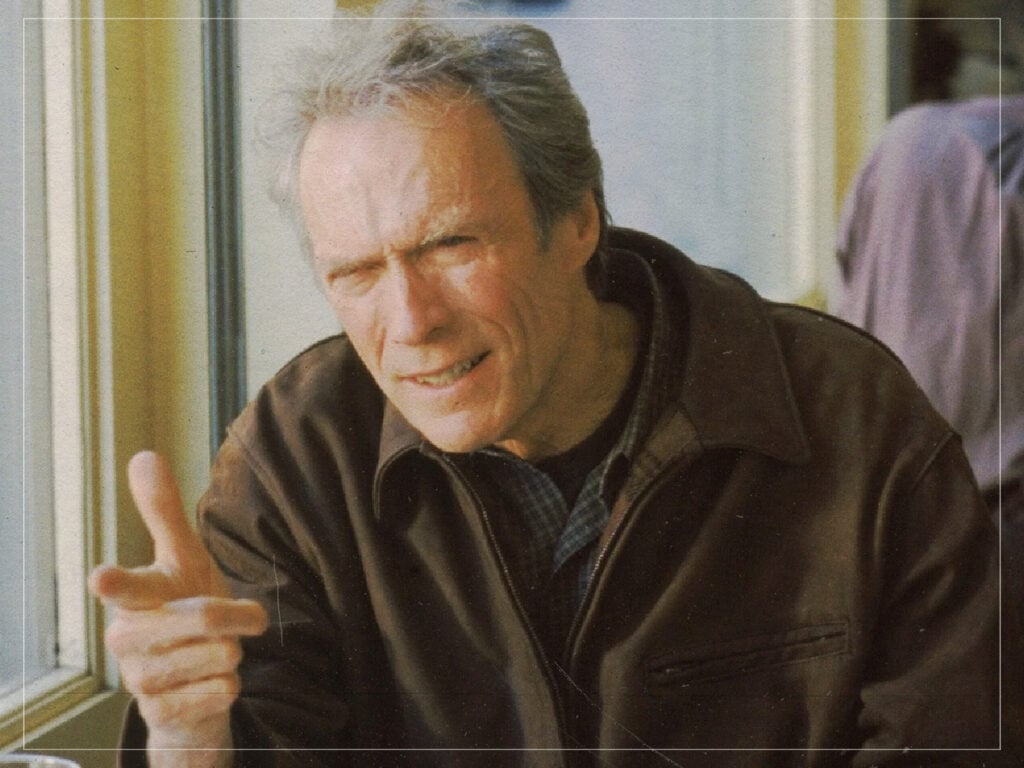
This piece looks back at how Clint Eastwood handled criticism over the ending of his 2004 boxing drama Million Dollar Baby, which some accused of advocating for assisted suicide. Eastwood rejected the suggestion, insisting he was simply telling a story rather than pushing a personal message, and drew a parallel with his Dirty Harry role to illustrate that playing a part does not equal endorsing its actions. The episode reflects a broader pattern in his career, where audiences and critics have often tried to pin down his politics from his films despite an inconsistent and varied body of work.
Million Dollar Baby, released at the end of 2004 and co-starring Hilary Swank, was widely praised and went on to win Eastwood his second Best Picture and Best Director Oscars, following Unforgiven, while Swank won her second Best Actress award and Morgan Freeman finally claimed Best Supporting Actor after three previous nominations. Addressing the backlash over the film's ending, Eastwood said, "I'm just telling a story… I don't advocate. I'm playing a part," dismissing claims of a hidden message as "opportunism." He also argued that the film's twist being spoiled beforehand would not harm audience reception, comparing it to Meet the Fockers and The Passion of the Christ, both released around the same time.
- Eastwood denied Million Dollar Baby promoted assisted suicide as a message
- He said he was "just telling a story," not advocating
- Film won Best Picture, Best Director; Swank and Freeman also won Oscars