Culture news and discussion on TalkFuse.
‘I was full of fears’: the story of a premature birth – in pictures
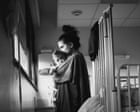
A photo essay by Brazilian photographer João Linneu documents the premature birth of his son Valentín in São Paulo in 2014-15, capturing the fear, isolation and uncertainty faced by him and his partner Fernanda Fajardo. The images, part of a project titled JJ VFF VV, trace the couple's journey from a high-risk pregnancy through emergency delivery, weeks of separation while Valentín was cared for in a neonatal intensive care unit, and the eventual return home. The series offers a rare intimate record of an experience many parents endure largely unseen, highlighting the emotional toll of restrictive hospital rules during a medical crisis.
Fernanda, then 36 and pregnant for the first time, began bleeding early on and was told to stay in bed for the rest of the pregnancy. Valentín was born by caesarean section weighing just 1.32kg, and strict hospital policy – including a ban on photography in the NICU – meant the couple had to take pictures secretly and were often kept apart from their son and each other for hours or days at a time. The photographs also show Valentín's repeated apnoea episodes, Fernanda's difficulties expressing milk while separated from him, and João's account of photographing lightning storms from home during lonely nights while his partner remained in hospital.
In short
- Photographer documents son Valentín's premature birth and NICU stay in pictures
- Couple faced isolation, secrecy and fear under strict hospital rules
- Baby born via C-section at 1.32kg, suffered repeated breathing episodes
Steelman: both sides, in good faith
The strongest fair case each way — we don't pick a winner.
The case for
Parents facing neonatal crises need emotional connection and psychological support to process traumatic experiences, yet overly restrictive policies that separate families and prohibit documentation can intensify distress and hinder critical bonding during vulnerable developmental periods. Hospital rules should be reconsidered to balance genuine medical needs with parental wellbeing, particularly when strict prohibitions lack clear clinical justification and when alternative approaches could accommodate both safety and family unity.
The case against
Neonatal intensive care units maintain strict protocols to protect extremely fragile patients from infection, preserve privacy for all families, and minimise environmental disruptions during critical recovery phases. Photography bans safeguard patient dignity and confidentiality whilst reinforcing sterile practices essential for infants with compromised immune systems. These standards reflect evidence-based medicine designed to optimise survival and outcomes for the sickest patients, where medical necessity must sometimes take precedence over parental preferences.
Explained simply
Premature birth is when a baby is born before 37 weeks of pregnancy, and some babies need specialist care in a neonatal intensive care unit (NICU). Their parents may face long periods apart from their newborn while doctors monitor breathing, feeding and other health needs.
Brazilian photographer João Linneu and his partner, Fernanda Fajardo, went through this after their first baby, Valentín, was born early in São Paulo in 2014. The photographs follow the family from a high-risk pregnancy through Valentín’s time in hospital and their return home.
Hospital rules limited when the couple could see their son and barred photography in the NICU, so they took some pictures secretly. The project gives a personal record of the uncertainty and separation that can accompany a premature birth.