Culture news and discussion on TalkFuse.
“I would fight it tooth and nail”: The Sims artist would challenge any mandate to reduce diversity after EA Saudi buyout
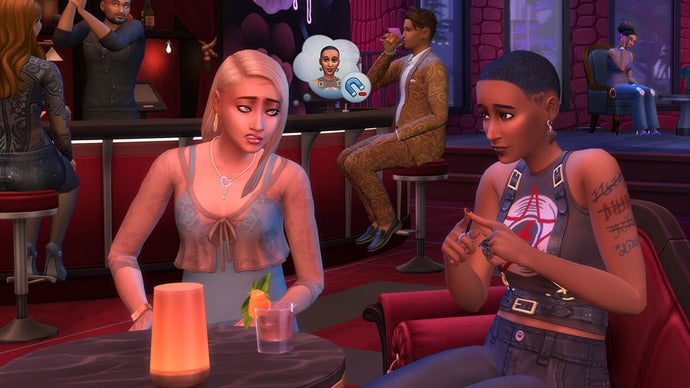
Following the announced $56 billion acquisition of EA by Saudi Arabia's Public Investment Fund, Silver Lake, and Kushner's Affinity Partners—financed partly through $20 billion in debt—concerns have emerged about whether new ownership might reshape creative direction at studios known for diverse representation. The Sims, built since 2000 on supporting varied gender identities, sexualities, and abilities, drew particular scrutiny, prompting several major creators to leave the EA Creator Network in the wake of the buyout announcement.
Asked whether she feared mandates to reduce diversity or restrict LGBTQIA+ support, senior character artist Jess Hyland said she had heard nothing of the sort and would resist any such directive firmly. Former producer Mark Darrah had previously cautioned that studios with established progressive messaging might face pressure to realign under ownership seeking cultural fit, though he acknowledged the reputational risks of forcing such changes. EA publicly reaffirmed its values and commitment to The Sims as an inclusive platform, yet concerns persist among staff about layoffs tied to acquisition debt and potential shifts in company culture.
In short
- Senior Sims artist reports no diversity mandates but pledges strong opposition to any push to reduce LGBTQIA+ support
- Industry figures worry Saudi ownership could pressure studios to realign creative values with investor interests
- EA restates commitment to inclusive gameplay as creators depart and workforce concerns mount over acquisition debt
Steelman: both sides, in good faith
The strongest fair case each way — we don't pick a winner.
The case for
Concerns about potential pressure to reduce diversity are warranted given Saudi Arabia's laws restricting LGBTQIA+ rights and the company's track record on human rights. Major acquisitions typically involve investor expectations about cultural alignment and return on investment; the substantial debt financing suggests direct influence over strategic decisions. Even without explicit mandates, historical precedent shows ownership changes frequently lead to creative shifts, and implicit pressure—rooted in investor values or market risk aversion—could emerge to remove or downplay content seen as controversial in Saudi Arabia or alienating to conservative markets.
The case against
The business case for reducing diversity in The Sims would be self-defeating, as the franchise's success fundamentally depends on its inclusive player base and design philosophy that drives revenue and engagement. EA's existing leadership remains in place with public reaffirmations of inclusive values, and no evidence of actual mandates or pressure has emerged. The shared ownership structure with Silver Lake and Affinity Partners, combined with the enormous reputational and commercial risks of forcing content restrictions, suggests investors would preserve rather than undermine the successful formula. Historical precedent shows many acquisitions raise similar concerns without resulting in creative changes.
Explained simply
Electronic Arts is one of the world's largest video game publishers and is being acquired by a consortium led by Saudi Arabia's Public Investment Fund in a $56 billion deal. This takeover will place control of the company's games and creative direction in new hands.
The Sims, one of EA's flagship titles, has been built around diverse characters and representation of different identities and sexualities since its launch in 2000. Some staff and content creators have expressed concern that new ownership might pressure studios to change this approach, with a few creators already stepping back from their association with the game.
EA has publicly reaffirmed its commitment to keeping The Sims an inclusive platform, and the game's senior staff have indicated they would resist any mandate to reduce diversity. However, concerns persist among employees about potential job losses tied to the acquisition's financing and whether company culture might shift under the new ownership.
Art Culture Entertainment Middle East Music