‘Ibuku’ Review: Dreamlike Indonesian Drama Is a Compelling Tale of Parental Redemption
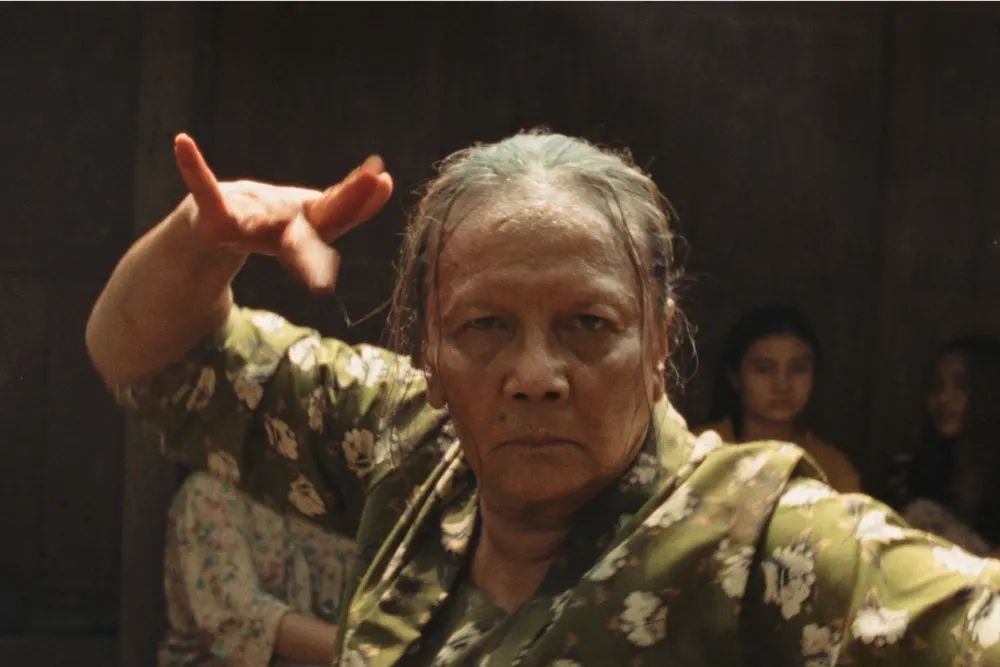
"Ibuku" is Eddie Cahyono's fourth feature film, exploring the struggles of migrant workers and their families through the story of Sumiati, a widow trying to raise money to visit her daughter Sri in a Saudi prison. Sri has been sentenced to death for killing her abusive employer and would-be rapist, and the film examines the complex, fraught relationship between mother and daughter shaped by parental regret, economic desperation and patriarchal exploitation.
The film premiered in competition at the Busan Film Festival and is largely seen through the eyes of Sumiati (Christine Hakim), a former Javanese dancer. Cahyono's intimate handheld cinematography dwells on Hakim's sensitive performance as Sumiati gathers money to visit her daughter, with the village and its spiritual traditions serving as a backdrop to her internal reckoning with regret and culpability in the patriarchal systems that led to Sri's arranged marriage.
- Indonesian film explores mother's quest to visit daughter sentenced to death in Saudi prison.
- Examines how patriarchal systems and economic desperation affect migrant worker families.
- Director's intimate cinematography focuses on Christine Hakim's performance of maternal regret.
New here? Start with this
"Ibuku" is a new Indonesian film that examines the lives of migrant workers and their families struggling against poverty and limited opportunities. The film, which premiered at the prestigious Busan Film Festival, is directed by Eddie Cahyono and offers an intimate portrait of a widow facing severe hardship.
The story centres on Sumiati, a widowed former dancer, who is attempting to raise money to visit her daughter Sri in prison in Saudi Arabia. Sri has been sentenced to death for killing her employer, a man she says was abusive and attempted to assault her, and the film explores the complex relationship between mother and daughter, examining how economic desperation and traditional social systems shaped the events leading to this tragedy.
The film is significant because it addresses the real challenges faced by millions of Indonesian women who work abroad as domestic workers, often in precarious situations with limited legal protections. Through Sumiati's story, it investigates themes of parental responsibility and guilt within systems where poverty and gender restrict the choices available to families.