World news and discussion on TalkFuse.
ICE Is Running One of the Largest Anti-Left Surveillance Operations in US History
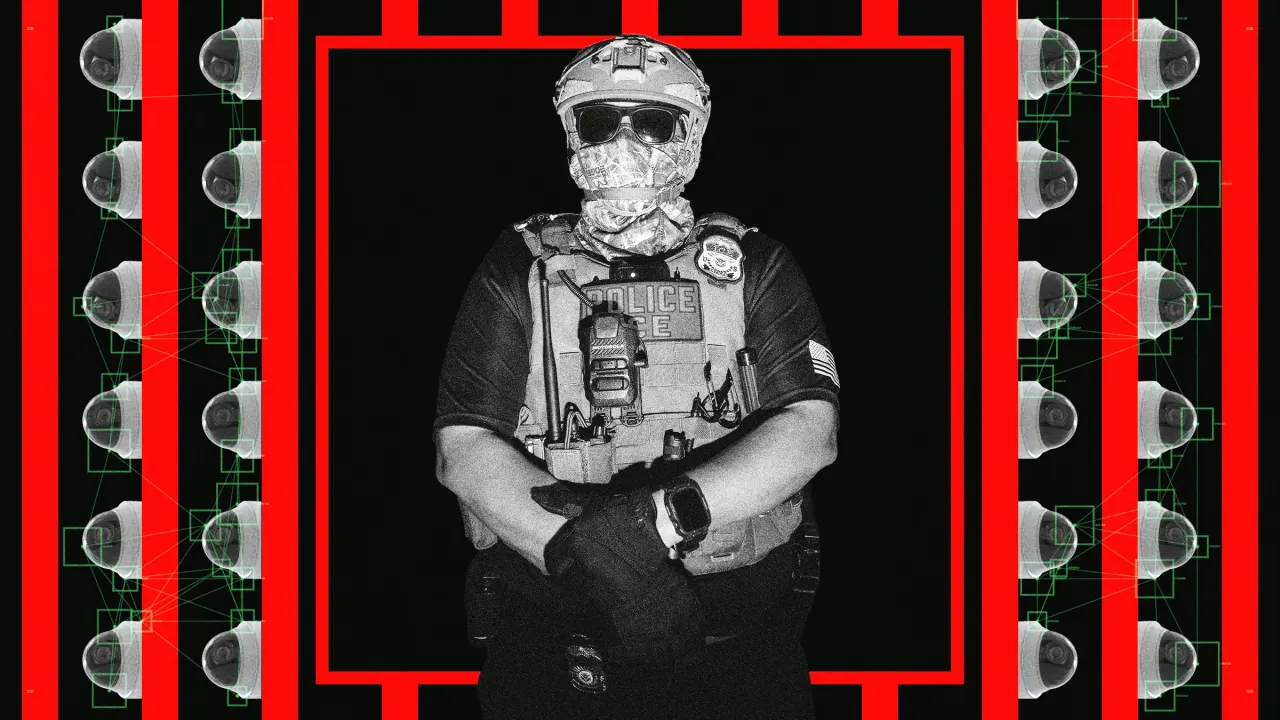
Court filings in the prosecution of 15 Minnesota activists describe a broad Department of Homeland Security surveillance operation targeting people who opposed the Trump administration’s immigration enforcement. The investigation used extensive intelligence-gathering powers against community organising, prompting comparisons from defence lawyers and former officials with the FBI’s past surveillance of left-wing and civil rights movements.
The records concern investigations known as Project Whipple Shield and Operation Puppet Master, authorised under a presidential memorandum directing action against groups critical of the administration. About 120 Homeland Security Investigations agents, including 11 undercover operatives, were assigned to the Minnesota case; filings say investigators used Reaper drones and tools usually reserved for serious criminal probes. Activists say they monitored federal agents through encrypted messaging groups and a volunteer dispatch system, while prosecutors allege a conspiracy to obstruct immigration enforcement.
In short
- Filings point to extensive surveillance of Minnesota immigration enforcement opponents.
- Around 120 federal agents were assigned to the case.
- Prosecutors and defendants sharply disagree over activists’ conduct.
Steelman: both sides, in good faith
The strongest fair case each way — we don't pick a winner.
The case for
A broad investigation may be justified if prosecutors have evidence that activists coordinated to obstruct law enforcement or put agents at risk. Supporters of the operation could argue that undercover work and advanced surveillance tools were needed to establish who was involved and assess potential threats, provided the methods were lawful and proportionate.
The case against
The scale and political context of the operation raise concerns that intensive federal surveillance was directed at people for opposing government policy and organising community monitoring. Critics could argue that using extensive intelligence powers against political activity risks chilling free expression and association, particularly given the history of surveillance of left-wing and civil rights movements.
Explained simply
Immigration and Customs Enforcement, or ICE, enforces US immigration laws, while Homeland Security Investigations (HSI), a division of ICE, investigates crimes including smuggling and document fraud. In Minnesota, local activists organised to observe federal immigration operations and alert communities, using encrypted messaging groups and a volunteer dispatch system.
US prosecutors say some activists conspired to obstruct immigration enforcement; the activists describe their work as monitoring government activity. The dispute raises questions about how far federal agencies can use surveillance powers to investigate political organising, and how to balance law enforcement with rights to protest and communicate.
Americas Business Markets World