ICE resumes nationwide traffic stops under new policy requiring body cameras
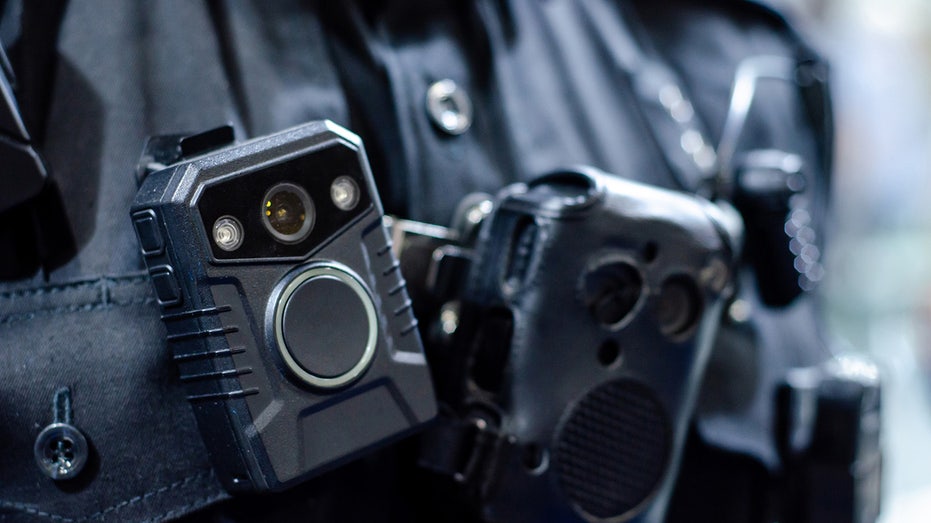
US Immigration and Customs Enforcement officers have been authorised to resume traffic stops nationwide under new guidance requiring at least one officer involved to wear a body camera, according to Fox News sources. The policy links the continuation of enforcement activity to expanded recording requirements, potentially increasing oversight of encounters during immigration operations.
White House press secretary Karoline Leavitt said vehicle stops were continuing and that more than half of ICE field offices had body cameras, with a nationwide rollout expected within 60 days. The guidance was issued on Thursday and applies across the country, although the article does not specify how many stops will occur or provide details of the earlier policy position.
In short
- ICE traffic stops may resume if an officer wears a body camera.
- Body cameras are being rolled out nationwide within 60 days.
- The policy aims to pair enforcement with recorded oversight.
Steelman: both sides, in good faith
The strongest fair case each way — we don't pick a winner.
The case for
Supporters can argue that resuming traffic stops allows ICE to carry out immigration enforcement while the body-camera requirement adds a record of encounters and may help establish what happened when conduct is disputed. A nationwide rollout could extend that oversight as equipment becomes available, while leaving officers able to act in the meantime.
The case against
Critics can argue that restarting stops before body cameras are widely deployed weakens the safeguard precisely when it is most needed, since many encounters may initially go unrecorded. They may also question whether recording alone provides meaningful accountability without clear rules for camera use, access to footage and consequences for misconduct.
Explained simply
Immigration and Customs Enforcement (ICE) is a United States federal agency responsible for enforcing immigration law. As part of this work, ICE officers conduct traffic stops to verify whether individuals are lawfully present in the country.
Vehicle traffic stops had been restricted under previous policy, but new guidance issued this week permits them to resume nationwide. The reintroduction comes with a requirement that at least one officer in each stop must wear a body camera, a recording device that documents interactions between officers and the public.
This policy shift represents a move towards greater recording and oversight of immigration enforcement operations. Body cameras create a record of what occurs during traffic stops, providing documentation of how officers conduct these encounters and interact with individuals they stop. The White House has indicated that cameras are already available to more than half of ICE field offices, with plans to expand access nationwide within weeks.