World news and discussion on TalkFuse.
ICJ to deliver highly anticipated ruling on Rohingya genocide question
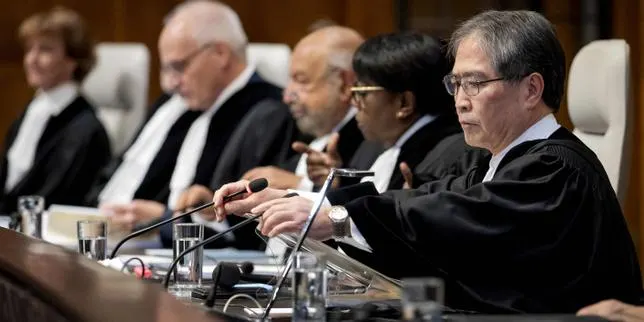
The International Court of Justice is due to rule on whether Myanmar committed genocide against the Rohingya Muslim minority, in a case brought by The Gambia. The decision matters because it could clarify how courts determine genocidal intent and what evidence is enough to establish it, shaping future cases under the Genocide Convention.
The case began in 2019, with The Gambia acting on behalf of the 57-member Organisation of Islamic Cooperation. Rohingya refugees fled to Bangladesh after Myanmar military attacks in 2017 that killed at least 10,000 people and destroyed dozens of villages, according to the United Nations. The ruling is also expected to inform debate around South Africa’s separate case against Israel, while the ICJ has faced public pressure and calls for sanctions against judges over its decisions.
In short
- The ICJ is set to rule on Myanmar’s treatment of the Rohingya.
- The case could clarify how genocidal intent is proved.
- The decision may shape future cases under the Genocide Convention.
Steelman: both sides, in good faith
The strongest fair case each way — we don't pick a winner.
The case for
A finding of genocide could recognise the scale and nature of the harm suffered by the Rohingya and affirm that states can be held accountable under the Genocide Convention. The Gambia’s case may also clarify how courts assess intent and evidence, strengthening the convention’s application in future cases.
The case against
A genocide finding requires proof of specific intent to destroy a protected group, in whole or in part, and should depend on the evidence and legal standard rather than the severity of the harm alone. A cautious ruling that finds the threshold unmet, or distinguishes other serious crimes, could protect the court’s credibility and avoid stretching the convention beyond its meaning.
Explained simply
The International Court of Justice (ICJ) is the United Nations’ court for disputes between countries. The Genocide Convention is an international treaty that requires countries to prevent and punish genocide, which involves trying to destroy a national, ethnic, racial or religious group.
The Gambia brought the case in 2019 on behalf of the Organisation of Islamic Cooperation, a group of 57 countries. It concerns the Rohingya, a Muslim minority from Myanmar; after military attacks in 2017, many fled to Bangladesh, and the UN reported that at least 10,000 people were killed and dozens of villages destroyed.
The case raises questions about how a court can establish genocidal intent and what evidence is sufficient under the treaty. Its reasoning may be considered in other cases brought under the Genocide Convention, including South Africa’s separate case against Israel.