New releases, music videos and album news — indie, rap, rock and pop. Always covering Ren, Chris Webby, Sam Tompkins, bbno$, CHINCHILLA, Muse, Yungblud and more.
“If AOR fans want a long-lost cult-classic, Night Of The Crime most certainly fits the bill.” The story of Icon’s stunning melodic metal masterpiece
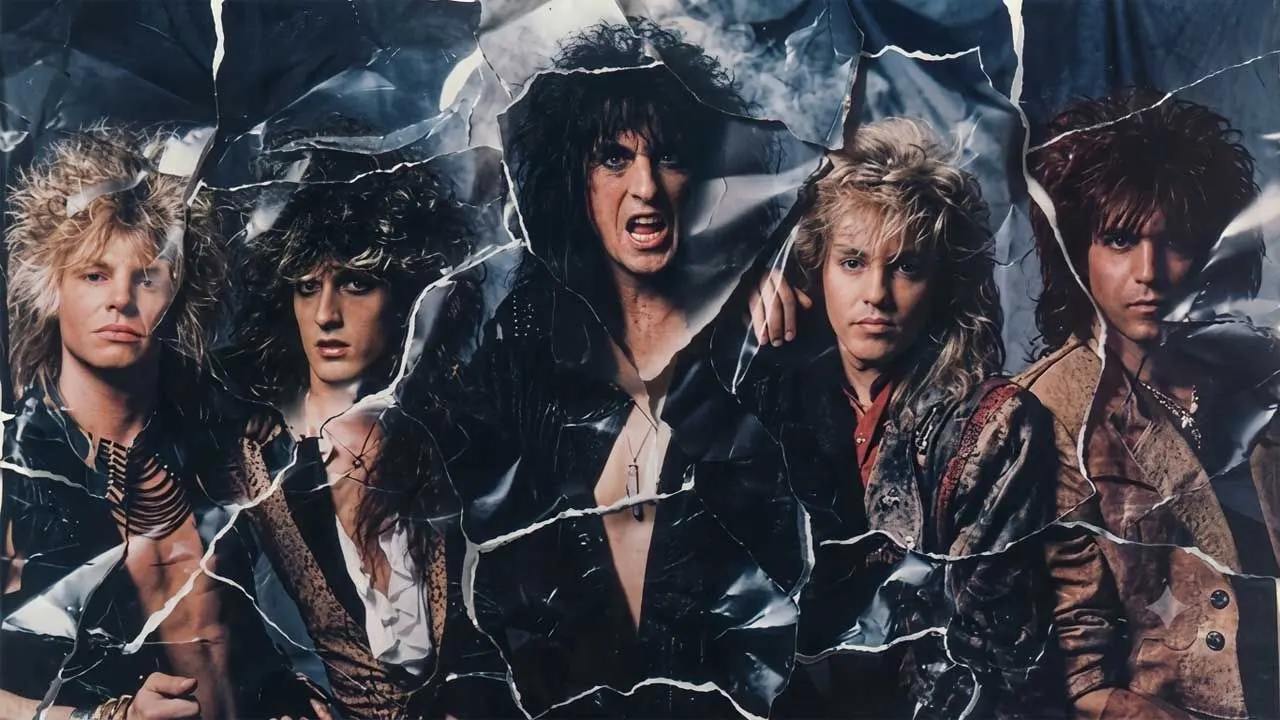
This feature from Louder revisits Night Of The Crime, the cult melodic metal album by American band Icon, exploring how the Phoenix, Arizona group forged a distinctive identity within the glam and hard rock scene of the 1980s. The piece frames the record as a long-overlooked gem for fans of AOR (album-oriented rock) and melodic metal, arguing it deserves rediscovery despite the band never achieving the mainstream success of their contemporaries.
The article highlights Icon's unusual origins, noting that few rock bands emerged from Phoenix's desert backdrop, which lent the group an exotic, outsider quality compared to the more familiar Sunset Strip scene in Los Angeles. Their look and sound drew comparisons to Mötley Crüe, described as a more idiosyncratic, almost outsider-art take on glam metal, complete with striking visual choices such as garish fishnet stockings for their debut album photoshoot. The band were signed to a major label, Capitol Records, reflecting the industry's appetite for flashy, guitar-driven rock acts during that era.
In short
- Louder revisits Icon's cult melodic metal album Night Of The Crime.
- Phoenix, Arizona band brought an outsider take on glam metal.
- Compared to Mötley Crüe, they were signed to Capitol Records.
Steelman: both sides, in good faith
The strongest fair case each way — we don't pick a winner.
The case for
Artistic merit exists independent of commercial success, and Icon created a genuinely distinctive take on melodic metal from an outsider perspective that enriches understanding of the era's musical landscape. Many significant works have been overlooked due to timing, marketing, or scene dynamics rather than genuine artistic limitation, and championing their rediscovery expands the cultural conversation. Critical engagement with overlooked albums serves real value when the work demonstrates substantive creativity and compositional ambition worthy of serious listening.
The case against
Commercial reception and cultural indifference often reflect legitimate audience judgment about artistic quality rather than mere misfortune. Declaring an obscure album a masterpiece requires detailed musical evidence and analysis, not assertion based on rarity or exotic origins. Critical integrity demands demonstrating why something merits canonical attention beyond its novelty factor; the burden should rest on showing genuine compositional excellence rather than assuming obscurity indicates hidden genius.
Explained simply
Icon were an American rock band from Phoenix, Arizona, who came up during the 1980s glam and hard rock boom. Their music mixed melodic hard rock with metal, while their visual style set them apart from bands associated with Los Angeles’s Sunset Strip.
The band signed to major label Capitol Records, but never reached the mainstream success of some better-known acts of the era. Their album Night Of The Crime has since become a cult favourite among listeners of album-oriented rock (AOR) and melodic metal, styles built around polished songs and prominent guitar work.