World news and discussion on TalkFuse.
If Deadpool wants to be a true Marvel superhero, is it time he grew up and stopped joking around?
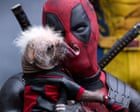
The article considers how Deadpool could be incorporated into Marvel’s main cinematic universe after succeeding by mocking it from the outside. With Ryan Reynolds reportedly developing another sequel and rumours linking the character to Avengers: Doomsday, the challenge is whether the irreverent antihero can become a meaningful team player without losing the humour that defines him.
Deadpool & Wolverine earned $1.3bn worldwide in 2024, making it that year’s second-highest-grossing film and the highest-grossing R-rated film ever. Its approach kept Deadpool separate from the MCU proper, using Fox-era mutant characters and jokes about Marvel’s own continuity; the new Doomsday trailer features Gambit, Professor X, Magneto and Mystique, suggesting that world may be drawn further into Marvel’s multiverse storyline.
In short
- Deadpool’s MCU future may require balancing satire with genuine superhero stakes.
- Deadpool & Wolverine was a $1.3bn box-office success.
- Fox-era mutants appear likely to feature in Avengers: Doomsday.
Steelman: both sides, in good faith
The strongest fair case each way — we don't pick a winner.
The case for
Integration into the MCU's interconnected narrative requires Deadpool to balance humour with genuine emotional stakes, allowing the character to develop whilst participating meaningfully in ensemble storytelling. The franchise's success rests on audiences investing in consequential plot developments, and constant irreverence risks undercutting the dramatic weight of team-ups with established heroes. A maturing Deadpool could preserve his wit whilst demonstrating the character depth that elevates storytelling from spectacle to meaningful drama.
The case against
Deadpool's distinctive appeal and record-breaking commercial success stem precisely from irreverent humour and meta-commentary that distinguish him from conventional superhero fare. Conforming the character to MCU conventions would strip away his unique identity and risk alienating the fanbase whose loyalty generated $1.3 billion in global revenue. Tonally diverse characters function effectively within ensemble narratives without abandoning their core voice, and authenticity to character matters more than forced homogenisation.
Explained simply
Deadpool is a wise-cracking antihero character played by Ryan Reynolds, known for irreverent humour and breaking the fourth wall by addressing audiences directly. Unlike other superheroes, Deadpool became popular partly through mocking superhero conventions and the Marvel Cinematic Universe itself.
For years, Deadpool existed in Fox's separate film universe, allowing him to maintain this irreverent tone without being tied to Marvel's main storyline. This distance from Marvel's broader productions has been central to what audiences enjoy about the character.
As Deadpool potentially moves towards integration with Marvel's wider cinematic universe, it highlights a unique creative tension. A superhero franchise built on mocking Marvel's storytelling and conventions would now need to function as part of the very universe it has been designed to satirise.
Americas Culture Entertainment Film World