“If FromSoftware released the full Dark Souls design document, no one would be debating the lore”: Creator of one of the highest-rated new roguelikes on Steam says hands-off storytelling was key
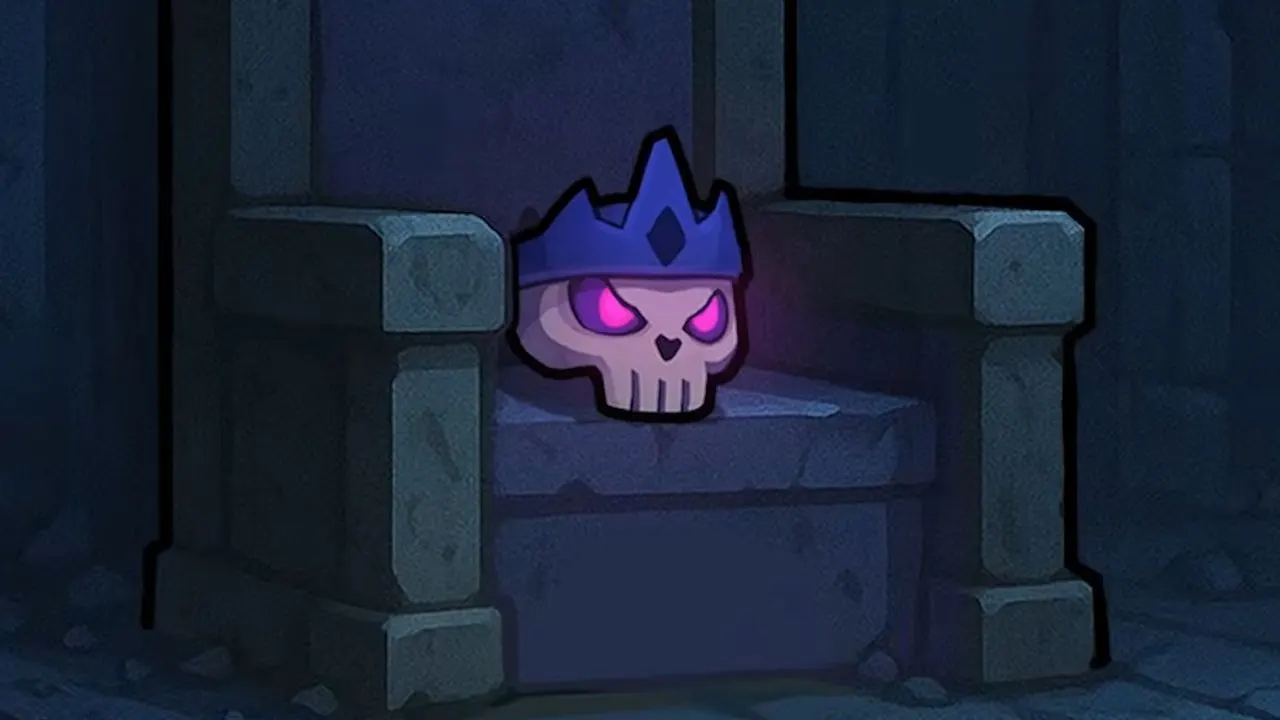
A solo developer's recently released action-strategy roguelike has achieved significant critical success on Steam by deliberately minimizing narrative exposition. The game uses environmental storytelling and sparse dialogue to guide players through seven chapters and multiple endings, allowing the gameplay mechanics themselves to carry the narrative weight rather than relying on cutscenes or direct exposition.
The developer argues this hands-off approach generates greater player investment than conventional storytelling, comparing it to FromSoftware's Dark Souls series. By presenting the story as a framework for players to interpret and piece together, the game encourages active engagement with narrative elements rather than passive consumption, an approach the developer views as more effective for creating compelling interactive narratives.
In short
- Solo developer YuWave's roguelike game Demon Lord: Just a Block earns 96% positive Steam reviews by using minimal, player-discovered narrative design
- Developer argues ambiguous storytelling (like Dark Souls) drives engagement better than explicit narrative exposition
- Gameplay-first approach proves effective for creating meaningful stories through environmental cues and player exploration
Steelman: both sides, in good faith
The strongest fair case each way — we don't pick a winner.
The case for
Minimalist narrative design respects player agency and intelligence, allowing audiences to construct meaning through discovery rather than passive consumption. By distributing story information across the environment and gameplay, this approach rewards attentive players with deeper engagement, encourages multiple playthroughs for fuller understanding, and creates the kind of mysterious framework that generates lasting community discussion and interpretation. This method treats narrative as integrated into the interactive medium rather than something imposed upon it.
The case against
Conventional narrative exposition serves important storytelling functions that sparse design cannot fully replace: it permits nuanced character development, emotional beats that resonate through directed moments, and accessibility for players with limited time or those who value clarity. Not all narratives benefit from ambiguity; some stories require specificity to achieve their intended impact. A hands-off approach risks frustrating rather than engaging players who prefer straightforward storytelling, and assumes that decoding narrative is universally preferable to receiving it—a preference rather than an objective truth about effective design.
Explained simply
Roguelikes are games in which players repeat challenging runs, often facing changing situations and learning from each attempt. In many story-led games, cutscenes and dialogue explain events directly; environmental storytelling instead uses places, objects and brief conversations to suggest what has happened.
FromSoftware’s Dark Souls games are known for leaving much of their fictional history unexplained, prompting players to interpret clues and debate their meaning. The approach described here gives players a similar role in making sense of the story, while the game’s mechanics and multiple endings provide structure. For game makers, the question is how much explanation helps players follow a story and how much space for interpretation keeps them engaged.
Entertainment Gaming Software Technology