Technology news and discussion on TalkFuse.
Cyber-attacks on European supermarket freezers highlight connected equipment risks
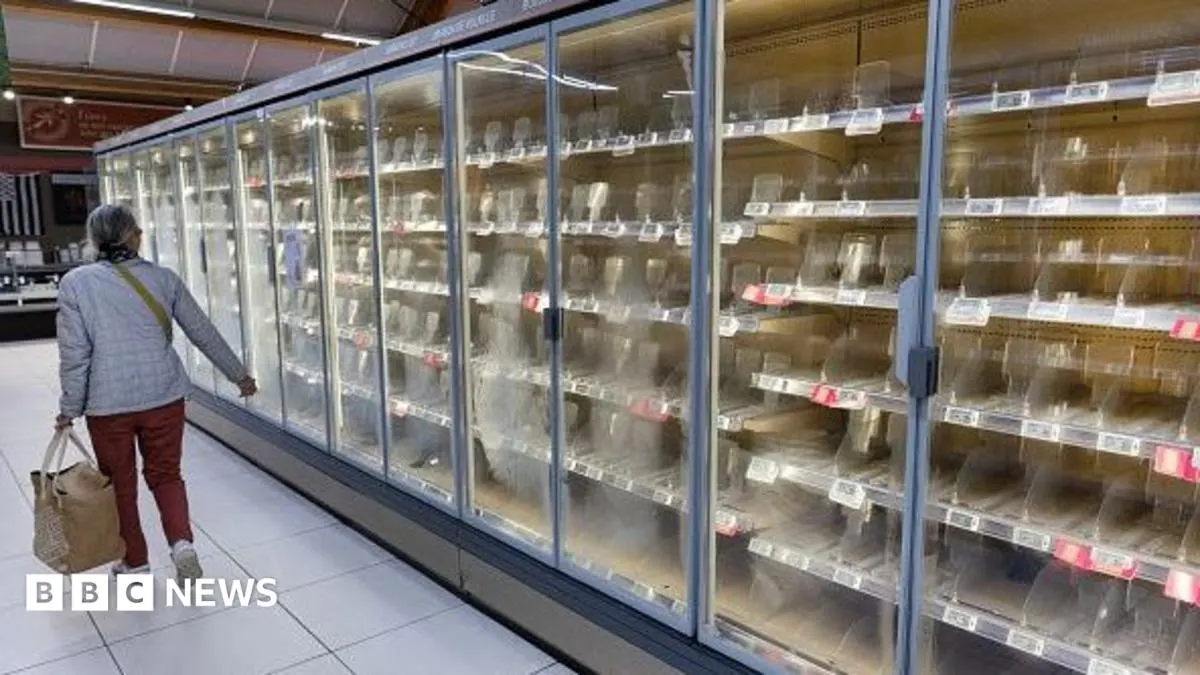
A suspected cyber-attack affecting supermarket fridges and freezers across Europe has drawn attention to the risks of internet-connected equipment. If attackers gain control of refrigeration settings, they could damage food stocks as well as disrupt computer systems, although the incidents do not show that household appliances are being targeted.
Connected devices can be exposed through weak passwords or software flaws, but being accessible online does not mean a device can easily be hacked. UK researchers found more than 800 refrigeration and building-control interfaces linked to British retailers reachable over the public internet; since April 2024, UK rules have required certain consumer smart devices to meet basic security standards. The National Cyber Security Centre says it is investigating with partners and is not aware of any UK impact, while experts urge manufacturers and retailers to take clearer responsibility for security.
In short
- Supermarket refrigeration systems were affected by suspected cyber-attacks in Europe.
- More than 800 UK retail interfaces are accessible online.
- Experts say device security and ownership need greater attention.
Steelman: both sides, in good faith
The strongest fair case each way — we don't pick a winner.
The case for
The incidents show that connected refrigeration can create risks beyond lost data: compromised controls could spoil food and interrupt essential retail operations. Requiring stronger baseline security and clearer responsibility from manufacturers and retailers could reduce preventable weaknesses and protect businesses and the public.
The case against
Internet access alone does not mean equipment is readily hackable, and the reported incidents do not establish that household appliances were targeted or that UK retailers were affected. Broad new requirements could impose costs on manufacturers and retailers, so measures should be proportionate to demonstrated risks and avoid treating every connected device as an imminent threat.
Explained simply
Supermarket fridges and freezers can be linked to computer networks so staff can monitor temperatures and manage equipment remotely. This can help stores run their refrigeration systems, but it also means the equipment depends on secure software and network access.
A device may be exposed online because of weak passwords or software flaws, though that does not mean it can be easily taken over. If refrigeration controls were compromised, food could spoil and store computer systems could also be disrupted.
The UK has rules requiring basic security standards for certain consumer smart devices, while retailers and equipment makers also have roles in protecting systems used in shops. The National Cyber Security Centre investigates cyber threats with partner organisations.
Cybersecurity Europe Technology World
Read the full article at the source →
Originally published by BBC World as “If hackers can take control of a supermarket freezer, how vulnerable is other tech?”.