World news and discussion on TalkFuse.
‘If we exhibited all the Balkan jokes, we wouldn’t have opened’: a trip to Slovenia’s Bullshit Museum
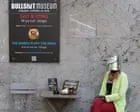
Ljubljana’s new Bullshit Museum explores the irreverent, often antagonistic humour associated with the former Yugoslavia, using jokes, mannequins and AI-generated images to reflect a shared cultural inheritance. Its founder, Borut Kokelj, argues that the region’s “no filter” humour offers a way of coping with insecurity, unemployment and unresolved tensions, making the museum both comic and culturally reflective.
Opened in May in Ljubljana’s Old Town, the five-room museum takes its name and tone from “yebiga”, a phrase roughly meaning “fuck it” or “screw it”. Although marketed as a museum of Balkan humour, it focuses chiefly on Slovenia, Croatia, Serbia, Montenegro, Bosnia and Herzegovina and Kosovo, whose identities diverged sharply after Yugoslavia’s collapse and the wars of the early 1990s. Displays address language, religion and conflict, including jokes about Cyrillic and Latin scripts, while acknowledging that exhibiting every regional joke would make the project impossible.
In short
- Ljubljana museum examines former Yugoslav humour and identity.
- “Yebiga” captures its defiant, unfiltered tone.
- Exhibits touch on language, war and regional division.
Steelman: both sides, in good faith
The strongest fair case each way — we don't pick a winner.
The case for
Documenting and preserving how communities used humour to process identity, displacement and trauma is culturally valuable and allows Balkans residents to own their own narratives rather than have them defined by outsiders. Antagonistic humour is authentic cultural expression reflecting genuine historical experience; a museum devoted to this heritage supports regional autonomy and deepens understanding of how communities actually coped with adversity.
The case against
A region still healing from recent ethnic conflict may be better served focusing on reconciliation and shared humanity rather than elevating antagonistic humour targeting religious and linguistic identity to museum status. Even well-intentioned, enshrining stereotypical humour risks normalising the divisions that fuelled historical violence and could hinder efforts to build trust between communities through narratives emphasising commonality.
Explained simply
Slovenia was one of six republics in socialist Yugoslavia, a country that broke apart in the early 1990s. Its former republics and Kosovo developed distinct national identities, and the break-up included wars whose effects remain part of public life. Ljubljana is Slovenia’s capital.
The museum’s focus is humour from Slovenia and neighbouring parts of the former Yugoslavia, including Croatia, Serbia, Montenegro, Bosnia and Herzegovina, and Kosovo. The region’s languages, religions and histories overlap, but also mark differences; even the use of Latin or Cyrillic script can carry cultural meaning.
Founder Borut Kokelj presents irreverent jokes as part of how people respond to insecurity, unemployment and unresolved tensions. The subject matters because humour can reflect both a shared cultural past and the divisions that followed Yugoslavia’s collapse.