‘If we worry about erosion, we will never get any sleep’
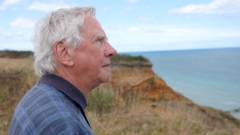
Residents of Trimingham, a village on the Norfolk coast, are adapting to the ongoing threat of coastal erosion rather than trying to fight it, after decades of cliff loss have already made dozens of properties uninhabitable. The story highlights how communities along vulnerable stretches of the English coastline are having to plan for the eventual loss of homes and buildings while trying to preserve village life for as long as possible.
Derrick Bowler, who moved to the village in 2011, was originally told his home, built in 1780, had around 100 years before it would be lost to the sea; that estimate has since been revised to about 20 years by North Norfolk District Council. The most recent home in the village was demolished in May 2024. Another resident, Terry Brown, who has lived there for 17 years, helped build a new village hall after the old one was given just 20 years before erosion would claim it, and he has suggested building social housing for those who eventually lose their homes to help secure the village's future.
- Trimingham, Norfolk faces worsening coastal erosion threatening homes
- Resident's home erosion timeline cut from 100 to 20 years
- Villagers rebuilt the hall and propose social housing for displaced residents
New here? Start with this
Trimingham is a small village on the North Norfolk coast that has been steadily losing land to the sea for decades, as the soft cliffs there are worn away by waves and weather. This process, known as coastal erosion, has already forced the demolition of dozens of homes and other buildings in the area, and it continues to eat away at what remains of the village.
The scale of the problem varies from place to place along England's coastline, but in Trimingham the timescales involved have shortened noticeably. Estimates for how long individual buildings have left before they are lost can change as erosion rates are reassessed, sometimes dropping from what was once thought to be a century to just a couple of decades. Local authorities, such as North Norfolk District Council, are responsible for monitoring these risks and advising residents.
This matters because it raises difficult questions about how communities can plan for a future in which parts of their village will disappear, including what happens to housing, shared buildings and local life as the coastline retreats. It also reflects a wider challenge facing other vulnerable coastal areas in England, where residents and councils must decide whether to defend the land, adapt to its loss, or some combination of both.