Culture news and discussion on TalkFuse.
If you want to own a College Basketball team, UNLV is up for sale in wild, but smart, $10 million proposition
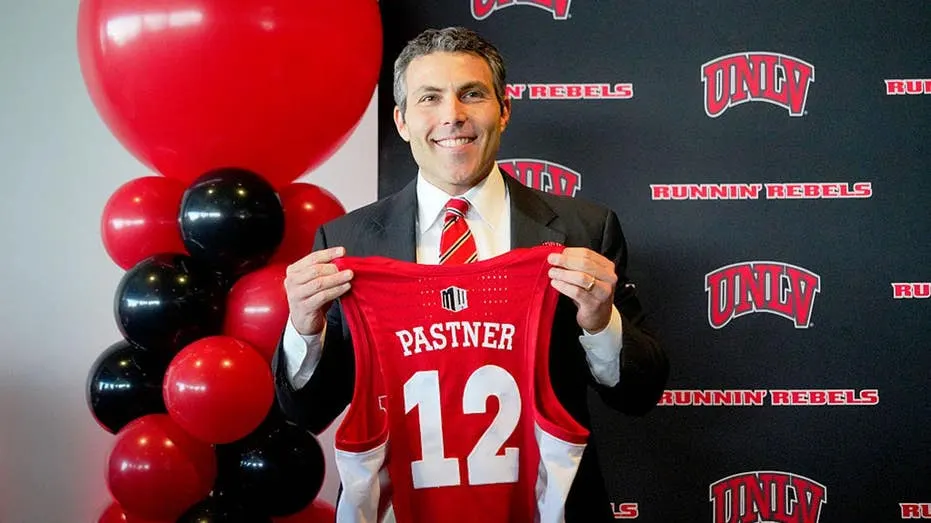
UNLV's men's basketball programme is reportedly being put up for sale, with an outside group said to be seeking around $10 million to take a controlling stake in the team. The move reflects how dramatically college sports have been reshaped by the shift to athlete pay via NIL deals and revenue-sharing, with private ownership stakes in university teams now being floated as a serious financial proposition rather than a novelty.
The report frames the sale as a shrewd opportunity given the changing economics of college basketball, though specifics on the buyer, structure and what a "stake" in a public university's team would actually entail remain limited. It comes amid wider turbulence in college sports governance, including a Senate committee marking up NIL legislation and figures such as Nick Saban warning that the current system prioritises money over player development.
In short
- UNLV's basketball team is reportedly for sale for about $10 million.
- Sale reflects NIL and revenue-sharing reshaping college sports economics.
- Comes as Congress moves to regulate chaotic college sports NIL rules.
Steelman: both sides, in good faith
The strongest fair case each way — we don't pick a winner.
The case for
College sports economics have fundamentally shifted with NIL deals and revenue-sharing, and universities cannot compete without new capital sources. Private investment offers a pragmatic solution that levels the playing field, ensuring programmes like UNLV can afford competitive salaries and facilities whilst maintaining their competitive status, rather than allowing wealthy institutions to dominate by default.
The case against
Privatising stakes in a public university's athletic programme represents an inappropriate commodification of student-athletes and university assets, subordinating educational mission to profit motive. Once universities begin selling off sports programmes to investors, it establishes a troubling precedent that weakens institutional autonomy and will deepen inequality between well-resourced programmes and others, fundamentally altering what college athletics ought to represent.
Explained simply
College sports in America have been transformed by NIL arrangements, which allow student athletes to earn money through endorsements and commercial use of their name and image. This shift has created substantial new financial obligations for universities attempting to compete for top talent.
As these costs have escalated, universities have begun exploring innovative financing structures, including bringing in outside investors to share the financial burden of running competitive athletic programmes. Such arrangements represent a significant departure from the traditional model where universities alone bore the expenses of college sports.
This financial restructuring is taking place amid broader questions about the future direction of college sports. Legislators, university administrators, and sports figures are currently engaged in debates about how best to structure athlete compensation and maintain the system's long-term viability.
Art Basketball Culture Sport World