World news and discussion on TalkFuse.
If you’re not at the table, you’re on the menu. For Trump, Xi and Putin this week, it was Ukraine and Iran up for grabs. But what happens if it’s Australia’s turn? PETER VAN ONSELEN
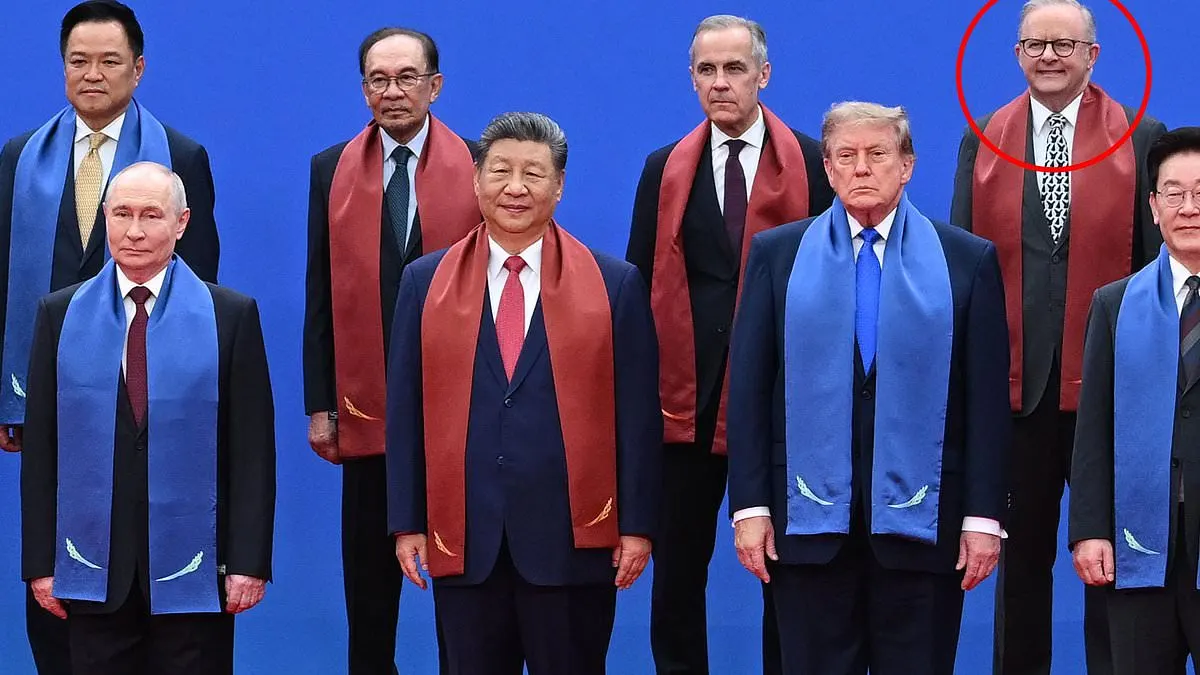
At this week’s APEC summit, Xi Jinping stood between Donald Trump and Vladimir Putin, highlighting China’s growing influence over conflicts involving Ukraine and Iran. The article argues that both leaders need China’s cooperation, giving Xi leverage while allowing Beijing to keep doing business with Moscow and Tehran.
Trump waived threatened tariffs of up to 100 per cent on goods from major buyers of Russian oil, allowing Chinese refiners to continue buying crude; he cited the risk of higher US petrol prices. China’s trade supplies Russia with oil revenue and industrial goods, while Beijing also values Iranian oil and Gulf shipping routes. The article says China could press Tehran to keep the Strait of Hormuz open without backing US war aims, and asks what this growing reliance on Xi could mean for Australia.
In short
- Xi has gained leverage as Trump seeks help over Ukraine and Iran.
- Trump waived tariffs of up to 100 per cent on Chinese goods.
- China can influence Russia’s supplies and Iran’s access to oil routes.
Steelman: both sides, in good faith
The strongest fair case each way — we don't pick a winner.
The case for
China’s role as a major trading partner for Russia and Iran gives Xi practical leverage that could help limit escalation, preserve energy flows and create openings for diplomacy. Trump’s tariff waiver can be defended as a pragmatic choice to avoid higher fuel costs and disruption, while engaging Beijing may be necessary when its cooperation affects the conflicts. For Australia, the episode is a reason to assess how dependence on a powerful regional actor could affect its security and room for independent action.
The case against
Relying on Beijing to manage conflicts risks granting China greater influence over outcomes while leaving its support for Moscow and Tehran’s economies intact. A tariff waiver may reduce immediate costs, but it could also weaken pressure on Russia and signal that economic disruption can constrain US policy. Australia could therefore see the growing reliance as a strategic vulnerability, especially if China’s interests diverge from its own or its partners’.
Explained simply
The Asia-Pacific Economic Cooperation (APEC) summit brings together leaders from economies around the Pacific, including China, the United States and Australia. China is a major buyer of Russian oil and an important trading partner for both Russia and Iran, giving it economic ties that matter during conflicts involving those countries.
Donald Trump leads the United States, Xi Jinping leads China and Vladimir Putin leads Russia. Australia is a US ally and a major trading partner of China, so shifts in the balance between Washington and Beijing can affect its security and economic relationships.
Iran’s position near the Strait of Hormuz matters because much of the world’s oil travels through this narrow sea passage. China’s dealings with Russia and Iran, and its influence with them, can therefore have consequences for energy supplies and for countries such as Australia.
Europe Geopolitics Middle East Politics World