New releases, music videos and album news — indie, rap, rock and pop. Always covering Ren, Chris Webby, Sam Tompkins, bbno$, CHINCHILLA, Muse, Yungblud and more.
Ignorance and undermining: the re-emergence of Marilyn Manson and the different rationales behind it
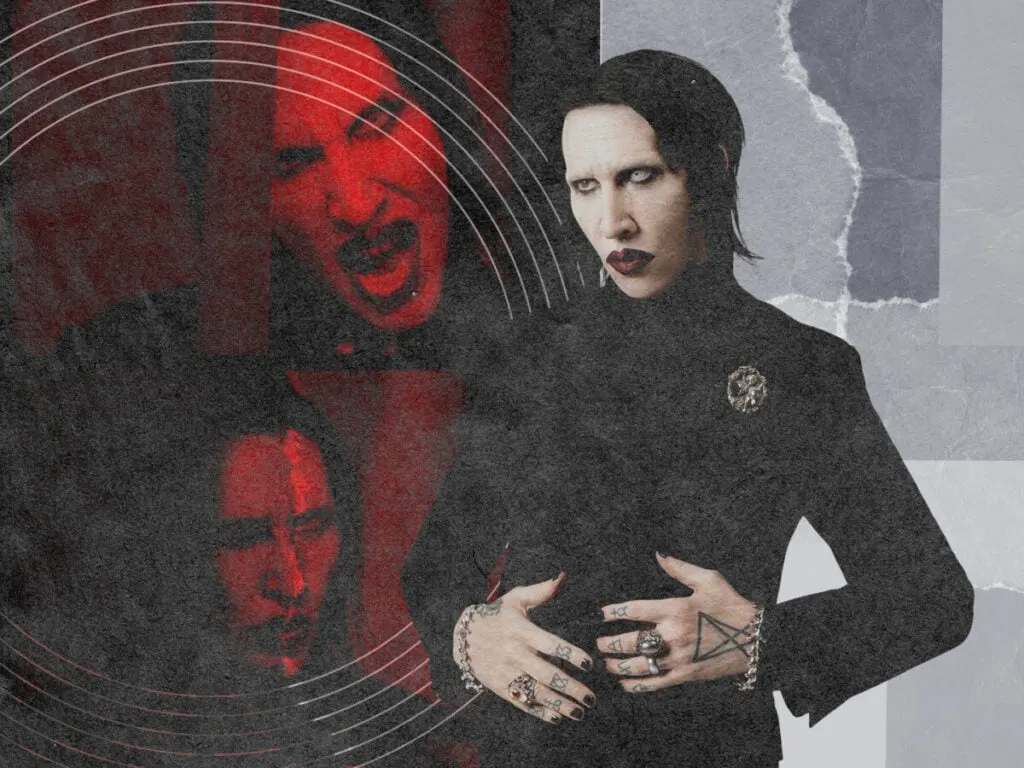
Slipknot guitarist Jim Root said he was unaware of the allegations against Marilyn Manson when fans challenged the band’s decision to book him as a support act on some 2027 tour dates. The article argues that Root’s explanation shifts responsibility to others and illustrates how refusing to engage with allegations can help controversial public figures return to prominent stages.
Manson has faced sexual misconduct allegations from multiple women, including claims made publicly by his former fiancée Evan Rachel Wood; he has not been convicted of a crime. He is due to face a civil trial in 2027 over a lawsuit brought by former assistant Ashley Walters. Root said he leaves touring logistics to others and avoids following current music or trends, while Smashing Pumpkins frontman Billy Corgan has publicly defended remaining friends with Manson, citing his Christian beliefs and saying he had looked into the matter.
In short
- Jim Root said he did not know about the allegations against Manson.
- Manson is booked for some Slipknot tour dates in 2027.
- The article contrasts Root’s explanation with Billy Corgan’s defence of their friendship.
Steelman: both sides, in good faith
The strongest fair case each way — we don't pick a winner.
The case for
Those who support continuing to book Marilyn Manson stress that he has not been convicted of any crime and that the allegations, though serious, remain untested in court, with a civil trial still pending. They argue that promoters, bands and fans should not act as judge and jury, and that blacklisting artists on unproven claims sets a troubling precedent. Some, like Billy Corgan, also point to personal convictions about forgiveness and reconciliation, and to having made their own inquiries before deciding to stay in contact. On this view, waiting for the legal process to conclude is the fairest course.
The case against
Those who object to the bookings argue that the allegations come from multiple women, and that taking them seriously means not giving a prominent platform to someone facing them until they are resolved. They contend that a claimed lack of awareness is not a neutral position when the accusations have been widely reported, and that organisers have a responsibility to make reasonable inquiries before lending their stages to an artist. Critics also warn that returning accused figures to major venues signals that such allegations carry little cost, which can discourage people who have been harmed from coming forward. From this perspective, the protection of survivors and the credibility of the industry's standards should weigh heavily in such decisions.