Buckinghamshire councillors reject Ashley Green traveller site and order closure
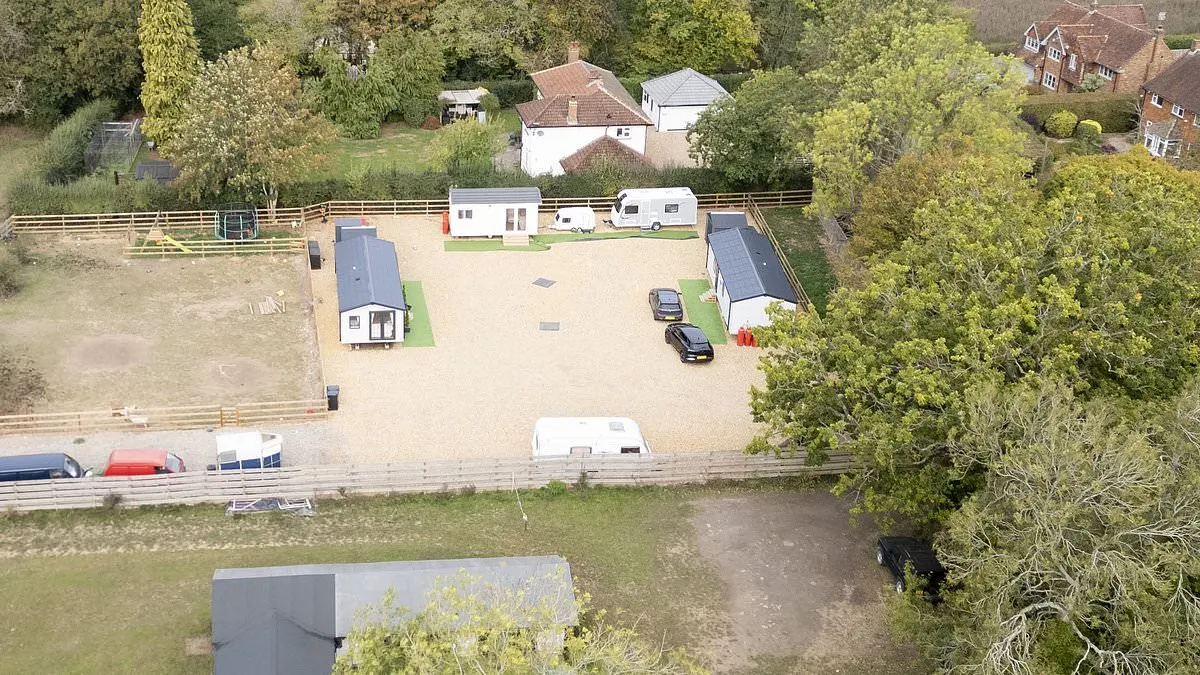
Buckinghamshire Council has refused retrospective planning permission for an unauthorised traveller site in Ashley Green and ordered it to close. The decision followed work starting in defiance of a stop notice and High Court injunction, while residents raised concerns about intimidation and the impact of approving the development.
Work began at 9.30pm on 2 April on green belt land, where the applicant had sought permission for two pitches, each with a mobile home, touring caravan and day room. Planning officers recommended approval, citing a shortage of traveller pitches and changes to national policy, but councillors said the unauthorised work should weigh heavily against the application. A similar proposal was rejected in 2024; Conservative politicians are now calling for a ban on retrospective permission for unauthorised traveller sites.
- Council refuses retrospective permission for Ashley Green site.
- Work continued despite a stop notice and High Court injunction.
- Conservatives call for a ban on retrospective approval.
New here? Start with this
Gypsy, Roma and Traveller families have distinct cultural traditions, and planning rules apply to their homes and sites as they do to other development. A pitch is a plot for a household, often with space for a mobile home and caravan. Councils must consider both local planning policies and national rules when deciding whether a site can stay.
The proposed site is on Green Belt land near Ashley Green, where development is generally restricted. Buckinghamshire Council is the local authority responsible for planning decisions, and its councillors weigh planning advice alongside the effects on nearby residents and the wider area. The case also raises a broader question about how councils should treat applications made after building work has already started.
Both sides, in good faith
The strongest fair case each way — we don't pick a winner.
The case for
The case for refusing permission is that development on protected green belt land should follow planning rules, and work carried out despite a stop notice and court injunction undermines the authority of those rules. Councillors could reasonably consider the previous refusal and residents’ concerns when deciding whether permission would harm the area or set an unfair precedent.
The case against
The case for approval is that planning decisions should assess the proposed site on its merits, rather than use retrospective permission chiefly to punish breaches; the applicant’s conduct can be addressed through enforcement. Officers cited a shortage of traveller pitches and changes in national policy, so refusal may leave a recognised need unmet and risk treating traveller accommodation less favourably than other development.
Read the full article at the source →
Originally published by Daily Mail as “Illegal travellers camp built on the sly is told to pack up and leave Buckinghamshire village site”.