World news and discussion on TalkFuse.
Illicit gold is a global security threat the US must address
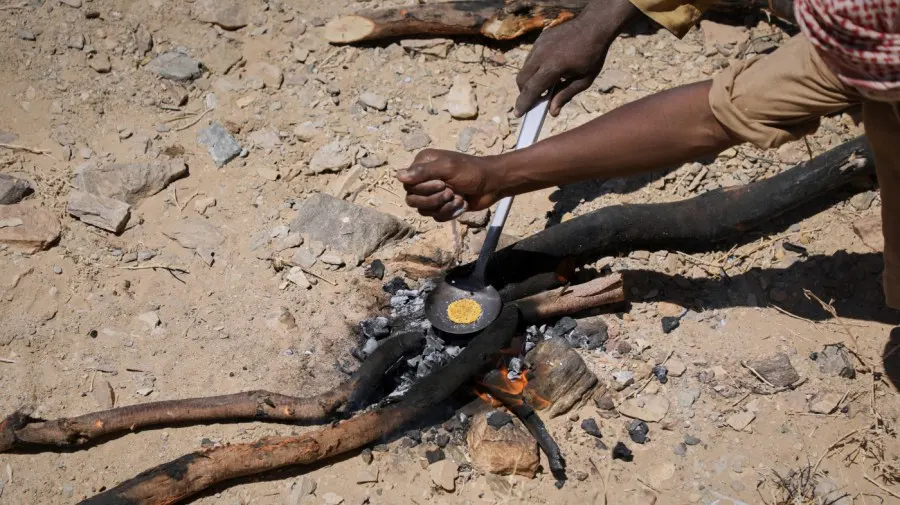
The article argues that illicit gold mining and trading should be treated as a global security issue rather than simply a criminal or environmental problem. It says illicit supply chains can finance armed groups, terrorism and organised crime, while undermining governments and exposing vulnerable mining communities to exploitation.
It calls for the United States to help disrupt these networks through stronger international co-operation, better tracing of gold and tougher action against money laundering. The wider context is a rapidly expanding artisanal and small-scale mining sector: it produces an estimated fifth of global gold, while criminal groups exploit weak oversight and high prices to mix illegally sourced metal into legitimate markets.
In short
- Illicit gold can finance conflict, terrorism and organised crime.
- Weak supply-chain controls allow illegal gold into formal markets.
- The article urges stronger US-led international enforcement.
Steelman: both sides, in good faith
The strongest fair case each way — we don't pick a winner.
The case for
Treating illicit gold as a security threat could help governments address how mining revenues sustain armed groups, organised crime and corruption across borders. Advocates argue that US-backed co-operation, traceability and anti-money-laundering measures could make it harder to conceal illicit gold in legitimate markets and protect vulnerable communities.
The case against
A security-first approach may encourage broad enforcement measures that burden artisanal miners and local economies, even where people depend on small-scale mining for their livelihoods. Critics could argue that criminal and environmental laws, better local oversight and support for legal mining address the harms more directly, while international tracing rules risk being costly or unevenly enforced.
Explained simply
Illicit gold refers to precious metal that has been mined or traded illegally and then mixed into legitimate global supply chains. This happens when criminal groups, armed organisations or terrorists exploit weak oversight in certain regions to source gold outside legal frameworks and sell it as legitimate metal.
The scale of the problem is substantial because artisanal and small-scale mining operations now produce roughly one-fifth of the world's gold supply. Criminal networks take advantage of loose regulations and high global prices to profit from illegally sourced metal, making it difficult for buyers to distinguish between legitimate and illegally mined gold.
The security concern stems from how illicit gold finances organised crime, armed groups and terrorism whilst destabilising governments that lack strong enforcement. It also leaves vulnerable mining communities exposed to exploitation, which is why some argue the issue requires coordinated international action rather than being treated purely as a criminal or environmental matter.
Americas Environment Politics Science World