Politics news and discussion on TalkFuse.
Expert says Albanese’s summit posture risks diminishing Australia’s global standing
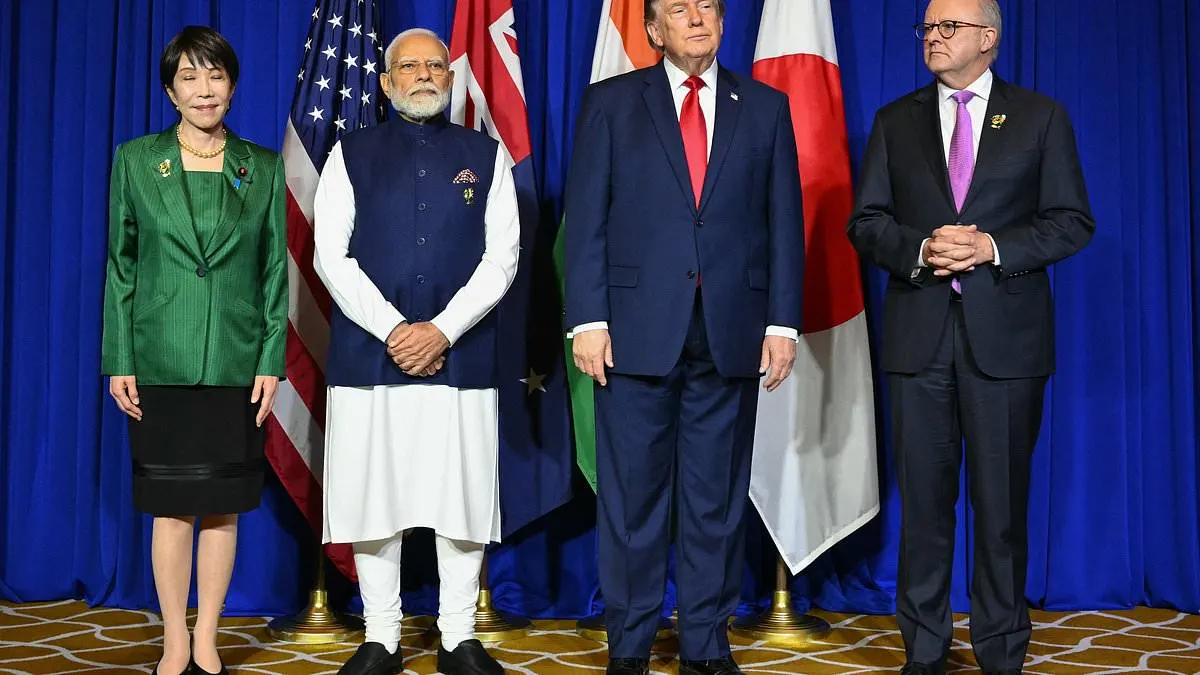
Anthony Albanese’s posture at the Quad summit in Manila has drawn criticism from body language expert Dr Louise Mahler, who said his gestures could make him appear less confident and professional alongside other world leaders. She argued that this could weaken Australia’s presence internationally, though these are her interpretations of his non-verbal behaviour.
Mahler focused on Albanese holding his hands in front of his body, saying the stance looked defensive compared with the more open postures of Donald Trump, Narendra Modi and Sanae Takaichi. She said similar gestures had appeared at other summits and might reflect stress or a lack of preparation. The meeting was the first Quad leaders’ summit in two years; its participants announced plans for maritime security cooperation, joint military exercises and critical-minerals supply agreements.
In short
- An expert criticised Albanese’s posture at the Quad summit.
- She said his gestures could affect perceptions of Australia.
- Quad leaders announced security and minerals cooperation.
Steelman: both sides, in good faith
The strongest fair case each way — we don't pick a winner.
The case for
A leader’s public presence can shape how other governments and audiences perceive their country, so recurring closed or tense gestures may create an impression of uncertainty even when that is not intended. If Albanese’s posture appeared less assured beside his counterparts, critics can reasonably argue that careful preparation and more open body language would help project confidence and strengthen Australia’s visibility.
The case against
Body-language readings are subjective, and a hand position alone cannot reliably show stress, poor preparation or a leader’s effectiveness. Australia’s standing is better judged by its diplomacy and the outcomes it secures; at this summit, leaders agreed on cooperation in maritime security, military exercises and critical-minerals supply.
Explained simply
The Quad is a partnership between Australia, the United States, India and Japan. Its leaders meet to discuss regional issues, including security and trade, in the Indo-Pacific.
Anthony Albanese is Australia’s prime minister. The other leaders named are Donald Trump of the United States, Narendra Modi of India and Sanae Takaichi of Japan. Their countries have announced Quad cooperation on maritime security, military exercises and critical minerals—materials used in products such as batteries and electronics.
How leaders appear at international meetings can affect perceptions of confidence and authority, but judgments about body language are interpretations rather than objective measures. Australia’s standing also depends on its policies, relationships and role in the partnership.
Read the full article at the source →
Originally published by Daily Mail as “I’m a body language expert: Albanese looks like an ‘amateur’ beside global leaders – and undermines Australia’s weight on the world stage”.